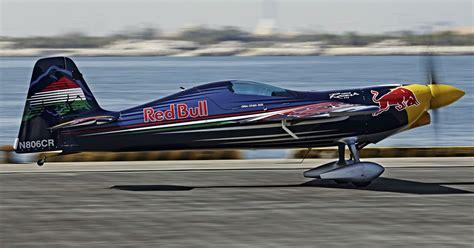
Air racing is one of the most exhilarating and visually spectacular motorsports in existence. At its core, it is a contest of speed, precision, and engineering brilliance, where aircraft compete on fixed courses to determine supremacy either by fastest time, point-based systems, or target-time accuracy. This dynamic aviation discipline not only showcases pilot skill but also reflects the evolution of flight technology over more than a century.
Origins of Air Racing: From Pioneers to Prestigious Prizes
The story of air racing begins in early 20th-century France, a time when aviation was in its infancy and every flight was a bold act of experimentation. On 23 May 1909, the Prix de Lagatinerie marked the first organized race for heavier-than-air craft. French aviator Léon Delagrange emerged as the victor, flying the furthest over a 1.2 km lap course—an achievement that ignited widespread fascination with airborne competition.
Just months later, the Grande Semaine d’Aviation de la Champagne, held from 22–29 August 1909 in Reims, dramatically elevated the sport’s profile. Here, American aviation pioneer Glenn Curtiss defeated French hero Louis Blériot to win the inaugural Gordon Bennett Trophy, a historic moment that set the tone for international rivalry in the skies.
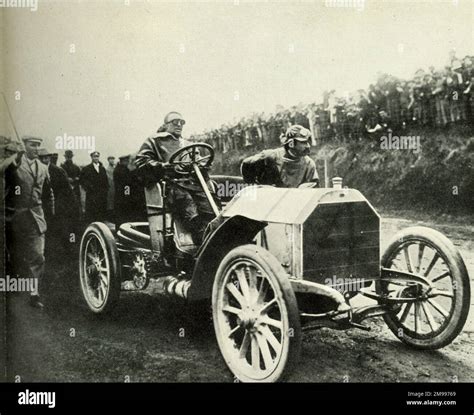
In January 1910, the Los Angeles International Air Meet at Dominguez Field brought air racing to American soil. Organized by visionaries A. Roy Knabenshue and Charles Willard, this meet also introduced a young Jimmy Doolittle to aviation—a name that would later become synonymous with American air racing excellence.
Golden Age of Racing: Speed, Innovation, and Tragedy
Between 1910 and World War I, air racing took hold across Europe. Competitions like the 1911 Circuit of Europe, Daily Mail Circuit of Britain, and Aerial Derby became spectacles that captivated the public and pushed technological boundaries. The advent of the Schneider Trophy in 1913, focusing on seaplanes, proved critical in advancing aerodynamic design and engine efficiency—knowledge that directly influenced World War II fighter development.
Following the war, transcontinental races such as the 1919 Army Transcontinental Air Race, spanning over 2,700 miles from New York to San Francisco and back, tested endurance as much as speed. Out of 48 starters, only 33 completed the treacherous journey.
The interwar period saw the establishment of high-profile competitions such as:
- Pulitzer Trophy (1920)
- King’s Cup Air Race (1922)
- Dole Derby (1927)
- Bendix and Thompson Trophies (1929–1931)
- MacRobertson Air Race (1934), stretching from England to Australia
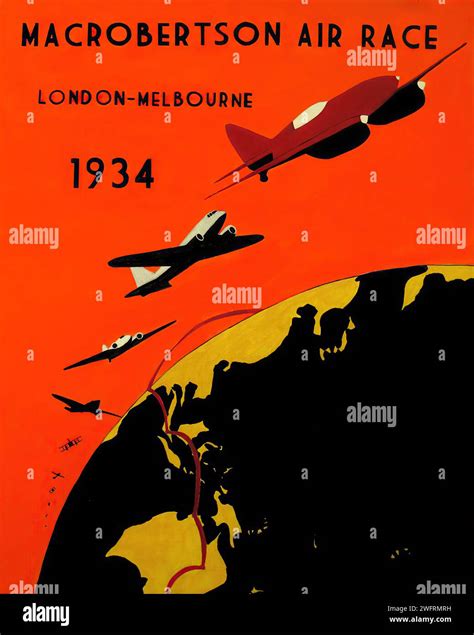
These events attracted elite pilots like Amelia Earhart, Roscoe Turner, Steve Wittman, and Pancho Barnes, each contributing to a golden era marked by extreme risk, mechanical innovation, and fierce international competition.
The Reno Era and Resurgence in the Skies
Modern air racing entered a new era with the launch of the Reno National Championship Air Races in 1964, created by Bill Stead at Sky Ranch, Nevada. Two years later, the event moved to Reno Stead Airport, evolving into a massive five-day festival attended by nearly 200,000 spectators. It introduced structured racing classes and pylon courses, cementing the Reno races as the epicenter of post-war competitive aviation.
Key racing classes born or popularized during this period include:
- T-6 Air Racing (1946): Using WWII-era T-6 Texans and their variants.
- Biplane Air Racing (1964): Dominated by agile Pitts Specials with 360 cu in engines.
- Formula One (1970) and Formula V (1972): Engine-restricted classes, now largely defunct.
- Sport Class (1998): Featuring experimental piston-engine aircraft topping 200 mph.
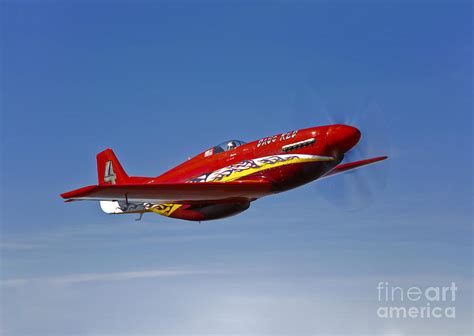
- Unlimited Class (1964): Showcasing legendary warbirds like the P-51D Mustang “Dago Red”, F8F Bearcat, and Hawker Sea Fury.
- Jet Class (2002): Introduced Cold War-era jets like the L-39 Albatros and Vampire.
Red Bull and Global Air Racing Revival
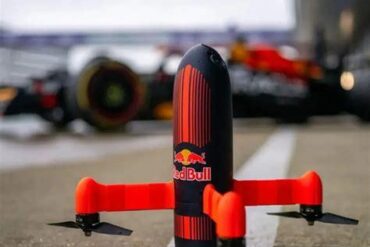
In 2003, air racing received a high-octane makeover with the advent of the Red Bull Air Race World Championship, which ran until 2019. Unlike traditional oval pylon races, this global series emphasized high-G aerobatic maneuvers, tight turns, and laser-measured timing, all while flying just meters above the ground. Elite pilots like Paul Bonhomme and Péter Besenyei dazzled crowds from Abu Dhabi to Las Vegas.
This reinvention reintroduced air racing to a new, younger global audience, making it more accessible and media-friendly. With carefully regulated rules and safety protocols, Red Bull’s efforts blended precision flying with extreme sports aesthetics.
Other modern racing events include:
- Aero GP (since 2005): Multi-aircraft pylon racing with aerobatics and target bombing.
- Air Race 1 World Cup (2014) and Air Race E (2020): Bringing Formula One air racing and electric propulsion into competition.
- Parabatix Sky Racers (2010): Paramotor races through obstacle courses in Europe.
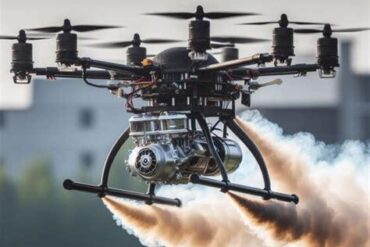
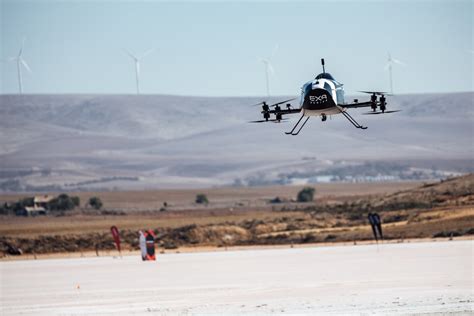
- Airspeeder EXA Series (2022): Electric VTOL racing featuring autonomous and piloted drone-like craft.
Notable Pilots: Icons of the Sky
Throughout its rich history, air racing has been shaped by visionary aviators and fearless competitors. Some legendary figures include:
- Glenn Curtiss: First Gordon Bennett winner.
- Louis Blériot: Channel-crossing pioneer and early racer.
- Jimmy Doolittle: Air race veteran turned WWII hero.
- Jacqueline Cochran: Women’s speed record holder and trailblazer.
- Steve Hinton & Skip Holm: Dominant forces in Reno’s Unlimited Class.
- Antoine de Saint-Exupéry: Famed author-pilot with early race roots.
Their achievements not only defined the sport but also pushed the boundaries of aviation performance, design, and endurance.
Active Air Races Today: Legacy and Innovation
Despite evolving technologies and changing public interests, air racing remains active and diverse. Ongoing competitions across the globe reflect the sport’s adaptability and continued appeal:
- National Championship Air Races (Reno): The heart of U.S. air racing.
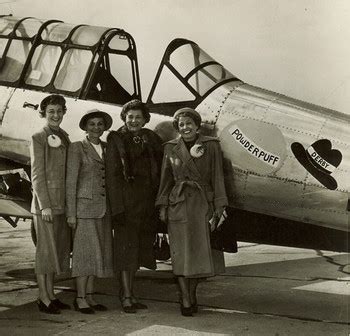
- Air Race Classic (1977–present): Women-led cross-country race, descended from the Powder Puff Derby.
- British Air Racing Championship (1952) & European Air Racing Championship (2000): Strongholds of continental racing.
- Hayward Air Rally (1965): A unique U.S. time-speed-distance challenge.
- Schneider Trophy Revival (1981): Honoring seaplane race history.
As electric propulsion and AI integration become mainstream in aviation, air racing is poised to evolve again. With ventures like Airspeeder, the sport may lead innovation in urban air mobility, sustainable flight, and autonomous aerial vehicles.
Conclusion: A Century of Speed in the Skies
Air racing is more than a sport—it is a continuous testbed for the limits of flight, human courage, and mechanical ingenuity. From grass fields in 1909 to high-tech eVTOL duels in the 2020s, it remains one of the most enduring and thrilling expressions of human fascination with speed and the skies. With its blend of historical legacy, technological advancement, and competitive spectacle, air racing ensures that aviation will never lose its edge—or its audience.