Delta Air Lines faced an unexpected operational disruption when a routine winter safety procedure turned into an onboard incident that delayed a domestic flight and soaked a passenger in deicing chemicals. What unfolded on the ground highlighted how even well-rehearsed aviation processes can unravel in rare and uncomfortable ways.
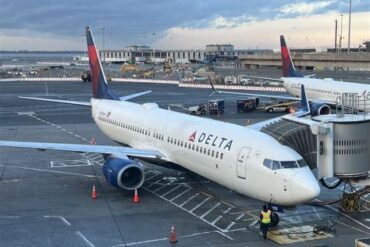
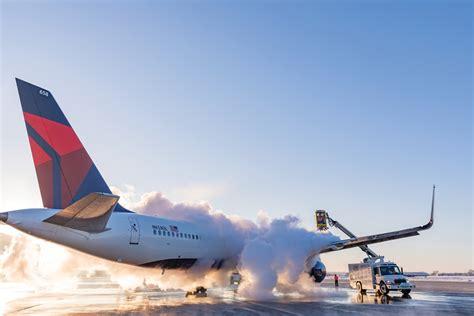
The incident occurred during pre-departure preparations on a Delta Airbus A220 scheduled to operate from New York’s JFK Airport to Jacksonville International Airport. As winter weather lingered over the region, the aircraft underwent standard deicing before departure. Shortly after the procedure was completed and the aircraft began taxiing, cabin crew became aware that liquid had entered the passenger cabin and drenched one seated traveler.
Deicing is designed to stay firmly outside the aircraft, clinging to wings and control surfaces where ice accumulation poses a threat to safety. Fluid entering the cabin is highly unusual, and the crew responded immediately. The pilots contacted air traffic control and requested clearance to return to the gate, halting the departure to address both passenger welfare and aircraft condition.
A Routine Safety Procedure Takes an Unusual Turn
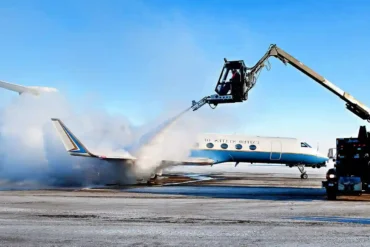
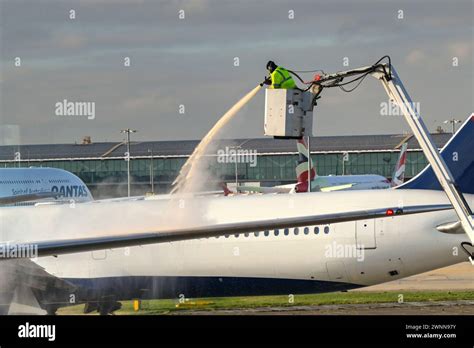
Cold-weather deicing is a cornerstone of winter flight safety across the northeastern United States. Heated mixtures containing propylene glycol or other glycol-based compounds are sprayed onto the aircraft to remove ice and prevent refreezing before takeoff. These fluids are engineered to be effective in harsh conditions and are considered low in toxicity, but direct contact with skin can cause irritation and discomfort.
In this case, liquid breached the cabin environment after the aircraft left the deicing area. While the exact entry point was not immediately disclosed, such leaks typically trigger concerns about seals, drainage paths, or the angle and pressure of fluid application. Delta’s flight crew opted for caution, prioritizing inspection over schedule adherence, a decision aligned with industry safety norms.
Communications between the cockpit and controllers indicated that medical assistance was considered. Ultimately, it was deemed unnecessary, as the affected passenger was able to clean up and change clothes once the aircraft returned to the gate. Still, the unusual exposure prompted Delta to remove the aircraft from service temporarily.
Passenger Impact and Operational Consequences
Although winter delays are familiar to frequent flyers, direct passenger involvement in ground-service mishaps remains exceptionally rare. The soaked traveler became the focal point of the incident, but the consequences extended far beyond a single seat. Delta chose to delay the flight for several hours and later substituted a different aircraft to continue the journey to Florida.
This decision reflects how airlines manage abnormal operations. When cabin contamination or unexpected exposure occurs, even without injury, maintenance teams are tasked with inspecting the aircraft to confirm that systems and structures performed as intended. Documentation and internal reporting often follow, ensuring that any contributing factors are identified and mitigated.
How Deicing Fluid Can Breach the Cabin
Aircraft are designed with multiple barriers separating external fluids from interior spaces. Drainage systems channel excess deicing fluid away from sensitive areas, while seals protect doors, windows, and fuselage joints. Incidents where fluid penetrates the cabin suggest an abnormal interaction between equipment, environment, and airframe.
Overspray, unusual wind conditions, or blocked drainage points can sometimes allow fluid to migrate in unintended ways. Because these scenarios are rare, they attract heightened scrutiny from airline safety teams. Delta’s conservative response underscores how even low-probability events are treated seriously when passenger comfort and confidence are affected.
Winter Operations and Network Ripple Effects
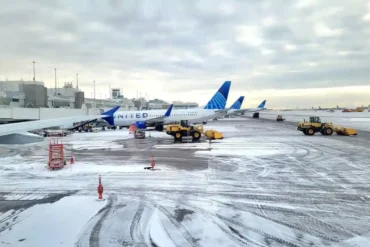
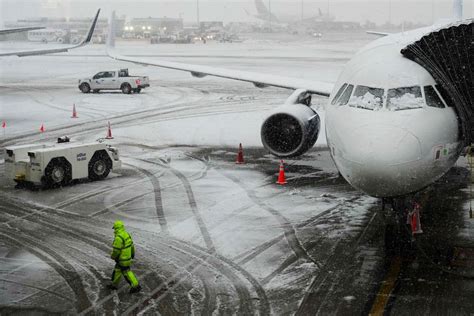
Airports like JFK experience intense operational pressure during winter months. Frequent deicing, congested taxiways, and tight departure windows create an environment where small irregularities can cascade into broader disruptions. Aircraft substitutions, crew rescheduling, and gate congestion often follow, especially when a single aircraft is sidelined unexpectedly.
This incident illustrates how ground-service challenges can ripple across an airline’s network. A delay of several hours on one flight can influence subsequent rotations, crew duty limits, and passenger connections, amplifying the impact well beyond the original event.
Safety Culture Under the Microscope
While uncomfortable for the passenger involved, the episode serves as a reminder of aviation’s layered safety culture. The decision to return to the gate, inspect the aircraft, and delay departure reflects an industry that prioritizes risk management over convenience. Even when substances involved are considered low-toxicity, unexpected exposure is treated as an abnormal condition requiring resolution.
Delta Air Lines has not indicated whether the incident will lead to further investigation or procedural changes. However, such events are typically logged and reviewed internally, contributing to incremental improvements in equipment handling and ground-operation coordination.
Winter travel will always carry the potential for delays and disruptions. What makes this case stand out is not the presence of deicing itself, but the rare breach of the cabin environment. It underscores how aviation depends on precise coordination across multiple teams, where rapid communication and decisive action remain essential when the unexpected slips through the system.