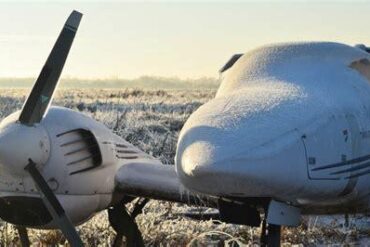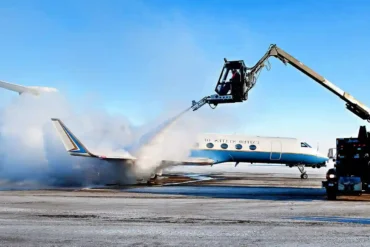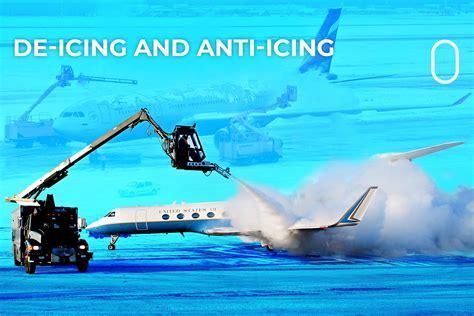
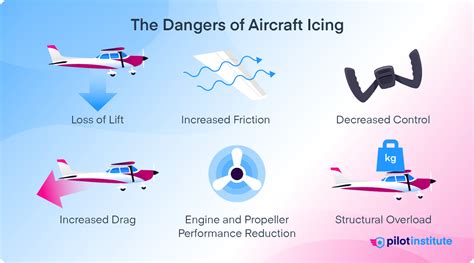
Ground deicing of aircraft is a critical aviation procedure designed to eliminate frost, ice, or frozen contaminants from an aircraft’s surfaces before departure. Ensuring a contaminant-free surface is vital because even a thin layer of ice can severely compromise lift, drag, and control. In-flight ice protection systems, although effective, cannot replace ground deicing, which remains the responsibility of the pilot-in-command.
The Vital Purpose of Ground Deicing
Aircraft surfaces are meticulously engineered to optimize airflow. Any surface irregularity, even as thin as 0.4 mm (1/64 inch), can disrupt this airflow, add significant weight, interfere with control surfaces, or break off during flight, potentially causing catastrophic damage to engines and critical systems.
Moreover, a phenomenon known as cold soaking can lead to unexpected icing. When fuel in the wing tanks remains below freezing, moisture condenses on the wing and subsequently freezes, even if the surrounding air temperature is above 0 °C. This highlights the unpredictable nature of icing and underscores the necessity for thorough ground deicing.
Several tragic accidents underscore the importance of proper deicing procedures:
- 1946 Railway Air Services Dakota crash
- Air Florida Flight 90
- Air Ontario Flight 1363
- Arrow Air Flight 1285R
- Continental Airlines Flight 1713
- Scandinavian Airlines System Flight 751
- West Wind Aviation Flight 282
Each incident serves as a somber reminder that surface contaminants can have fatal consequences if not meticulously removed.
Comprehensive Ground Deicing Process
Before every flight, the pilot-in-command must conduct a careful inspection for frost, ice, or snow. This inspection is done visually or using Ground Ice Detection Systems. Should contamination be detected or suspected, immediate deicing is mandatory.
Given that weather conditions can quickly reintroduce contaminants—such as during active snowfall—aircraft are typically treated with a viscous anti-icing fluid immediately after deicing. This layer prevents new ice from adhering to the surfaces until the aircraft achieves takeoff speed.
The period during which the anti-icing protection remains effective is termed the holdover time. Aviation authorities, including the FAA and Transport Canada, publish holdover time tables tailored to various deicing fluids and atmospheric conditions.
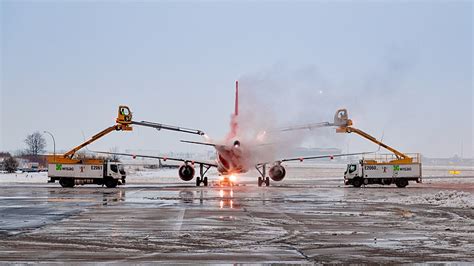
Flights must adhere to these holdover windows; if the time expires before takeoff, a full deicing process must be repeated. Critically, if an anti-icing fluid layer is deemed “failed,” it must be completely removed prior to reapplication. Rigorous management plans and detailed record-keeping are mandated to maintain procedural integrity and flight safety.
Advanced Methods for Ground Deicing
Ground deicing employs multiple methods, each selected based on weather conditions, aircraft type, and operational requirements.
Fluid-Based Deicing
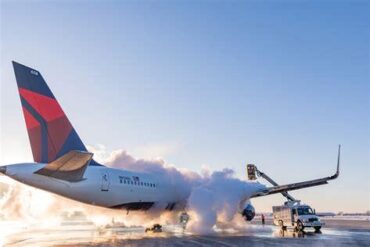
The most common method involves glycol-based deicing fluids. These fluids, primarily composed of propylene glycol or ethylene glycol, offer a lower freezing point than water. Deicing fluids are generally:
- Deicing fluids: Non-viscous, heated, designed to remove existing ice.
- Anti-icing fluids: Thickened, cold-applied, designed to prevent recontamination.
Sometimes, a two-step deicing process is employed, involving both fluid types to maximize effectiveness.
However, glycol-based fluids raise significant environmental concerns due to their toxicity and contribution to groundwater salinity, prompting ongoing research into safer alternatives.
Hot Water Deicing
Under appropriate ambient conditions, hot water at 60 °C (140 °F) can be used to melt ice deposits. Typically, a follow-up application of a type I deicing fluid is recommended to inhibit refreezing. This method requires precise temperature management to ensure effectiveness without causing subsequent freezing hazards.
Forced Air Deicing
Forced air systems can physically blow off accumulated snow and frost. If ambient temperatures are above freezing, unheated air is sufficient; otherwise, this method is combined with fluid application. Heated forced air is generally avoided due to the risk of melting and then refreezing contaminants on aircraft surfaces.
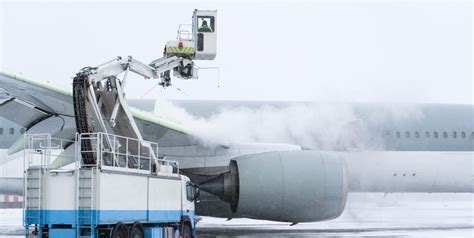
Hybrid systems combining heated air and deicing fluids are being developed to optimize efficiency and reduce fluid consumption.
Infrared Heating
Infrared heating offers a fast, efficient deicing option. Hangar-based infrared systems deliver rapid heat transfer directly to aircraft surfaces, melting ice significantly faster than conventional methods. Despite its advantages, hangar-based infrared deicing demands substantial space and investment, limiting its widespread adoption.
Mobile infrared units, mounted on trucks, provide a flexible alternative, although commercial airline use remains rare.
Mechanical Deicing
Mechanical tools—such as brooms, scrapers, ropes, and mops—can manually remove snow accumulations. However, mechanical deicing demands extreme care to avoid damaging sensitive aircraft components like antennas and pitot tubes. While effective for snow removal, mechanical methods alone are usually insufficient for frost or thin ice layers, except under extremely cold conditions.
Hangar Deicing
Placing an aircraft in a warm hangar allows natural melting of ice and frost. Yet, as the aircraft is removed into cold conditions, frost may rapidly redevelop, especially due to cold-soaked fuel in wing tanks. Thus, supplementary deicing steps may still be necessary.
Engine Ice Shedding
Fan-jet engines present a unique challenge, as glycol fluids cannot safely deice these components. Instead, engine ice shedding procedures are performed, involving accelerating the engine to a specific RPM for a designated time to dislodge accumulated ice safely.
Specialized Equipment for Ground Deicing
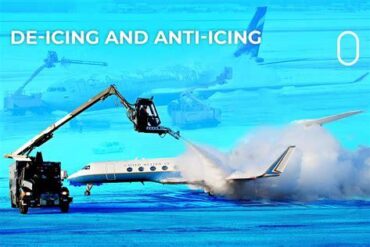
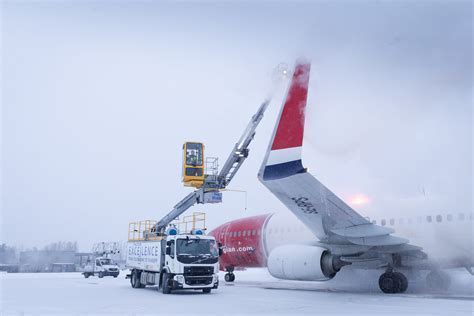
Major airports rely on sophisticated self-propelled deicing vehicles, resembling cherry-picker platforms equipped with heated fluid tanks and high-pressure nozzles. These vehicles must meet strict technical standards set by SAE International, specifically SAE ARP1971 and ARP4806.
Deicing operations may occur:
- In hangars, allowing for a controlled environment.
- At departure gates, ensuring rapid turnaround.
- On dedicated deicing aprons, designed to collect and recycle fluid runoff efficiently.
Efficient deicing demands comprehensive logistics, including substantial storage facilities and precise transportation infrastructure for deicing fluids.
Environmental Impact and Mitigation Strategies
Water Pollution Concerns
Glycol-based deicing fluids pose a significant threat to aquatic ecosystems. As these fluids degrade, they exert a high biochemical oxygen demand (BOD), depleting dissolved oxygen levels critical for aquatic organisms’ survival.
Reduced oxygen levels can devastate fish populations, eliminate bottom-dwelling species, alter species compositions, and disrupt essential food-web interactions. The environmental footprint of aircraft deicing operations necessitates vigilant management.
Mitigation Efforts
To counteract environmental damage, airports implement rigorous fluid recovery systems. Strategies include:
- Fluid recycling, separating water and solid contaminants, and reusing reclaimed fluids.
- On-site wastewater treatment facilities tailored to handle deicing byproducts.
- Collaboration with municipal or commercial wastewater treatment plants for responsible disposal.
These measures significantly mitigate the environmental impacts of deicing operations, aligning aviation safety needs with ecological stewardship.
Conclusion
The ground deicing of aircraft is a non-negotiable safety procedure in aviation. With multiple deicing methods, stringent regulatory frameworks, and evolving technologies, the aviation industry continues to prioritize safety while addressing environmental concerns. As climate conditions fluctuate and operational demands increase, ground deicing will remain an indispensable pillar of modern flight operations.