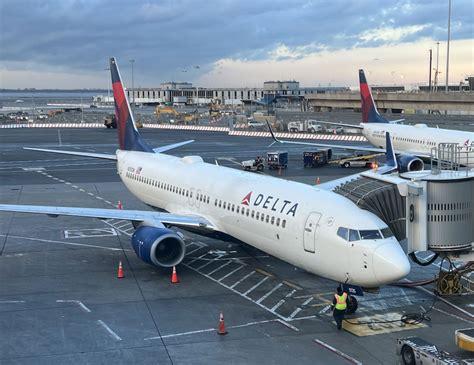
Carmen Sansone’s summer vacation in Italy turned into a logistical and emotional nightmare when Delta Air Lines abruptly canceled her flight from Catania Airport (CTA) in Sicily to New York’s John F. Kennedy International Airport (JFK). What was meant to be a routine return home on July 16, 2025, unraveled into a costly ordeal with no financial or logistical support from the airline—leaving her stranded, frustrated, and more than $1,600 out-of-pocket.
Delta’s Sudden Flight Cancellation: A Nightmare in Sicily
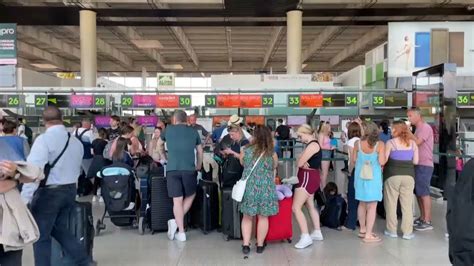
Sansone’s problems began as she stood at the check-in counter at Catania Airport. Expecting to board Delta Flight DL245 back to New York, she was informed—without prior warning—that her flight had been canceled. No notification email, no text alert, and most critically, no immediate alternative or compensation.
Instead, she was told she’d be rebooked for a flight the next day. But this was of little comfort. With no support from Delta for accommodations or transportation, Sansone had no choice but to independently secure a place to stay and transport herself nearly an hour from the airport, costing her €190 (~$205) for a taxi ride alone. Then, the next morning, she faced another €185 (~$200) taxi bill just to get back to the airport.
A Chain Reaction of Missed Flights and Unpaid Expenses
When she finally boarded her rescheduled flight the following day, it spent two hours idling on the tarmac in Catania, causing her to miss her connecting flight from JFK to Nashville International Airport (BNA). Upon arrival in New York, she found herself stranded once again—with no explanation from Delta and no offer to cover meals, new bookings, or even basic hospitality.
In desperate need of rest and relief, she paid $60 out-of-pocket to access the Delta Sky Club lounge, hoping for at least a quiet place to wait for assistance. Instead, she received an email notifying her that her connecting flight to Nashville had also been canceled. No backup arrangements, no compensation—only more costs and more time lost.
Pursuit of Reimbursement: A Denied Request
Upon returning to the U.S., Sansone filed for reimbursement with Delta, attaching detailed receipts for meals, taxi fares, and lounge fees. She expected, at the very least, that an international airline of Delta’s stature would take ownership of the ordeal. Instead, Delta refused to cover the hotel stay, meals, and one of the taxi rides, only offering minimal reimbursement—adding insult to injury.
Legal Framework: Delta’s Obligations Under EU Law
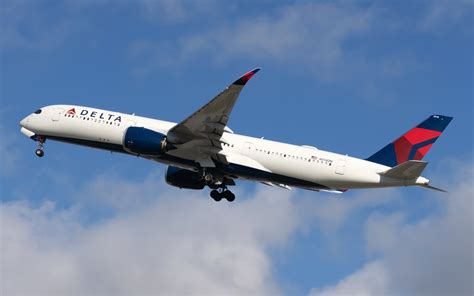
Under EU Regulation 261/2004, airlines operating flights departing from the EU are legally obligated to provide up to €600 (~$650) in compensation for cancellations, depending on distance and delay severity. These protections exist precisely for circumstances like Sansone’s—when a flight is canceled at short notice and the passenger is left without viable alternatives.
According to legal experts, including statements referencing prior European Court of Justice interpretations, Sansone could be entitled to compensation, as the airline failed to notify her in advance or provide acceptable accommodations or rerouting.
Social Media Amplifies Passenger Rights Debate
Feeling cornered, Sansone turned to TikTok to voice her frustration. Her emotional, firsthand account struck a chord with thousands. The video went viral, reaching 165,000+ views and drawing more than 900 comments from sympathizers and fellow travelers sharing their own Delta horror stories. The power of social media transformed her individual grievance into a public reckoning.
Many viewers urged her to escalate the issue, suggesting she file complaints with the U.S. Department of Transportation (DOT), the Federal Aviation Administration (FAA), and the Better Business Bureau (BBB). Others advised her to dispute charges via her credit card company for services not rendered. A growing number encouraged her to continue exposing the situation on platforms like LinkedIn, leveraging public outrage to pressure Delta into action.
A Broader Issue: The Declining State of Airline Accountability
Sansone’s ordeal is not unique. Her case highlights a systemic problem within commercial aviation, especially among major U.S. carriers. Flight delays and last-minute cancellations are on the rise, while compensation and customer service have seemingly fallen by the wayside. Travelers are increasingly bearing the financial burden of airline mishaps—whether in hotel fees, transportation, or lost time—and feel they have no recourse.
Although regulations such as EU261/2004 and the U.S. DOT’s Fly Rights program exist, enforcement remains inconsistent. Airlines often gamble on passengers not knowing their rights or giving up after drawn-out complaints processes.
Delta’s Shrinking Reputation Amid Growing Complaints
Delta Air Lines, headquartered in Atlanta, has long marketed itself as a premium airline with superior customer experience. Yet incidents like Sansone’s erode that image. Public frustration with Delta has swelled over the past year amid numerous incidents of poor communication, unexplained flight cancellations, and refusal to offer basic reimbursements. The company has faced scrutiny not only for its operational shortcomings but also for alleged violations of passenger rights under international law.
Even more troubling is the perception that Delta, and airlines like it, are prioritizing profits over people. Passengers like Sansone aren’t just dealing with inconvenience—they’re enduring emotional distress, financial strain, and extended travel disruptions, with little acknowledgement or empathy from the airline.
Passenger Rights Need Better Enforcement Mechanisms
Sansone’s story reignites the conversation around enforceable passenger protections. Experts argue that without stronger penalties and automated compensation systems, airlines will continue to skirt their responsibilities. The current system places the burden on travelers to fight for reimbursement—a daunting, often demoralizing task.
Legal analysts point to the need for standardized global policies, ensuring that airlines cannot exploit gaps in international law. In the U.S., stronger oversight by the DOT and clear-cut automatic compensation mechanisms—as are being developed in parts of Europe—could make a difference.
The Human Toll Behind the Headlines
For Carmen Sansone, the issue isn’t just about money—it’s about dignity and fairness. Her demand is simple: that airlines honor their obligations and treat passengers as people, not statistics. Her call for Delta to “pay for the pain and suffering they caused” echoes the sentiment of millions of travelers who have been similarly affected.
Her story serves as a powerful case study of how airline negligence, poor communication, and delayed action can transform an ordinary travel hiccup into a traumatizing ordeal. As long as airlines dodge accountability and regulatory bodies remain toothless, passengers like Sansone will continue to be left stranded—both physically and financially.
What’s Next for Carmen Sansone—and for Delta?
As Sansone weighs legal action and continues to raise awareness on social platforms, Delta has remained largely silent. The airline’s minimal response—reimbursing only a single taxi fare—may have satisfied policy, but it has deepened public backlash.
For now, Sansone is determined not to let the issue slide. Her viral video is just the beginning. Whether through legal channels or public pressure, she intends to hold Delta accountable—not just for herself, but for every passenger who has been left behind without answers.
Until airlines like Delta implement policies that proactively protect passengers, cases like Sansone’s will continue to dominate headlines. And for the airline industry, it’s a wake-up call: passengers are watching, recording, and demanding better.