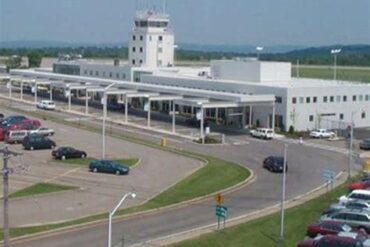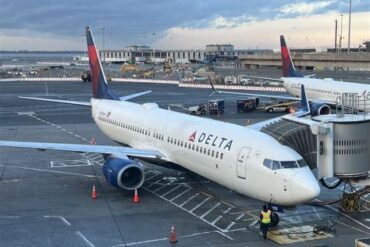
On February 14, 2026, Delta Air Lines will officially cease all commercial operations at Greater Binghamton Airport (BGM), ending its single daily flight to Detroit Metropolitan Wayne County Airport (DTW). This decision marks a critical juncture for the upstate New York airport, which, despite undergoing significant infrastructure upgrades, will lose its last remaining commercial connection.
A Last Lifeline Cut: Delta’s Exit from Greater Binghamton Airport
Greater Binghamton Airport has long grappled with the harsh realities of regional air travel, including declining passenger volumes and diminishing airline interest. For years, Delta Connection’s flight to Detroit served as the only remaining scheduled route at BGM, offering vital access to a broader global network through Delta’s Detroit hub.
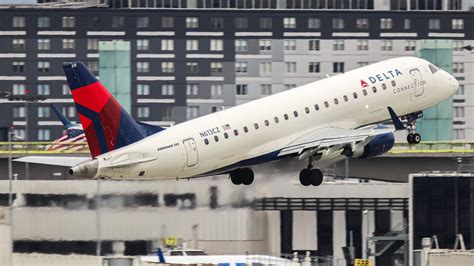
The airline’s decision to withdraw reflects what it described as “broader network and operational considerations,” a phrasing that hints at deeper systemic shifts in the aviation industry. County officials were informed of Delta’s exit in late December 2025, just weeks before the termination date was set. For residents of New York’s Southern Tier, this will effectively eliminate commercial air service within immediate reach, forcing travelers to seek alternatives elsewhere.
Infrastructure Modernization With No Flights To Fill It
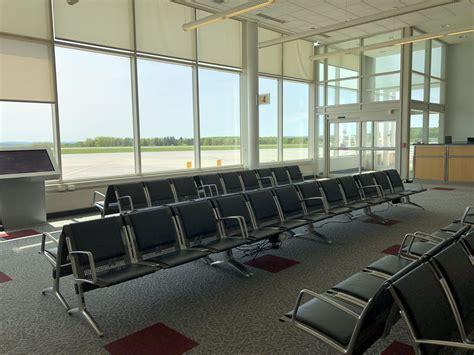
The loss of Delta service is particularly striking given the airport’s recent investment in a multimillion-dollar terminal renovation project. Upgrades included enhanced passenger amenities, improved accessibility, and reimagined public areas, all intended to attract and retain commercial carriers. Completed just months before Delta’s exit, the improvements were seen as a bid to revitalize BGM’s competitiveness in an increasingly consolidated airline market.
Yet despite these enhancements, the renovated terminal will now sit void of commercial activity—a sobering reality that speaks to the complexities of airline route planning. Industry analysts have consistently stressed that infrastructure alone isn’t sufficient to guarantee service. Without strong demand and route profitability, even a modernized airport can be left behind.
Regional Airport Realities in a Post-Pandemic Aviation Market
The shutdown of BGM’s only commercial service reflects a wider trend that has swept through small and midsize airports across the United States. As airlines recover from pandemic-era financial losses and adjust to new travel patterns, they have increasingly shifted focus to higher-density routes, primarily between large hubs or major metropolitan areas.
Pilot shortages, rising fuel costs, and limited aircraft availability have compounded these pressures, prompting carriers to trim less profitable regional routes. Delta’s decision to pull out of BGM mirrors similar moves made across the country, especially where demand fails to justify operational costs. The result: communities that once enjoyed relatively easy access to the skies are now being relegated to longer drives and increased travel expenses.
For Binghamton residents, nearby airports like Syracuse Hancock International (SYR), Elmira-Corning Regional (ELM), or Wilkes-Barre/Scranton International (AVP) may now serve as alternatives. However, reaching these facilities often entails an hour or more of driving, especially challenging during winter months or for business travelers with tight schedules.
Airline Strategy: Profitability Over Proximity
The airline industry’s retreat from small markets is not personal—it is strategic. Airlines operate on thin margins, and routes that lack sufficient yield are quickly eliminated, regardless of community impact. Delta, like other major carriers, has sought to concentrate operations around key hubs to maximize efficiency and streamline connections.
This strategy leaves regional airports like BGM at a crossroads. Even a well-maintained, well-equipped airport cannot override market forces. Unless an airport can demonstrate consistent demand, offer competitive incentives, or fit neatly into a carrier’s route map, it struggles to remain in play.
Moreover, the operational constraints airlines now face—particularly related to the availability of small regional jets and qualified pilots—mean that service restoration is unlikely to happen overnight. The route that once connected Binghamton to Detroit wasn’t just a flight; it was a lifeline for the region’s businesses, healthcare travelers, students, and families.
The Local Response: Hope Against Headwinds
In the wake of the announcement, airport leadership and county officials have made clear that they are not giving up. Mark Heefner, BGM’s Commissioner of Aviation, stated:
“We continue to have meetings with multiple airlines as we explore opportunities to expand air service at BGM. Our focus remains on providing reliable, accessible air travel options for the people and businesses of the Greater Binghamton region.”
This includes outreach to smaller regional airlines, charter operators, and low-cost carriers that may be open to entering underserved markets. While such efforts can bear fruit, they are notoriously difficult and often require years of negotiation, financial subsidies, or public-private partnerships.
Some models under consideration include seasonal flights tied to tourism peaks, or interline agreements with major carriers through code-shared partnerships. Even then, success depends on whether the traveling public chooses to support the service once it launches.
General Aviation: The Remaining Artery
Despite the loss of scheduled commercial flights, BGM will remain fully operational. The airport will continue to support general aviation, corporate aircraft, air cargo, and charter services. These operations are more than symbolic—they ensure that the airport retains federal funding eligibility and remains viable for future commercial prospects.

Such services play a crucial role for regional businesses, emergency medical transport, and government operations. BGM will also remain a base for aerial firefighting, military exercises, and other critical aviation functions. While these don’t replace the convenience of commercial service, they preserve the airport’s utility.
Community Impact: A Blow to Connectivity and Growth
For the broader community, Delta’s departure is not just an inconvenience—it represents a real threat to economic development. Air connectivity is often a key factor in attracting new businesses, supporting tourism, and retaining top talent. Without a scheduled carrier, Greater Binghamton risks losing out on future investment.
Business leaders have voiced concern about the long-term implications. Regional companies may now face increased costs to fly clients or executives in and out. Local universities, such as Binghamton University, could become less accessible to out-of-state students and visiting scholars.
This decision may also dampen the morale of residents who have long fought to keep BGM viable. Still, some remain cautiously optimistic, pointing to the airport’s persistent resilience and willingness to adapt.
Looking Ahead: A Future in Flux
While the immediate reality is bleak, the long-term outlook for Greater Binghamton Airport is not entirely grim. The facility’s modernized infrastructure, commitment from local leadership, and persistent pursuit of new carriers position it better than many similarly sized airports.
Success, however, hinges on a host of unpredictable factors: economic trends, airline strategies, regulatory changes, and community support. In the meantime, regional stakeholders must rally around the airport—not just with rhetoric, but with tangible backing, whether through subsidies, marketing campaigns, or broader economic initiatives that demonstrate demand.
The final Delta flight out of BGM may close one chapter, but it could also spark a new phase of transformation—one defined not by nostalgia, but by innovation and adaptation.