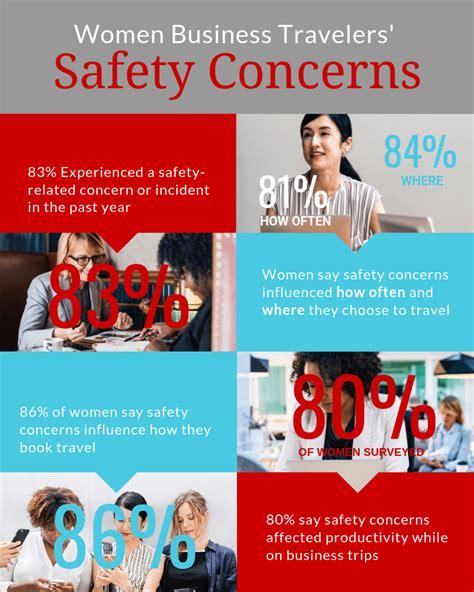
In a world where business travel is an integral part of many professions, a recent survey conducted by World Travel Protection (WTP) has unveiled alarming safety concerns that female travelers face compared to their male counterparts. The findings indicate that 71% of women reported feeling unsafe during business trips, a stark contrast to the experiences of men. This growing concern over safety for female business travelers emphasizes the pressing need for organizations to address these unique challenges as they navigate the complexities of modern work dynamics.
The survey, which polled 2,000 business travelers, highlights a significant gender disparity in perceptions of safety while traveling for work. Among the female participants, more than half admitted to feeling uneasy due to safety issues, with 31% stating they would avoid solo outings at night during business trips. Disturbingly, 12% revealed they had encountered dangerous situations such as theft or assault while on these trips. Such statistics paint a clear picture of heightened vulnerability and stress that women experience, leaving them feeling unsupported by their employers when it comes to safety during travel.
In today’s corporate climate, where business travel remains a crucial component, the need for proactive safety measures cannot be overstated. Employers must recognize the unique challenges faced by female employees and take significant steps to ensure their safety. Key recommendations from experts include implementing robust travel policies, offering comprehensive safety resources, and providing emergency contact information. Sharing travel itineraries with employers allows for rapid response should an emergency arise, emphasizing the importance of communication in safeguarding employees.
Additionally, organizations should consider arranging private transport, such as chauffeur services, to mitigate the risks associated with public transportation in unfamiliar locations. Ensuring that hotels provide 24-hour reception services is another critical safety measure that can help reassure female travelers during their trips. While many companies have begun to implement these protocols, there remains considerable room for improvement in addressing the specific needs of women.
Creating confidential forums for female employees to voice their concerns and share experiences is another essential recommendation. Eve Taylor, a member of the Business Travel Association (BTA) advisory board, advocates for the establishment of platforms where women can openly discuss their challenges and suggest improvements in business travel policies. “Having a space for women to express their concerns is vital for making informed decisions about their safety,” Taylor emphasizes. By listening to their employees, companies can build a safer and more supportive travel environment.
Despite the availability of resources such as travel assistance apps, the survey found that these tools are underutilized. While 70% of business travelers reported that their company encourages them to download such an app, only 30% actively use it. This disconnect indicates a gap between resource availability and employee engagement, underscoring the necessity for organizations to not only provide these tools but also actively promote their usage.
Moreover, the survey conducted by Booking.com for Business revealed an intriguing discrepancy between domestic and international travel safety measures. Only 26% of employees reported taking extra precautions during domestic travel, compared to 42% who exercise greater caution when traveling abroad. This difference raises questions about safety awareness and preparedness, particularly when traveling within one’s own country.
The impact of routine changes during business travel extends beyond safety concerns; it significantly affects the mental and physical health of travelers. According to Booking.com for Business, 22% of business travelers feel more susceptible to illness while on work trips due to disrupted sleep patterns, dietary changes, and limited opportunities for exercise. Interestingly, younger professionals aged 18-35 report a more positive view of business travel’s impact on their mental health, with 63% indicating that travel enhances their well-being. In contrast, only 55% of those aged 36-45 share this sentiment, suggesting a generational shift in attitudes towards work-related travel.
To further support female travelers, the U.S. Department of State provides valuable resources and guidelines aimed at enhancing safety. Among their recommendations, they stress the importance of sharing travel plans with trusted individuals, including emergency contact information. The Department also advises carrying personal safety alarms, using body language to deter unwanted attention, and familiarizing oneself with the locations of nearby emergency services. These strategies mirror the recommendations proposed by industry experts and serve as vital tools in fostering a safer environment for all travelers, especially women.
As the landscape of business travel continues to evolve, the necessity for safety protocols that specifically address the unique challenges faced by women becomes increasingly evident. Employers hold a significant responsibility to ensure the well-being of all employees, particularly women, by implementing stronger safety measures and fostering a culture of open dialogue. The data from the WTP and Booking.com for Business surveys underscore the inherent risks of business travel; however, organizations must take proactive steps to create a safe and supportive environment for their employees.
In conclusion, while business travel is an integral aspect of many careers, it is imperative that organizations prioritize the safety and well-being of female travelers. By focusing on physical safety, mental health, and open communication, companies can cultivate a travel culture that empowers all employees to navigate their journeys with confidence and security.