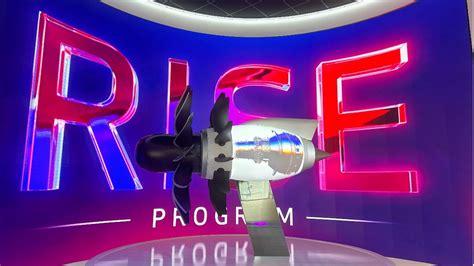
The aviation industry is undergoing a transformation unlike any in its history. With climate change intensifying global urgency for carbon reduction, every major aerospace entity is pursuing greener, more efficient solutions. One of the most revolutionary of these efforts is the CFM RISE (Revolutionary Innovation for Sustainable Engines) Program, an ambitious initiative by CFM International—a 50/50 joint venture between GE Aerospace and Safran Aircraft Engines. Launched in 2021, RISE is not just an incremental upgrade. It is a radical rethink of propulsion technology aimed at achieving over 20% fuel efficiency improvements and significantly lower emissions than today’s most advanced engines.
Open Fan Architecture: Redefining Efficiency in Jet Propulsion
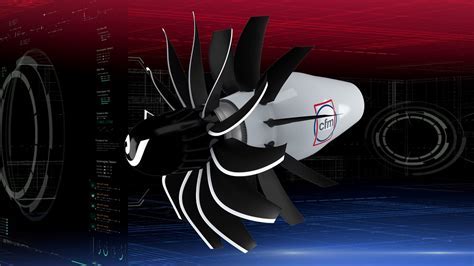
At the heart of the RISE program is the return of Open Fan engine architecture—a concept once pioneered in the 1980s with GE’s experimental GE36 engine. Back then, the design was ahead of its time, boasting remarkable fuel savings but plagued by drawbacks such as excessive noise and added weight. Today, these limitations are being overcome with cutting-edge technology.
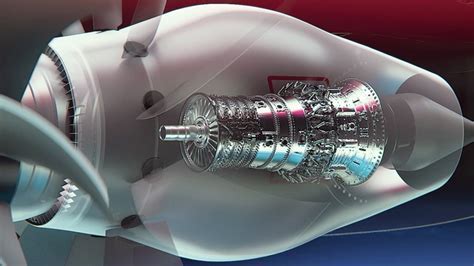
The new RISE Open Fan engine features a single-stage unducted fan—a leap from its counter-rotating predecessor. This fan is made with carbon-fiber composite blades, dramatically reducing weight while enhancing durability. With a bypass ratio over five times greater than next-gen ducted engines, the Open Fan system achieves previously unattainable levels of propulsive efficiency.
Thanks to advanced supercomputing simulations, engineers have fine-tuned the fan blade design at a molecular level, achieving whisper-quiet operation without compromising performance. This silent, single-stage fan is a feat of aerodynamic mastery and central to meeting both regulatory and passenger expectations for reduced noise pollution.
Compact Core Technologies: Small in Size, Massive in Impact
The Open Fan system, while headline-grabbing, doesn’t achieve the 20% improvement goal alone. Supporting it is the development of an ultra-efficient compact engine core—the brain and heart of the RISE propulsion system. This core compresses, combusts, and exhausts air more effectively than current systems.
The new core leverages high-temperature resistant materials, enhanced cooling systems, and adaptive engine architecture, also known as variable bypass. This allows for dynamic airflow adjustments based on flight phase, delivering high thrust during takeoff and optimized efficiency during cruise.
Crucially, it is being engineered for compatibility with next-generation fuels, including unblended Sustainable Aviation Fuel (SAF) and hydrogen, both cornerstones of aviation’s sustainable future. The core also aligns with hybrid-electric systems in partnership with NASA, laying groundwork for a future where electrification and advanced combustion work hand in hand.
Testing Milestones: Progress that’s Measurable and Accelerating
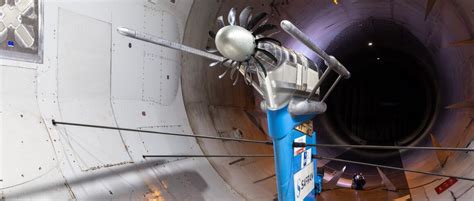
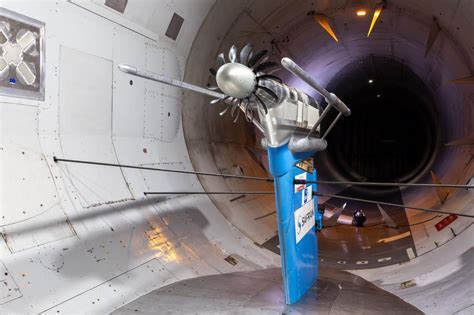
What sets RISE apart is not just bold vision, but the tangible momentum behind it. Over 250 test campaigns have already been completed, ranging from digital modeling to real-world hardware trials. Wind tunnel tests of a 1/5 scale Open Fan model were conducted in 2024 at ONERA, the French aerospace research center.
Parallel to that, the high-pressure turbine (HPT) component has undergone over 2,000 test cycles in a modified F110 engine, simulating extreme operational conditions. The next phase will add dust ingestion testing, simulating real-world challenges such as desert or volcanic conditions.
To support this vast endeavor, CFM is investing in new global test facilities, representing the scale and seriousness of its engineering commitment. With first demonstrator parts already manufactured, the RISE program is quickly transitioning from design to hardware.
Non-CO2 Emission Research: Breaking New Scientific Ground
A major innovation within the RISE program is its pioneering work in understanding and minimizing non-CO2 emissions—a complex but critical frontier in aviation sustainability. These include nitrogen oxides (NOx) and contrails, both of which contribute to global warming in ways not captured by carbon metrics alone.
In a groundbreaking November 2024 flight campaign, GE Aerospace and NASA Langley researchers deployed advanced lidar systems to study contrail behavior in 3D space. These tests aim to unravel how combustion processes affect contrail formation, potentially paving the way for engines that either reduce or eliminate contrail-related climate effects.
This next-gen combustion tech also builds on innovations from the GEnx engine, previously known for lower emissions and high efficiency. By refining these components and studying their environmental impact more closely than ever before, RISE could redefine the boundaries of what sustainable jet engines look like.

Path to the Sky: Flight Demonstrations Scheduled for This Decade
The RISE program is firmly grounded in real-world validation, and flight tests are scheduled before the decade closes. Working closely with Airbus, CFM is preparing to mount the Open Fan engine on a testbed aircraft, focusing on integration, aerodynamics, and in-flight noise performance.
These tests represent a critical threshold, shifting from ground validation to airborne proof-of-concept. Simulations and engine-to-airframe optimization are well underway, with preliminary structural integration work already showing promising results. According to CFM engineers, these demos are more than symbolic—they are a proving ground for the engine that could revolutionize medium- and long-haul aviation.
The durability argument is key here. As Hegeman noted, the Open Fan approach delivers double-digit efficiency through its propulsive system alone, without overtaxing the engine’s hot section, preserving lifespan and reducing maintenance. Traditional ducted engines, by contrast, must push materials and temperatures to extremes to reach the same performance targets—often at the cost of long-term reliability.
Conclusion: RISE as the Future-Defining Program for Aviation Sustainability
The CFM RISE Program is not theoretical—it’s happening now, fueled by data, discipline, and daring engineering. With Open Fan architecture set to redefine propulsion norms, and a compact core designed for adaptability, fuel diversity, and durability, RISE is the kind of moonshot program that the industry urgently needs.
Whether it’s tackling CO2 reductions, delving into the science of non-carbon emissions, or accelerating toward flight demonstrations, every phase of RISE has been marked by intensity and innovation. Most importantly, it represents a collaborative spirit, involving over 2,000 engineers, global partnerships, and cross-continental governmental support.
If commercial aviation is to hit its 2050 net-zero targets, technologies like those pioneered by RISE must not only succeed—they must lead. And if current milestones are any indication, they are well on their way.