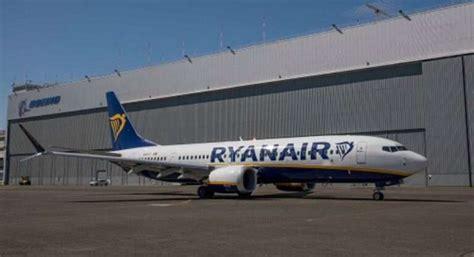
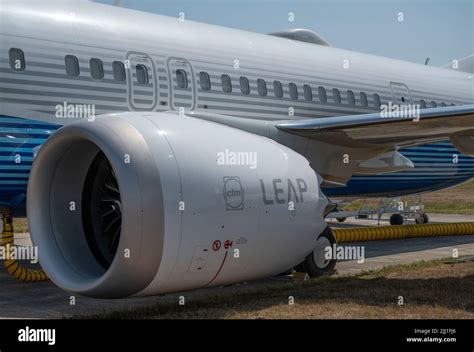
Ryanair, Europe’s largest airline by passenger numbers, has confirmed an agreement to purchase 30 new LEAP-1B jet engines from CFM International, a joint venture between GE Aerospace and Safran. The deal, valued at $500 million, is a strategic move to further enhance the airline’s operational efficiency, reduce fuel consumption, and solidify its competitive edge in the rapidly expanding aviation market. These engines will play a key role as Ryanair prepares to expand its fleet with 300 Boeing 737 MAX 10 aircraft, set to be delivered from 2027. The purchase is expected to support the airline’s ambitious growth goals, including an increase in annual passenger traffic from 200 million to 300 million by 2034.
Ryanair’s Strategic Investment in LEAP-1B Engines
Ryanair’s decision to invest in these state-of-the-art LEAP-1B engines is a clear indication of its commitment to optimizing fuel efficiency and reducing its environmental footprint. The LEAP-1B engines are known for their advanced technology, which significantly cuts fuel consumption and CO2 emissions per seat. When installed on the Boeing 737 MAX 10, these engines promise to reduce fuel consumption by up to 20%, making them an essential part of Ryanair’s cost leadership strategy. The airline is positioning itself to outperform competitors in Europe by enhancing operational resilience and delivering even more cost-effective travel to its passengers.
This move comes at a time when fuel efficiency has become a critical consideration for airlines, as they seek to minimize operational costs while addressing the growing demand for environmentally sustainable aviation solutions. By investing in next-generation engine technology, Ryanair is ensuring that it stays ahead of industry trends and regulatory pressures surrounding emissions reduction.
The Impact of the LEAP-1B Engines on Ryanair’s Fleet
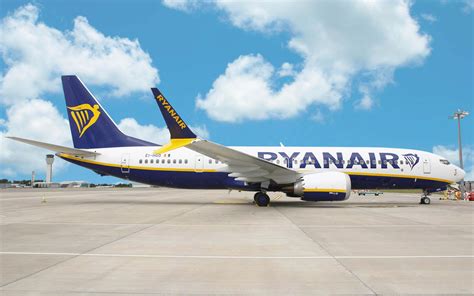
The addition of these 30 spare LEAP-1B engines will not only support the immediate needs of Ryanair’s growing fleet, but also contribute to the airline’s long-term strategy of expanding its presence in the global market. As Ryanair continues to take delivery of Boeing 737 MAX 10 aircraft, the new engines will provide the necessary power and efficiency to ensure that the fleet remains in optimal condition.
The LEAP-1B engines, specifically designed for the 737 MAX, offer improved reliability and reduced maintenance costs, which are critical factors in the airline industry. By increasing its pool of spare engines to over 120, Ryanair will be able to maintain a high level of operational flexibility, ensuring that its fleet can be quickly serviced and that any maintenance needs are met without disrupting flight schedules.
These engines are part of Ryanair’s broader plan to enhance its operational capabilities, ensuring that the airline remains a dominant player in the European market and continues to expand into new regions. As Ryanair prepares for its fleet expansion, the LEAP-1B engines will be instrumental in helping the airline maintain its focus on cost efficiency while simultaneously improving its environmental credentials.
Environmental Benefits of the LEAP-1B Engine
The LEAP-1B engine technology represents a significant leap forward in terms of reducing carbon emissions. In an era where sustainability is at the forefront of industry priorities, Ryanair’s adoption of these engines signals its commitment to greener aviation. With up to 20% less CO2 emissions per seat compared to previous generation engines, the LEAP-1B is a vital tool in Ryanair’s strategy to minimize its environmental impact while maintaining profitability.
As airlines face increasing pressure from regulators and consumers alike to reduce their carbon footprints, investing in low-emission technologies like the LEAP-1B engine is an essential step toward achieving long-term sustainability goals. This is particularly important for Ryanair as it looks to position itself as a leader in the budget airline sector, where cost-efficiency and environmental responsibility are key differentiators.
The airline’s decision to expand its use of the LEAP-1B engine is part of a larger trend within the aviation industry, where fuel-efficient and environmentally-friendly aircraft are becoming the norm. This transition to more sustainable aircraft is not only driven by regulatory requirements but also by the growing consumer demand for greener travel options. With this in mind, Ryanair’s investment in next-generation engines will likely help it retain a loyal customer base and attract environmentally-conscious travelers.
Ryanair’s Ambitious Growth Plan and the Role of the New Engines
Ryanair’s strategic goals go beyond simply maintaining its position as Europe’s largest airline. The company has set its sights on increasing its annual passenger traffic to 300 million by 2034, up from the 200 million passengers it carried as of March 2023. To achieve this ambitious target, Ryanair is aggressively expanding its fleet, and the purchase of 30 LEAP-1B engines is just one part of a larger fleet modernization effort.
By 2027, Ryanair will have added 300 Boeing 737 MAX 10 aircraft to its fleet, a move that will help the airline meet rising demand and tap into new markets. The LEAP-1B engines will provide the necessary power and fuel efficiency to ensure that these new aircraft operate at peak performance levels, supporting Ryanair’s long-term growth strategy.
In addition to the operational benefits of the LEAP-1B engines, the new technology will enable Ryanair to continue to build on its cost leadership in Europe. With fuel being one of the largest operational expenses for airlines, the ability to reduce fuel consumption while increasing efficiency will give Ryanair a significant advantage over its competitors. As the airline expands its network and adds more flights, the LEAP-1B engines will help ensure that Ryanair maintains its position as a low-cost carrier while also improving its sustainability profile.
Conclusion: A Bold Step for Ryanair’s Future
Ryanair’s investment in 30 new LEAP-1B engines from CFM is a forward-thinking move that aligns with the airline’s long-term vision of growth, efficiency, and sustainability. By adding these state-of-the-art engines to its fleet, Ryanair will be able to maintain its competitive edge in the European airline market, reduce its environmental impact, and meet its ambitious passenger growth targets.
As the airline industry continues to evolve, Ryanair’s commitment to embracing cutting-edge technology and prioritizing sustainability will serve as a model for other carriers seeking to remain competitive in an increasingly environmentally-conscious world. With its fleet expansion underway and its focus on operational resilience, Ryanair is well-positioned to continue leading the way in the budget airline sector for years to come.