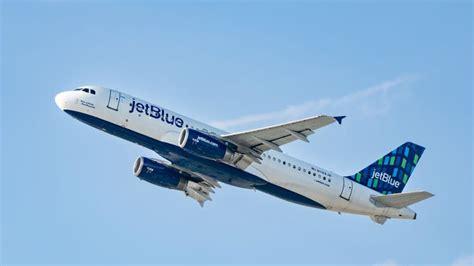
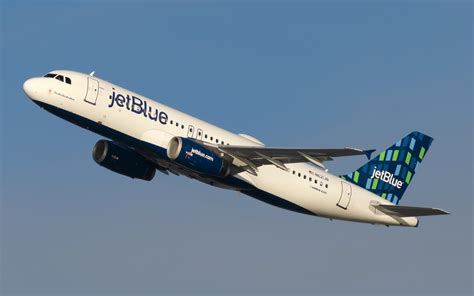
JetBlue Airways has secured $500 million in new debt financing by leveraging a portion of its owned aircraft fleet, marking a strategic move to strengthen liquidity as the airline navigates ongoing financial and operational challenges. The Long Island City-based low-cost carrier structured the financing around more than 20 Airbus A320 and Airbus A220 family aircraft, converting unencumbered assets into capital without issuing additional equity.
Rather than signaling aggressive expansion, the deal reflects balance-sheet management designed to stabilize the airline during a complex turnaround phase. By pledging aircraft that JetBlue fully owns, the airline can access long-term capital while maintaining operational control of its fleet. This approach allows the company to raise funds in a disciplined manner while avoiding dilution for shareholders.
The financing arrives at a crucial time for JetBlue, as the airline continues addressing profitability pressures, fleet disruptions, and a broader restructuring strategy following several challenging years for the carrier and the wider low-cost airline segment.
Aircraft-Backed Financing Structure Provides Long-Term Stability
The newly secured financing facility is structured under a framework agreement with affiliates of SKY Leasing and UMB Bank, allowing JetBlue to access funding through individual aircraft-secured loans instead of a single consolidated borrowing structure. This method ties each loan directly to a specific aircraft, creating a transparent collateral framework that lenders find attractive.
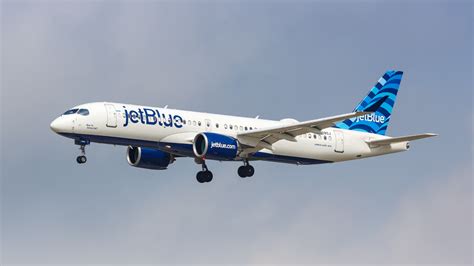
Up to 22 Airbus A320 and A220 family aircraft may serve as collateral under the arrangement. Each aircraft-backed loan grants creditors a first-priority security interest in the pledged jet, ensuring strong protection for lenders while enabling JetBlue to unlock the value embedded in its fleet.
The loans carry fixed interest rates ranging from 6.00% to 6.75%, reflecting prevailing U.S. Treasury benchmarks plus a risk premium appropriate for aviation lending. Importantly, the debt is long-dated, with maturities scheduled between 2033 and 2037, giving JetBlue a lengthy repayment horizon that reduces near-term financial pressure.
Several structural protections are built into the agreement, including:
- No-call protection, preventing early repayment during certain periods
- Prepayment at face value if JetBlue chooses to repay the loans early
- Cross-default provisions, linking loan obligations across the facility
- Cross-collateralization in selected cases
The framework also includes an accordion feature, allowing JetBlue to potentially expand the financing facility by an additional $250 million if required. This optional expansion underscores the flexibility embedded in the transaction.
Financial Pressures Continue to Shape JetBlue’s Strategy
The timing of this financing reflects the broader financial realities facing JetBlue. While the airline remains one of the most recognized low-cost brands in the United States, recent financial performance has highlighted persistent profitability challenges.
In 2025, JetBlue reported a net loss of $602 million, accompanied by a negative operating margin of 4.1%. Although the airline improved slightly compared with the previous year, the results confirmed that a full return to profitability remains a work in progress.
Several structural factors have contributed to the airline’s financial strain. JetBlue operates in highly competitive markets where pricing power can be limited, especially against larger network carriers and ultra-low-cost competitors. Maintaining competitive fares while covering rising operational costs has proven difficult.
Despite these challenges, the airline ended 2025 with approximately $2.5 billion in liquidity, providing a meaningful financial cushion. However, management has acknowledged that JetBlue still carries significant debt obligations, and additional funding sources may be necessary as the airline continues its restructuring process.
Fleet Challenges Add Operational Complexity
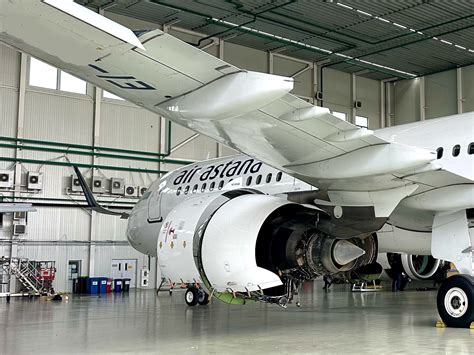
Beyond financial pressures, JetBlue has also faced operational disruptions tied to aircraft engine issues, particularly involving Pratt & Whitney engines installed on Airbus A220 and A321neo aircraft.
These engine problems have forced inspections and maintenance cycles across the industry, grounding several aircraft and reducing operational capacity. Some affected jets in JetBlue’s fleet may remain out of service well into 2026 or potentially longer, creating scheduling constraints and limiting available revenue-generating capacity.
Fleet disruptions are especially challenging for airlines operating high-utilization low-cost models. When aircraft availability drops, carriers must either reduce flight schedules or absorb higher operational costs, both of which impact profitability.
For JetBlue, these issues compound existing financial pressures and highlight the importance of maintaining strong liquidity buffers, making aircraft-backed financing an appealing strategy.
Turnaround Efforts Following the Failed Spirit Merger
JetBlue’s financial strategy cannot be fully understood without considering the aftermath of its failed merger attempt with Spirit Airlines. After regulatory opposition halted the deal, the airline shifted focus toward an internal transformation strategy aimed at restoring profitability and operational efficiency.
Central to this effort is JetForward, the airline’s long-term strategic program designed to enhance margins through cost reductions, network optimization, and revenue improvements.
The initiative has already begun producing measurable results. According to management, JetForward generated approximately $305 million in incremental EBIT during 2025, and the airline expects an additional $310 million in improvements during 2026.

Alongside JetForward, JetBlue has implemented several additional measures to strengthen its financial position:
- Aircraft delivery deferrals, reducing near-term capital expenditures
- Targeted cost-cutting initiatives across operational departments
- Asset monetization strategies, including aircraft-backed financing
- Network adjustments to prioritize higher-demand routes
Together, these actions form the backbone of the airline’s restructuring strategy as it seeks to stabilize earnings and rebuild financial flexibility.
What the Financing Means for JetBlue’s 2026 Outlook
The new $500 million aircraft-backed facility provides JetBlue with valuable breathing room as it continues implementing its turnaround plan. By converting owned aircraft into accessible capital, the airline gains additional liquidity without sacrificing operational capability or issuing new shares.
However, the financing is best understood as a bridge rather than a permanent solution. While it strengthens short-term financial resilience and extends the airline’s funding horizon, it also adds additional debt obligations to JetBlue’s balance sheet.
Ultimately, the success of this strategy will depend on whether the airline can translate operational improvements, stronger travel demand, and reduced fleet disruptions into consistent cash generation. If JetForward and broader restructuring efforts deliver the expected gains, the financing could prove instrumental in supporting JetBlue’s path back to profitability.
For now, the deal represents a carefully structured liquidity maneuver, allowing the airline to leverage its fleet assets while continuing the complex work of financial recovery and operational stabilization.