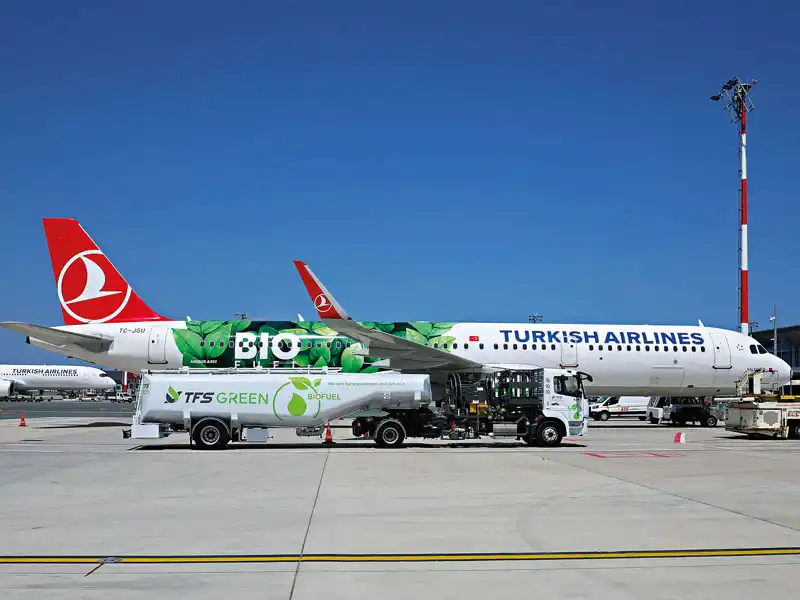
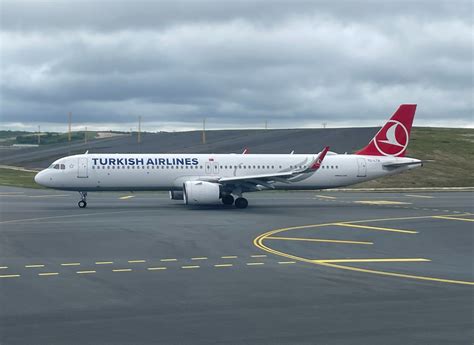
Turkish Airlines has recently received prestigious recognition for its innovative financing approach that incorporates a sustainability-linked structure into a multi-currency JOLCO (Japanese Operating Lease with Call Option) arrangement. This forward-thinking transaction supports the acquisition of two Airbus A321neo aircraft, a move that underscores the airline’s commitment to minimizing its environmental footprint. This groundbreaking deal, facilitated by Societe Generale, ties the financing terms to the airline’s sustainability goals. Specifically, Turkish Airlines has linked its financing agreement to Sustainability Performance Targets (SPTs), which focus on reducing carbon emissions throughout its fleet. The A321neo aircraft, celebrated for their fuel efficiency and environmental benefits, are central to the airline’s strategy to modernize its fleet and lower emissions, contributing to a more sustainable future for aviation.
Pioneering Sustainable Financing in the Aviation Industry
Turkish Airlines has set a new precedent in the aviation industry by linking financing terms to sustainability outcomes. This partnership with Societe Generale reflects a growing trend within the airline sector to incorporate environmentally friendly practices into financial strategies. The integration of Sustainability Performance Targets (SPTs) directly into the loan structure allows Turkish Airlines to simultaneously pursue financial growth and contribute to global environmental efforts. By acquiring the Airbus A321neo aircraft, which are known for their reduced fuel consumption and lower carbon emissions compared to older models, Turkish Airlines is taking significant steps to lower its environmental impact. This acquisition is not just about renewing the fleet, but about doing so with a clear focus on sustainability, allowing the airline to maintain its global competitiveness while minimizing its ecological footprint.
Environmental Goals in Focus
The financing model devised for this deal is connected to specific environmental goals that align with Turkish Airlines’ broader sustainability agenda. These goals are designed to directly address the carbon intensity of the airline’s fleet, in line with the growing global efforts to reduce greenhouse gas emissions within the aviation industry. The A321neo aircraft is an essential part of this strategy, as it boasts advanced technologies that significantly improve fuel efficiency and reduce environmental impact. By linking the financing terms to these specific performance targets, Turkish Airlines ensures that it stays committed to its sustainability objectives while making prudent financial decisions. This innovative approach is part of a broader effort by the airline to not only reduce its carbon footprint but also to enhance the fuel efficiency of its operations, a step that is crucial for meeting the industry’s growing environmental expectations.
Reinforcing Long-Term Sustainability Goals
The recognition for this achievement also highlights Turkish Airlines’ long-term commitment to becoming carbon-neutral by 2050. This ambitious goal underscores the airline’s determination to minimize its environmental impact, setting a high bar for the rest of the aviation sector to follow. The A321neo acquisition is a significant part of this journey, contributing to the airline’s sustainability efforts by reducing its reliance on older, more carbon-intensive aircraft. The airline’s broader strategy includes not only fleet renewal but also the adoption of alternative fuels and energy-saving technologies. With these steps, Turkish Airlines is aiming to meet both its short-term environmental goals and its long-term commitment to sustainability. By making such moves, the airline is reinforcing its role as a leader in sustainable aviation practices, demonstrating that it is possible to modernize operations while prioritizing environmental responsibility.
The Role of Strategic Financial Partnerships
The partnership with Societe Generale, which helped structure this sustainability-linked financing model, plays a critical role in helping Turkish Airlines achieve its sustainability goals. Societe Generale, a prominent player in the financial services sector, supported the airline in integrating sustainability measures into its financing plans, showcasing the increasingly important role of financial institutions in driving environmental change. The collaboration between Turkish Airlines and Societe Generale demonstrates how financial strategies can be aligned with broader environmental and social objectives. This model sets a powerful example for other airlines to adopt similar sustainable financing structures. As the aviation industry faces increasing pressure to reduce its carbon emissions, the success of Turkish Airlines’ financing structure serves as a potential roadmap for other carriers seeking to integrate sustainability into their financial decision-making.
Taking Action Toward Carbon Neutrality by 2050
Turkish Airlines’ commitment to becoming a carbon-neutral airline by 2050 is the cornerstone of its sustainability strategy. This goal is not only about meeting regulatory standards but also about leading the charge toward a more sustainable future for aviation. The airline’s current initiatives include embracing next-generation fuel-efficient aircraft like the Airbus A321neo, investing in sustainable aviation fuels (SAF), and improving overall operational efficiency. The airline is also focusing on reducing its overall carbon intensity, which is essential for meeting global climate goals. The A321neo, with its reduced fuel consumption and emissions, plays a vital role in helping Turkish Airlines achieve these targets. This aircraft, along with the sustainability-linked financing model, positions the airline as an industry leader in driving change toward a greener aviation future.
Shaping the Future of Aviation Through Innovation
The success of Turkish Airlines’ sustainability-linked financing model demonstrates the growing importance of integrating sustainability into business practices. The airline has not only demonstrated leadership in environmental responsibility but also shown that financial strategies can be used to support sustainability goals. By adopting this innovative model, Turkish Airlines is helping to shape the future of aviation, where sustainability is not a side consideration but a core part of the industry’s growth strategy. The recognition of Turkish Airlines’ efforts highlights the airline’s role in driving change within the aviation sector. It serves as an example of how financial tools can be used to drive positive environmental outcomes while supporting business expansion. As the aviation sector faces an increasing demand for sustainability, Turkish Airlines’ approach offers a valuable lesson in how to achieve both financial success and environmental responsibility.
Conclusion: A Commitment to Sustainable Aviation
The award recognizing Turkish Airlines’ sustainability-linked financing model underscores the airline’s ongoing commitment to environmental stewardship. The acquisition of Airbus A321neo aircraft through this innovative financing structure not only supports the airline’s fleet renewal but also advances its long-term sustainability goals. As Turkish Airlines continues to modernize its fleet and adopt sustainable practices, it is setting a high standard for the aviation industry. The airline’s sustainability efforts, combined with its commitment to becoming carbon-neutral by 2050, position it as a leader in the global movement toward greener aviation practices. By continuing to integrate sustainability into its operations and financial decisions, Turkish Airlines is ensuring that it remains at the forefront of the industry’s evolution.