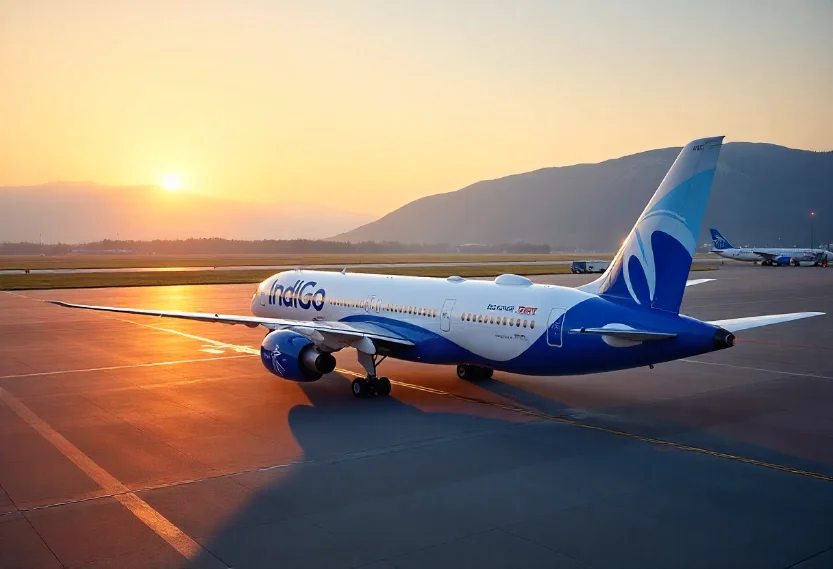
Norway’s strategic partnership with India’s largest airline, IndiGo, is catalyzing a historic transformation in the South Asian carrier’s global trajectory. With the lease of Boeing 787 Dreamliner aircraft from Norway-based Norse Atlantic Airways, IndiGo has initiated direct long-haul services to Manchester and Amsterdam, setting the stage for an ambitious international expansion that could redefine India’s footprint in global aviation.
Norway’s Role in Empowering IndiGo’s Global Leap
The Norwegian contribution to IndiGo’s transformation is far more than a leasing agreement—it’s a strategic enabler. Norse Atlantic’s Dreamliners, configured for long-haul operations, are the cornerstone of IndiGo’s foray into wide-body flying. This operational shift not only enables direct connectivity to Europe but also provides IndiGo with critical hands-on experience in managing long-haul routes ahead of its own aircraft deliveries.
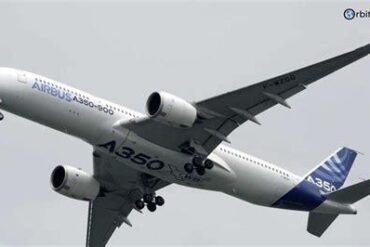
These leased aircraft represent the first-ever wide-body deployment in IndiGo’s eighteen-year history, highlighting a calculated but bold departure from its historically narrow-body, short-to-medium-haul business model. This foundational step lays the groundwork for a fleet modernization strategy that includes the upcoming induction of Airbus A321XLR and A350-900 aircraft—jets that will open doors to markets previously out of reach.
IndiGo’s Strategic Expansion Plan: From Domestic Leader to Global Challenger
IndiGo’s newly charted international roadmap is underpinned by a three-pronged strategy: aircraft acquisition, infrastructure development, and network expansion. According to its 2024–25 annual report, the airline aims to elevate international capacity to 40% of total operations by 2030, up from its current domestic dominance.
The phased acquisition of long-range aircraft is central to this transformation:
- Airbus A321XLR, arriving by fiscal year ending March 2026, will empower IndiGo to serve thin long-haul routes with narrow-body economics.
- Airbus A350-900, expected in fiscal 2026–27, will serve high-density, ultra-long-haul sectors with elevated passenger comfort and fuel efficiency.
These aircraft will enable direct service between Indian hubs and key global cities across Europe, Southeast Asia, East Asia, and eventually Australia and Africa, unlocking value in routes that were once considered commercially unviable due to range or payload restrictions.
Launch of Long-Haul Services: First Steps Into Europe
In July 2025, IndiGo inaugurated its first Dreamliner-operated flights to Manchester and Amsterdam, marking a turning point in the airline’s operational history. These new European routes are not only high-profile destinations but also critical testbeds for IndiGo’s ability to scale internationally without compromising its low-cost DNA.
The timing is significant. Rising outbound travel demand from India, growing Indian diaspora communities across Europe, and a spike in direct connectivity preferences post-pandemic have aligned to create a window of opportunity. IndiGo’s early entry—enabled by Norwegian support—gives it a first-mover advantage among Indian low-cost carriers exploring global markets.
Building Operational Depth: MRO Facility in Bengaluru
Recognizing that fleet expansion alone is insufficient without backend strength, IndiGo is constructing a comprehensive MRO (Maintenance, Repair, and Overhaul) hub in Bengaluru. This facility, when complete, will be critical in ensuring:
- Lower maintenance costs
- Higher aircraft availability
- Operational self-sufficiency
More importantly, the MRO center is envisioned as a regional hub capable of servicing third-party aircraft, thereby generating ancillary revenue streams and enhancing India’s capabilities in aviation engineering services. This aligns with India’s broader goal of becoming a global aviation services hub.
Solid Domestic Base Anchors Global Aspirations
IndiGo’s global pivot is rooted in the strength of its domestic dominance. Holding a 64.5% share of India’s domestic aviation market, the airline operates over 2,200 daily flights with a fleet of 430+ aircraft, primarily from the Airbus A320 family. This extensive domestic presence not only ensures steady revenue but also offers deep network interconnectivity for international feeder traffic.
The scale of operations within India serves as a launchpad for international growth, allowing IndiGo to replicate its hub-and-spoke efficiencies on a larger scale. With key Indian metros like Delhi, Mumbai, and Bengaluru serving as international gateways, the airline is well-positioned to compete both on pricing and on network breadth.
Anticipated Benefits of Fleet Diversification
The dual fleet strategy—deploying A321XLRs for medium and thin long-haul and A350s for trunk international routes—provides IndiGo with unprecedented flexibility:
- The A321XLR will revolutionize access to cities in Central Asia, Eastern Europe, and Southeast Asia. Its extended range and fuel efficiency are tailored for markets where wide-body jets are uneconomical.
- The A350-900, by contrast, positions IndiGo to challenge legacy full-service carriers on routes exceeding 8 hours in duration, with better unit economics and higher cabin comfort.
Together, these aircraft types will allow IndiGo to match route supply with demand patterns more precisely—delivering the right aircraft on the right route at the right time.
Unlocking New Revenue Streams and Services
IndiGo’s transformation isn’t limited to network and fleet. The airline is exploring adjacent business opportunities that support its core operations:
- Engineering services via its MRO center
- Pilot and technician training academies to support rapid scaling
- Dedicated cargo operations to capitalize on India’s rising air freight market
These auxiliary ventures will both de-risk the airline’s business model and further entrench it as a holistic aviation brand with multiple revenue pillars.
India’s Aviation Renaissance and IndiGo’s Pivotal Role
IndiGo’s global pivot mirrors the broader trajectory of India’s aviation sector. Rising middle-class incomes, the government’s UDAN regional connectivity scheme, and an expanding diaspora have fueled a sharp increase in air travel demand.
With the Indian market projected to become the third-largest in global aviation by the end of this decade, IndiGo’s transformation is not just timely—it’s inevitable. The push for non-stop international connectivity, especially among business travelers and diaspora populations, aligns perfectly with IndiGo’s expansion.
Moreover, as international markets reopen and slot allocations reset post-pandemic, IndiGo has a narrow but powerful window of opportunity to secure profitable international corridors.
Conclusion: Strategic Vision Meets Executional Rigor
Norway’s support via Norse Atlantic’s Dreamliner lease is just the first domino in a larger sequence of strategic moves that could reshape IndiGo into one of the world’s most efficient, long-haul-capable low-cost carriers. With meticulous planning, fleet modernization, and infrastructure development well underway, IndiGo is poised not merely to participate in global aviation—but to lead a new wave of low-cost, long-haul connectivity out of India.
As the 2030 target for 40% international operations approaches, every leased aircraft, every route launch, and every new facility built is a calculated step toward global prominence. Norway’s role as the catalyst will be remembered not just as a business deal, but as the spark that helped India’s most dominant carrier spread its wings across continents.