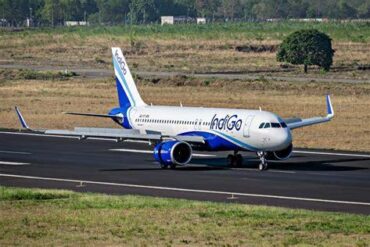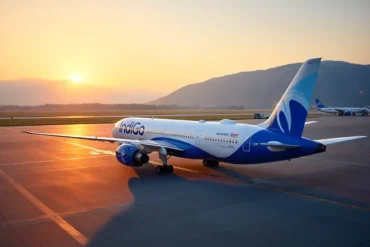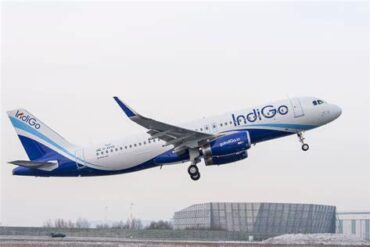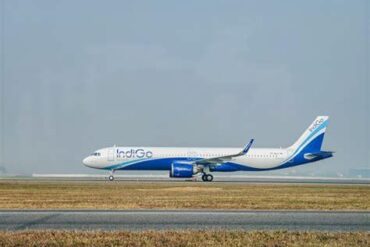
In a bold move that signals a dramatic shift in strategy, IndiGo, India’s largest airline by market share, is preparing to launch long-haul Boeing 787 Dreamliner flights to London within the next year. This significant development marks the low-cost carrier’s most ambitious push yet into international markets, specifically into the premium, long-haul sector traditionally dominated by legacy airlines like Air India. With the lease of six Boeing 787 aircraft from Norse Atlantic Airways, IndiGo aims to radically transform its footprint on the global aviation map.
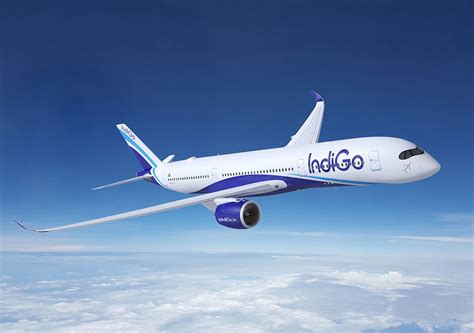
IndiGo’s Transformation: From Domestic Giant to Global Contender
IndiGo already commands a staggering 60% of India’s domestic air travel market, a dominance unmatched by any other carrier in the country. With more than 1.8 million international passengers flown in Q4 last year, the carrier stands on the brink of overtaking Air India as the top Indian player on international routes. Now, with infrastructure improvements underway across major Indian airports and soaring travel demand, IndiGo sees the opportunity to extend its operational empire overseas.
According to CEO Pieter Elbers, “There is an enormous opportunity in Indian aviation where rising demand is supported by infrastructure expansion.” The airline’s pivot toward long-haul international service is not just a strategic expansion; it’s a necessity in a maturing market where further domestic growth is nearing saturation.
Strategic Entry Points: London, Copenhagen, and Athens in the Crosshairs
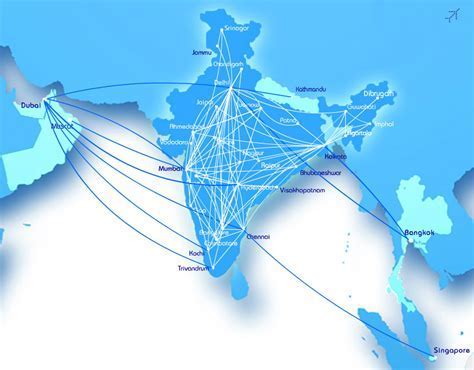
The initial wave of IndiGo’s international expansion will see Boeing 787 Dreamliners serving Singapore, Dubai, and Phuket, with routes beginning later this year. More crucially, the airline has publicly confirmed its intent to launch services to London, with Copenhagen and Athens also on the roadmap. These cities represent high-demand, underutilized routes where low-cost long-haul options remain scarce.
While IndiGo has yet to announce the precise Indian hubs for these flights, Delhi and Mumbai are likely frontrunners, given their existing infrastructure, market size, and global connectivity. These new long-haul destinations are a calculated strike at legacy carriers, aiming to lure both price-conscious travelers and premium passengers with business class offerings.
Boeing 787 Dreamliner: The Backbone of IndiGo’s Long-Haul Push
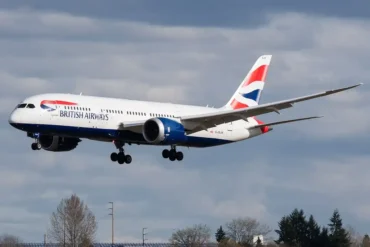
The Boeing 787 Dreamliner, renowned for its fuel efficiency, long-range capabilities, and passenger comfort, is central to IndiGo’s long-haul strategy. By leasing six Dreamliners from Norse Atlantic Airways, the airline avoids the capital-heavy investment of immediate aircraft purchase while gaining access to aircraft that can fly more than 7,500 nautical miles non-stop.
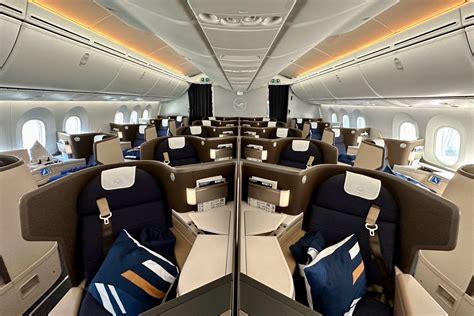
These Dreamliners are expected to feature business class seating, a departure from IndiGo’s traditional all-economy configuration and a sign that the carrier is prepared to cater to premium travelers in competitive markets like London. The introduction of a business cabin reflects an evolution in the airline’s branding—from a no-frills domestic operator to a serious international player.
Rivalry With Air India Intensifies
IndiGo’s strategic push comes at a time when Air India is undergoing a major transformation under Tata Group ownership, including a massive fleet modernization program. While Air India remains synonymous with long-haul flights from India, its reputation has been marred by inconsistent service and aging aircraft.
IndiGo’s entry into the long-haul market with newer aircraft and potentially lower fares could disrupt the monopoly that Air India has long enjoyed on Europe-bound traffic. In fact, the low-cost carrier’s entry into London—the crown jewel of European destinations from India—sets the stage for a head-to-head battle for the Indian diaspora and Western travelers alike.
The Risk of Low-Cost Long-Haul: Lessons From the Past
Low-cost long-haul is a notoriously difficult model to execute profitably. Norwegian Air Shuttle attempted a similar approach by operating budget transatlantic flights but ultimately failed, succumbing to high costs and thin margins. Azul, a Brazilian carrier, faced similar turbulence and filed for bankruptcy after attempting international growth.
However, IndiGo’s position is fundamentally different. With a massive domestic feeder network, minimal debt, and cost-efficient operations, the airline is better equipped to absorb the challenges of scaling long-haul services. Moreover, India’s aviation market is structurally unique—it combines an affluent diaspora with skyrocketing outbound travel demand, creating fertile ground for this expansion.
Eye on the Future: Airbus A350s on Order
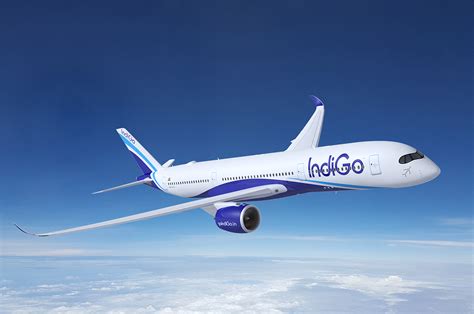
Beyond the leased Dreamliners, IndiGo has a long-term vision for its international portfolio. The airline holds firm orders for 30 Airbus A350-900 aircraft, one of the most advanced long-haul jets on the market. These aircraft are expected to gradually replace the leased Boeing 787s as the airline gains confidence and experience in operating intercontinental routes.
The A350-900, with its ultra-long range and fuel-efficient Rolls-Royce engines, will allow IndiGo to connect even more distant cities—such as New York, Toronto, or Melbourne—without stopovers. This marks a definitive step away from the traditional low-cost, short-haul playbook and positions IndiGo as a hybrid carrier, blending cost-efficiency with network depth and premium amenities.
Infrastructure, Maintenance, and Market Readiness
To support its international growth, IndiGo has signed strategic agreements with key Indian airports, including those in Delhi, Mumbai, Bengaluru, and Hyderabad. These agreements focus on expanding maintenance, repair, and overhaul (MRO) capabilities, as well as improving turnaround times and ground handling for long-haul aircraft.
This domestic groundwork is vital. One of the main bottlenecks to scaling long-haul services is ground operations—especially at congested airports. By locking in support infrastructure now, IndiGo ensures that its upcoming London service and other routes won’t suffer the delays and disruptions that plagued other start-up long-haul carriers.
Market Timing and Global Outlook
The timing of this expansion aligns with a sharp rebound in global travel demand. Post-pandemic travel patterns show a renewed interest in direct, nonstop flights from secondary Indian cities to global hubs, something IndiGo is uniquely positioned to deliver. Moreover, with rising disposable incomes in India and relaxed visa regimes in Europe, the conditions are ideal for IndiGo to scale.
European hubs like London Heathrow, Copenhagen, and Athens are also actively seeking to diversify their route networks, especially after losing connectivity during the pandemic. IndiGo’s entry provides them with much-needed traffic from one of the world’s fastest-growing outbound markets.
A Calculated Leap Forward
IndiGo’s decision to launch long-haul flights to London using Boeing 787 aircraft is far more than an experimental trial—it’s a strategic leap forward into the premium global travel arena. By entering London, the airline challenges entrenched legacy carriers, targets high-margin customers, and signals its readiness to become a global force.
Success is not guaranteed, and history shows that the low-cost long-haul model is fraught with challenges. But IndiGo’s sheer scale, operational discipline, and deep understanding of the Indian traveler give it an edge that many of its predecessors lacked.
If the airline can maintain its low-cost ethos while enhancing its service offerings, the Dreamliner flights to London may not just represent a new chapter for IndiGo—they may redefine what long-haul travel from India looks like in the years to come.