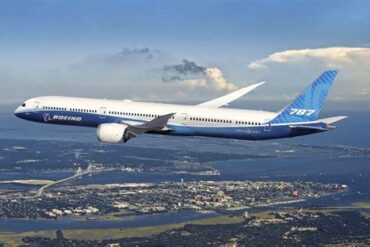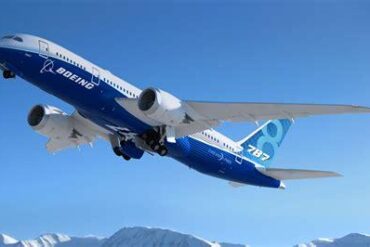
The modern aviation industry is defined by a relentless pursuit of efficiency, where every incremental improvement compounds into billions of dollars saved and millions of tons of emissions reduced. At the center of this transformation stands the Boeing 787 Dreamliner, an aircraft engineered not as a single breakthrough, but as a symphony of interconnected innovations. Cruising effortlessly at roughly 500 miles per hour, it achieves fuel efficiency levels that once seemed unattainable for widebody jets.
What makes this aircraft remarkable is not just its speed or range, but the way it redefines how energy is managed in flight. Unlike legacy aircraft that rely on brute engine power and incremental aerodynamic tweaks, the 787 approaches efficiency as a system-wide philosophy. Every component—from its electrical systems to its wings—works in precise harmony to minimize fuel burn.
Understanding how this aircraft maintains such efficiency requires moving beyond the obvious talking points. Composite materials and advanced engines are only part of the story. The real advantage lies in how these technologies integrate into a unified, intelligent design that extracts maximum performance from every drop of fuel.

The Bleedless Electrical Revolution: Unlocking Pure Engine Efficiency
One of the most radical engineering decisions behind the 787 was the elimination of traditional pneumatic systems. In older aircraft, engines are forced to divert high-pressure air—known as bleed air—to power essential onboard systems such as cabin pressurization, anti-icing, and hydraulics. This process, while effective, comes at a cost: it robs the engine of valuable energy that could otherwise be used for thrust.
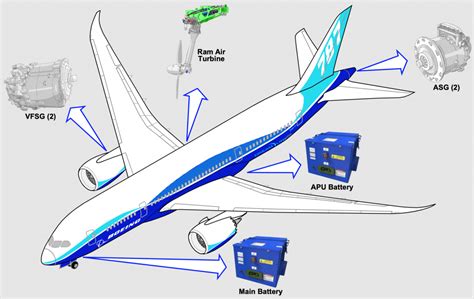
The 787 discards this concept entirely. Instead, it adopts a fully electric architecture powered by advanced generators and motor-driven compressors. By doing so, the engines are freed from the burden of supplying bleed air, allowing them to operate closer to their optimal thermodynamic efficiency.
This shift produces a cascade of benefits. Engines respond faster, maintain steadier output, and consume less fuel during cruise. Pilots often notice improved throttle responsiveness, a subtle but critical advantage when managing long-haul flights. The removal of pneumatic ducting also reduces structural complexity and weight, further enhancing efficiency.
In practical terms, this means the engines—whether supplied by General Electric or Rolls-Royce—can focus almost entirely on generating thrust. It’s a deceptively simple idea with profound implications: stop wasting energy, and efficiency follows naturally.
Aerodynamic Mastery: Wings That Redefine Efficiency
While many aircraft rely on winglets to reduce drag, the 787 takes a different path. Its elegantly swept, raked wingtips extend outward in a smooth, continuous line, increasing the wing’s effective span without introducing the structural penalties of vertical extensions.
This design directly targets one of aviation’s greatest inefficiencies: induced drag. As an aircraft generates lift, vortices form at the wingtips, creating resistance that the engines must overcome. By refining the wing’s shape and extending its span, the 787 minimizes these vortices, reducing drag significantly.
But the innovation doesn’t stop at shape. The wings themselves are highly flexible, capable of bending upward dramatically during flight. This flexibility allows them to adapt dynamically to aerodynamic forces, maintaining smoother airflow across the surface.
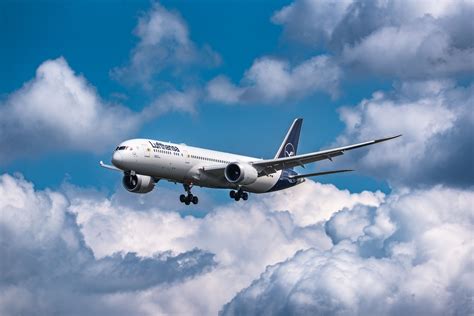
The result is a wing that behaves less like a rigid structure and more like a living component, constantly adjusting to optimize lift and minimize resistance. This continuous adaptation reduces the amount of thrust required to sustain cruise speed, directly lowering fuel consumption over long distances.
Advanced Flight Management: Real-Time Optimization at 35,000 Feet
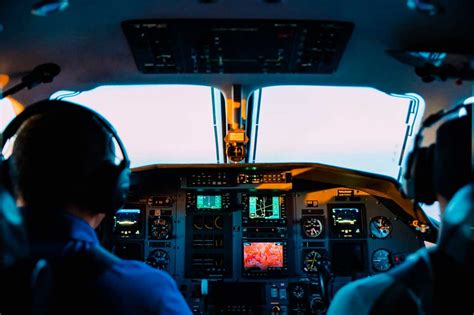
Behind the cockpit displays lies one of the most sophisticated flight management systems ever deployed in commercial aviation. This system does far more than guide the aircraft from departure to destination—it actively manages energy in real time.
Using a combination of atmospheric data, aircraft weight, and route constraints, the system continuously calculates the most efficient speed and altitude. Instead of reacting to changes, it anticipates them, adjusting parameters proactively to maintain optimal performance.
A standout feature is the aircraft’s ability to maintain a stable energy state. Traditional jets often experience “throttle hunting,” where engines repeatedly adjust power to maintain speed. The 787 minimizes this inefficiency by predicting necessary changes in advance, allowing for smoother, more consistent thrust levels.
Equally impressive is its gust alleviation system. Sensors detect turbulence before it impacts the aircraft, and control surfaces adjust automatically to counteract it. While passengers experience a smoother ride, the real advantage lies in preserving momentum. By avoiding unnecessary altitude and speed fluctuations, the aircraft eliminates the need for corrective thrust—saving fuel in the process.
Fiber Optics and Weight Reduction: Cutting the Invisible Burden
Weight is the silent enemy of efficiency. Every additional pound requires more lift, which in turn demands more thrust and fuel. Traditional aircraft carry miles of copper wiring, adding significant weight and complexity.
The 787 replaces much of this with a fiber optic network, transmitting data using light rather than electrical signals. This approach offers two critical advantages: dramatically reduced weight and vastly increased data transmission speed.
By integrating decentralized computing nodes throughout the aircraft, the system minimizes the need for extensive wiring runs. Data is processed closer to its source and transmitted efficiently across the network. The result is a lighter, faster, and more reliable system that contributes directly to overall efficiency.
This might seem like a minor detail, but in aviation, small savings add up quickly. Removing thousands of pounds from the aircraft translates into measurable reductions in fuel burn across every flight.
Continuous Descent Operations: Efficiency All the Way to the Runway
Fuel efficiency doesn’t end at cruising altitude. The descent phase of flight presents a critical opportunity to conserve energy, and the 787 is uniquely optimized to capitalize on it.
Traditional descent profiles involve a series of step-downs, where the aircraft levels off at multiple altitudes, requiring bursts of engine power to maintain speed. This approach burns unnecessary fuel, particularly in dense lower atmosphere.
The 787 instead excels at continuous descent approaches (CDA). In this mode, the aircraft glides smoothly from cruise altitude to the runway in a single, uninterrupted path. Engines remain near idle, and the aircraft uses its aerodynamic efficiency to maintain speed.
This technique transforms descent into a low-energy glide rather than a power-intensive maneuver. The benefits are substantial: reduced fuel consumption, lower noise levels, and a smaller environmental footprint.
The precision required for such descents is enabled by the aircraft’s advanced avionics, which calculate the exact trajectory needed to reach the runway without additional thrust. It’s a perfect example of how software and aerodynamics combine to deliver real-world efficiency gains.
Engine Technology: High-Bypass Efficiency at Its Peak
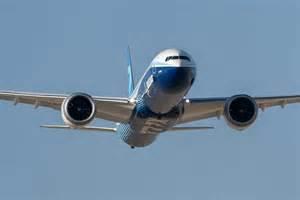
While much attention is given to systems and aerodynamics, the engines themselves remain a cornerstone of the 787’s efficiency. Both engine options feature high-bypass turbofan designs, where a large volume of air bypasses the core, generating thrust more efficiently.
These engines are optimized for long-haul cruise conditions, delivering consistent performance with minimal fuel consumption. Advanced materials and cooling techniques allow them to operate at higher temperatures, improving thermal efficiency without compromising durability.
The synergy between engine design and the aircraft’s bleedless architecture amplifies these benefits. With no need to divert energy for onboard systems, the engines can maintain steady, efficient operation throughout the flight.
A Holistic Approach: The Power of Integrated Design
What truly sets the 787 apart is not any single innovation, but the way all these elements interact. The electrical systems reduce engine load. The wings minimize drag. The avionics optimize flight paths. The lightweight structure lowers overall energy requirements.
Individually, each improvement might seem incremental. Together, they create a step change in efficiency that redefines what is possible for long-haul aviation.
This holistic approach allows airlines to operate routes that were previously uneconomical, connecting cities directly without relying on traditional hub-and-spoke models. The result is not just lower costs, but a more flexible and resilient global air network.
Economic and Environmental Impact: Efficiency That Scales
The implications of the 787’s efficiency extend far beyond engineering. Lower fuel consumption translates directly into reduced operating costs, enabling airlines to offer competitive fares while maintaining profitability.
At the same time, reduced fuel burn means lower carbon emissions, addressing one of the aviation industry’s most pressing challenges. With environmental regulations tightening worldwide, the ability to operate more sustainably is no longer optional—it is essential.
The 787 demonstrates that efficiency and performance are not mutually exclusive. By leveraging advanced technology and intelligent design, it achieves both, setting a new standard for future aircraft.
The Blueprint for the Future of Aviation
The innovations pioneered by the 787 are already influencing the next generation of aircraft. Concepts such as bleedless systems, advanced aerodynamics, and integrated avionics are becoming the foundation for future designs.
As the industry explores new propulsion methods, including hybrid and hydrogen systems, the lessons learned from the 787 will remain highly relevant. Efficiency is no longer about isolated breakthroughs—it is about integration, optimization, and precision.
In this sense, the 787 is more than just an aircraft. It is a blueprint for how modern aviation can evolve to meet the demands of a changing world.
Conclusion: Precision Engineering at 500 Miles Per Hour
At cruising speed, the Boeing 787 Dreamliner represents the culmination of decades of engineering progress. Its ability to maintain exceptional fuel efficiency at 500 miles per hour is not the result of a single innovation, but the product of relentless refinement across every system.
From its electric architecture to its adaptive wings and intelligent flight management, every aspect of the aircraft is designed to eliminate waste and maximize performance. The result is a machine that transforms energy into motion with extraordinary precision.
This is what modern aviation looks like: not louder, not faster, but smarter.