Flying overnight can be a daunting experience for those who suffer from sinus pressure and congestion. Without proper management, the pain from blocked sinuses can make an overnight flight unbearable, particularly when sleep is crucial for commitments the following day. In this article, we explore the most effective decongestant options and supportive measures for overnight flights, ensuring a smoother, more restful journey.
Why Sinus Congestion Worsens During Flights
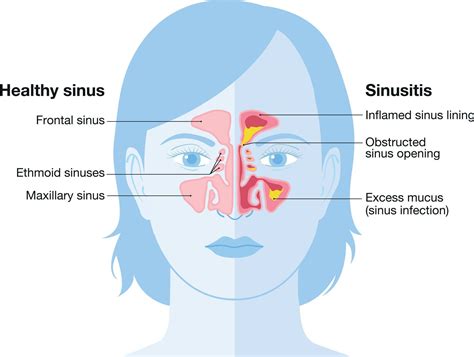
Air travel exposes passengers to low cabin pressure and dry air, both of which exacerbate existing nasal and sinus issues. When the aircraft ascends or descends, rapid pressure changes occur. A healthy sinus system naturally equalizes this pressure, but if the sinus passages are congested or inflamed, it becomes difficult, leading to pain, headaches, and severe discomfort.
The pain typically manifests in the forehead, behind the eyes, and around the cheekbones, severely impacting the ability to rest during an overnight flight.
Popular Decongestant Choices for Overnight Flights
Selecting the right decongestant for an overnight flight is critical, especially when sleep is a priority. Let us examine the top options based on efficacy and safety.
Pseudoephedrine (Sudafed)
Pseudoephedrine, found behind the pharmacy counter, remains the gold standard for sinus pressure relief during flights. It effectively shrinks swollen nasal passages, allowing better airflow and pressure equalization. However, a significant drawback is its tendency to induce insomnia, making it less suitable for overnight flights unless combined with a sedative antihistamine.
While pseudoephedrine excels at decongestion, travelers who are sensitive to stimulants or who require immediate sleep post-boarding may find it counterproductive.
Oxymetazoline Nasal Sprays (Afrin)
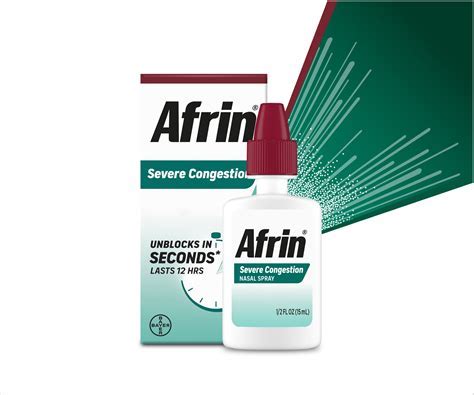
Afrin, a topical decongestant spray containing oxymetazoline, offers an effective and often preferable alternative for short-term use. It acts rapidly, providing substantial relief within minutes without systemic stimulant effects, which means it is unlikely to interfere with sleep patterns.
Many seasoned travelers recommend Afrin for its ability to clear nasal passages before takeoff and landing, thereby avoiding painful pressure build-up. Importantly, Afrin should be used strictly according to guidelines—no more than three consecutive days—to avoid rebound congestion, where nasal swelling worsens once the medication wears off.
Saline Nasal Sprays
For travelers who prefer to avoid medicated sprays, saline nasal sprays offer a gentle solution. They hydrate and cleanse the nasal passages, helping to alleviate mild congestion caused by dry cabin air. Saline sprays lack the potent decongestant properties needed for severe sinus issues but can complement other therapies effectively.
Saline irrigation before and after flights can also reduce the risk of post-flight respiratory infections and ease the recovery from minor congestion.
Managing Congestion Without Stimulating Insomnia
An ideal strategy for an overnight flight balances effective decongestion with minimal sleep disruption. Several methods have proven successful:
- Combining Decongestants and Antihistamines: Some travelers combine a decongestant with a first-generation antihistamine like diphenhydramine (Benadryl), which can offset the insomnia side effect by inducing drowsiness. This combination should be approached cautiously and ideally under a doctor’s guidance.
- Topical Decongestants Over Oral: Relying on a spray like Afrin over oral decongestants significantly reduces systemic side effects, including insomnia.
- Pre-Flight Preparation: Using a steroid nasal spray like Flonase (fluticasone) days before travel can reduce baseline inflammation, making the nasal passages less prone to blockages when flying.
Caution: The Risks of Overusing Nasal Sprays
While Afrin and similar sprays offer immediate relief, their potential for addictive use is real. Extended or repeated use beyond three days can cause rhinitis medicamentosa, a condition where the nasal passages become perpetually swollen without the spray. The cycle of congestion and dependence is difficult to break once established.
Therefore, travelers should:
- Limit use to one or two doses within a 24-hour window.
- Avoid using topical sprays unless absolutely necessary.
- Prepare alternative methods, like oral antihistamines or saline sprays, to support sinus health without risking dependence.
Special Considerations: Underlying Sinus Conditions
For individuals who experience severe or chronic pressure during flights, underlying conditions such as sinus polyps, chronic sinusitis, or deviated septum may be responsible. Consulting with an ENT specialist is crucial, as surgical interventions or long-term management plans could significantly improve quality of life during travel.
Some travelers have reported transformative results after undergoing sinus surgery, leading to an end of flight-related sinus pain permanently.

Practical Packing Tips for Decongestant Use
When preparing for an overnight flight, it’s wise to pack strategically:
- Carry-on Friendly Size: Ensure all sprays or liquids are TSA-compliant, typically under 3.4 oz (100ml).
- Liquid Bag Placement: Place nasal sprays with other liquids in the security screening bag to avoid delays.
- Backup Options: Bring saline sprays as backups in case medicated sprays dry out nasal passages excessively.
- Medication Documentation: For prescription-strength decongestants like real Sudafed, carrying a copy of the prescription can smooth over any potential security issues.
Additional Non-Medication Tips to Minimize Sinus Pain
Beyond medication, several lifestyle adjustments can improve in-flight comfort:
- Stay Hydrated: Dry cabin air can exacerbate sinus congestion. Drinking water regularly can keep mucous membranes moist.
- Avoid Alcohol and Caffeine: Both substances can cause dehydration, worsening sinus symptoms.
- Use Breathe-Right Nasal Strips: These mechanically open nasal passages without medication.
- Ear Pressure Management: Devices like EarPlanes can help regulate pressure changes during ascent and descent.
Conclusion: Choosing the Right Decongestant for an Overnight Flight
Successfully managing sinus congestion during an overnight flight demands a careful balance between effective decongestion and preserving the ability to sleep. For many, Afrin emerges as a practical choice, offering potent relief without systemic stimulant effects. However, caution against overuse must be heeded.
Meanwhile, for travelers needing longer-term relief, a combination of nasal steroids, antihistamines, and proper hydration strategies may offer a gentler, sustainable approach.
Ultimately, consulting with a healthcare provider to develop a tailored pre-flight and in-flight management plan ensures the safest and most comfortable experience possible.
Choosing the right decongestant for an overnight flight could be the difference between a restful journey and an exhausting ordeal. Make preparations carefully, act early, and prioritize both sinus health and quality rest for a successful trip.