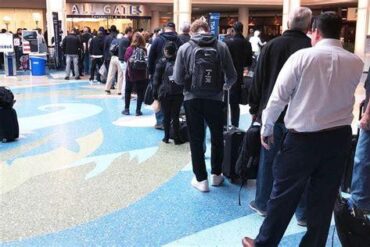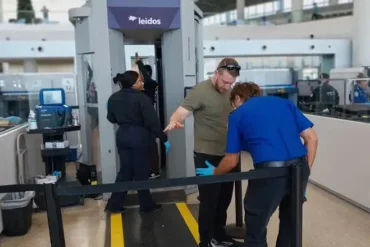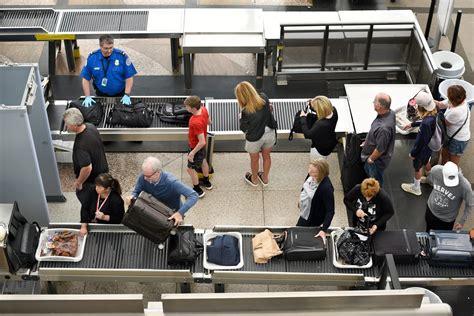
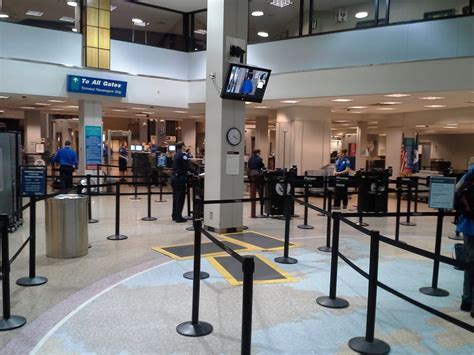
Every seasoned traveler knows the moment of dread when the taxi pulls up to the terminal and a massive TSA line snakes out the door. The United States, with its expansive air travel network and soaring passenger numbers, is no stranger to security bottlenecks. But some airports consistently rank worse than others when it comes to TSA wait times — often because of outdated infrastructure, staffing shortages, or poor planning.
As summer travel peaks in 2025, understanding where delays are most likely — and how to avoid them — can be the difference between a smooth journey and a missed flight.
Newark Tops the List With the Longest Average TSA Wait
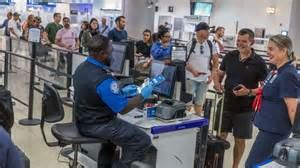
At the top of the list is Newark Liberty International Airport (EWR). With an average TSA wait time of 23.1 minutes, Newark has become synonymous with long lines and traveler frustration. However, what makes Newark particularly problematic is its peak-hour chaos. On Mondays from 12:00 to 13:00, travelers can wait up to an hour — making it the worst single-hour delay in the nation.
The factors contributing to this aren’t a mystery. Newark is a major international gateway, and its legacy terminals were not designed for post-9/11 security requirements or the surge in air travel seen in the 2020s. Limited space for multiple security lanes and outdated layouts restrict how efficiently the TSA can process passengers.
Other Airports With Painfully Long TSA Lines
Second on the list is George Bush Intercontinental Airport (IAH) in Houston. Though slightly better than Newark, the average wait still sits at 19.8 minutes, with the worst delays occurring on Sundays from 17:00 to 18:00 — peaking at 51 minutes. Close behind is Miami International Airport (MIA) at 19.6 minutes average, especially bad on Thursdays at dawn.
Baltimore-Washington International (BWI) follows with an 18.2-minute average. Las Vegas’ Harry Reid International (LAS) stands at 17.3 minutes, plagued by influxes of leisure travelers. LaGuardia (LGA), Atlanta Hartsfield-Jackson (ATL), Seattle-Tacoma (SEA), and both JFK and San Francisco International Airport (SFO) close out the top ten with wait times hovering between 16 and 17 minutes.
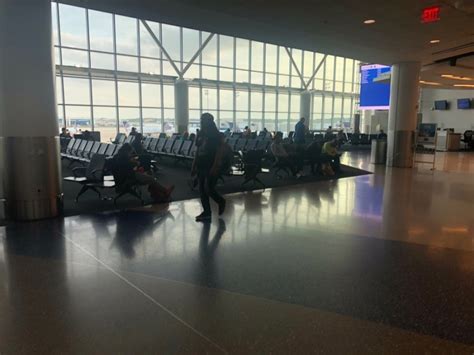
What Makes These Airports So Slow?
Long lines aren’t just a function of passenger volume. There’s a confluence of factors that exacerbate TSA wait times at certain hubs. Among the primary issues:
- Aging terminal designs: Many U.S. airports were constructed long before current security protocols were implemented. These older layouts can’t accommodate modern passenger volumes or the necessary screening infrastructure.
- TSA staffing shortages: A chronic problem made worse by political disruptions. During the U.S. government shutdown in late 2024, TSA warned of a diminished workforce, with only 59,000 of the 62,000 essential workers available — many working without pay.
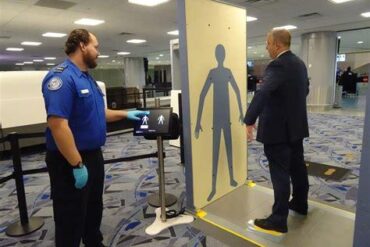
- Passenger behavior: Unfamiliarity with TSA rules contributes to delays. Travelers — especially international visitors or infrequent flyers — often forget to remove electronics, wear inappropriate footwear, or attempt to carry prohibited items. This slows the line for everyone.
In short, both systemic issues and individual traveler preparedness contribute to the bottlenecks.
Airports With the Shortest TSA Wait Times
Not all U.S. airports are mired in inefficiency. Salt Lake City International Airport (SLC) leads the nation with the shortest average TSA wait time of just 9.1 minutes. On Wednesdays from 18:00 to 19:00, that drops to a near-invisible 2 minutes.
Following SLC is Washington Dulles International (IAD) with an average of 10.5 minutes. Despite being a major hub, its spacious layout allows TSA to process passengers efficiently. Boston Logan (BOS) averages 10.6 minutes, while Minneapolis-St. Paul (MSP) and Charlotte Douglas (CLT) round out the top five with averages just above 13 minutes.
Summer Travel Surge Pushes TSA to Breaking Point
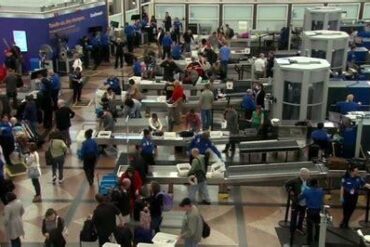
This year has seen record-breaking TSA traffic. In late June, TSA processed 3.1 million passengers in a single day — the busiest in its history. Over the next week, it claimed several of its top ten busiest days ever. The Fourth of July weekend alone pushed staff and equipment to the limit.
According to Acting TSA Administrator Ha Nguyen McNeill, the agency has been adapting: “We continue to work closely with our industry partners and ensure our airport security checkpoints are fully staffed and prepared to handle the heavy rush of traffic. We’ve been deploying new technologies and procedures to improve security and enhance the passenger experience, especially for families.”
Yet despite these measures, passenger volumes are outpacing infrastructure improvements. One unexpected factor behind the surge? A drop in airfare. In 2025, airlines slashed ticket prices by 7.4% compared to 2024, prompting a flood of new bookings.
How to Minimize TSA Delays as a Traveler
While airport architecture and federal staffing decisions are beyond your control, there are still ways to reduce your personal wait time at the checkpoint:
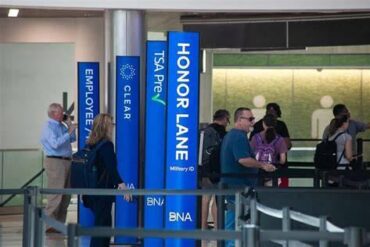
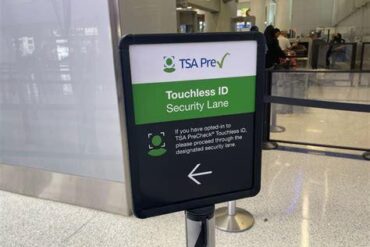
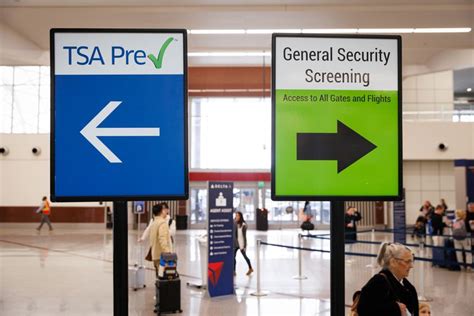
- Enroll in expedited programs: TSA PreCheck, CLEAR, and Global Entry significantly shorten the wait by allowing eligible travelers to bypass certain steps. PreCheck alone can reduce wait times by over 70% at some airports.
- Know the peak times: Newark’s Mondays at noon and Houston’s Sunday evenings are just two examples. Research your airport’s busiest periods in advance to avoid them.
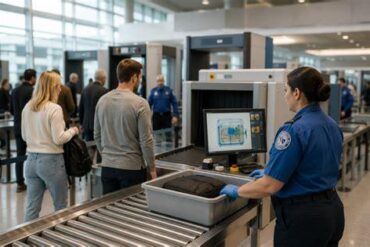
- Follow TSA guidelines: Have your electronics and liquids ready for inspection, wear slip-on shoes, and avoid prohibited items. A well-prepared traveler is a fast-moving traveler.
- Pack strategically: Keep essential items in accessible locations. Avoid overstuffed bags that slow down X-ray machines or require secondary screening.
- Consider TSA Cares: This program provides assistance for travelers with disabilities, medical conditions, or young children. According to former TSA employee Caleb Harmon-Marshall, it can even get you to the front of the line in some cases.
Should You Still Arrive 3 Hours Early?
The old rule of thumb — arrive three hours before an international flight, two for domestic — is being re-evaluated by travelers seeking efficiency. But in a post-pandemic, peak-season environment, it might be wise to stick with the traditional timeline, especially when flying from problem airports.
Missing a flight due to long TSA lines often results in rebooking fees, lost accommodations, and a major dent in your itinerary. Arriving early remains the simplest way to avoid disaster — particularly when navigating airports like Newark or Miami.
What the Future Holds for TSA Security Lines
The TSA is actively pursuing long-term solutions to its line woes. Among the initiatives underway:
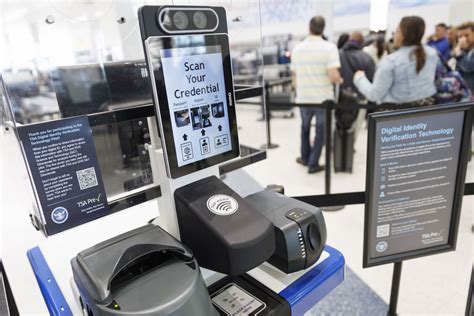
- Biometric screening and facial recognition, which speeds up identification and processing.
- More CT scanners that allow laptops and liquids to remain in bags.
- New hiring and retention strategies to combat labor shortages.
Still, airport redesigns and expansion projects can take years. Until then, the best defense is preparation, awareness, and a willingness to invest in programs that get you through the line faster.
Conclusion: The High Price of Delay
TSA wait times aren’t just an inconvenience — they represent a real cost in time, stress, and sometimes missed opportunities. From Newark’s painful Monday queues to the efficient corridors of Salt Lake City, every airport tells a different story. But whether you’re traveling for business, family, or pleasure, arriving informed is your best defense.
Air travel isn’t just about getting to your destination anymore. It starts at security. And knowing where — and when — to move through it can make all the difference.