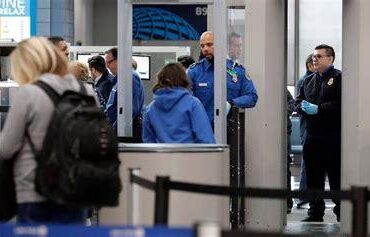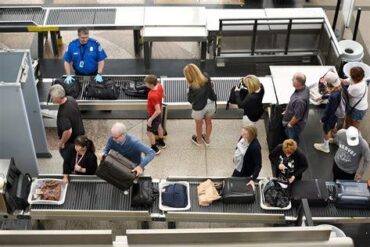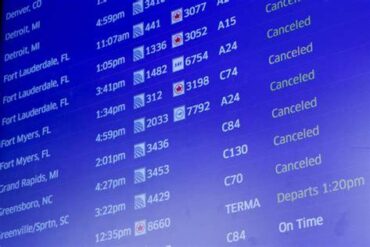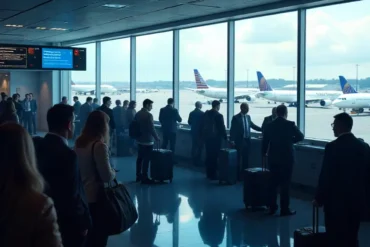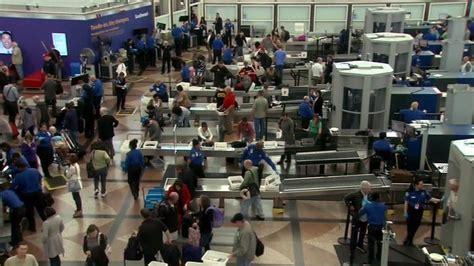
Air travel across the United States is grinding into chaos as severe Transportation Security Administration (TSA) staffing shortages collide with one of the busiest travel seasons of the year. At multiple major airports, passengers are encountering security lines stretching for hours—sometimes so long they extend into parking structures and terminal entrances. In some cases, frustrated travelers report that airport staff have effectively told them to “figure it out” as overwhelmed checkpoints struggle to process the crowds.
The disruption stems from a federal funding lapse tied to a government shutdown, which has left tens of thousands of TSA officers working without pay. As weeks pass without paychecks, attendance has fallen sharply, leaving critical security checkpoints understaffed. The result is a national bottleneck that threatens to delay flights, derail travel plans, and expose the fragile infrastructure supporting American air travel.
Security checkpoints—normally engineered for speed and efficiency—are now becoming choke points. Travelers who once expected to clear screening in under an hour are finding themselves stalled in winding lines that move at a crawl.
A Shutdown That Hit Airport Security First
The crisis began when Congress failed to approve funding for the Department of Homeland Security (DHS), the agency that oversees the TSA. Roughly 50,000 TSA officers have continued reporting for duty even though they have not been paid since mid-February. Working without compensation has pushed the workforce to a breaking point.
As paychecks vanished, callouts surged. Some airports have reported that up to half of scheduled officers failed to report for shifts, creating enormous staffing gaps at security checkpoints. With fewer agents operating scanners, verifying identification, and conducting bag inspections, the throughput of passengers slowed dramatically.
The shutdown has effectively created a paradox: TSA remains responsible for safeguarding aviation security, yet it lacks the financial support required to maintain the workforce that performs that task.
For travelers, the effects are immediate and highly visible—lines snaking through terminals, stressed passengers watching boarding times approach, and airline staff scrambling to manage delays.
Major U.S. Airports Hit the Hardest
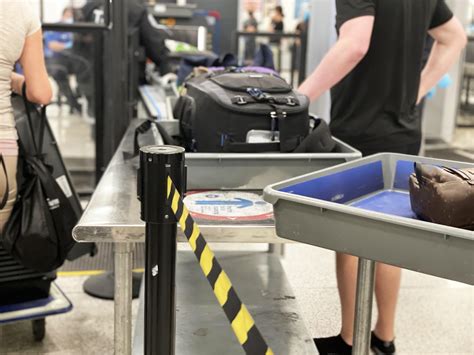
While the staffing shortage is nationwide, several major airports have become focal points of the disruption. Airports including Houston Hobby Airport, New Orleans Louis Armstrong International Airport, Atlanta Hartsfield-Jackson International Airport, and Charlotte Douglas International Airport are experiencing some of the longest wait times.
These hubs serve millions of passengers every month, and the sudden loss of security personnel has had cascading effects throughout the travel system. During peak hours, travelers have reported waiting three to four hours just to reach the screening machines.
The timing could hardly be worse. Spring break travel is surging, and aviation industry forecasts estimate 171 million Americans will take flights during the seasonal travel wave. That massive passenger volume is now funneling through a diminished security workforce.
In response, some airports have been forced to close selected security checkpoints entirely, consolidating passengers into fewer screening lanes. While this allows the TSA to concentrate limited staff resources, it also amplifies congestion at the remaining checkpoints.
Airline Executives Pressure Washington
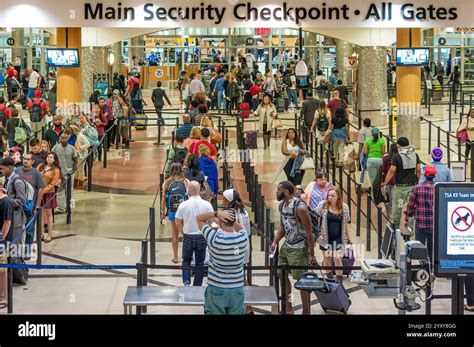
Airline leaders are sounding the alarm. Through the lobbying organization Airlines for America, executives from major carriers such as Delta Air Lines, United Airlines, and American Airlines have urged lawmakers to resolve the funding stalemate immediately.
Their argument is straightforward: aviation security is not a bargaining chip. Airlines depend on TSA operations to keep the national air transportation network functioning. When security screening slows dramatically, flights depart late, connections are missed, and schedules unravel across the country.
Executives also warn that the crisis could worsen rapidly. If more officers stop reporting for unpaid shifts, airport screening capacity could shrink further, potentially forcing airlines to delay or cancel flights.
For travelers already navigating packed terminals, the tension between Washington politics and everyday logistics is becoming impossible to ignore.
The Human Cost Behind the Security Lines
Behind every checkpoint delay is a workforce under extreme financial strain. Many TSA officers continue working despite the absence of pay, but the burden is growing heavier with each passing week.
One officer, Anthony Riley, a 58-year-old agent and father of three, described the personal toll of the shutdown. Without his paycheck, Riley says his family has struggled to cover basic living expenses and now faces the possibility of eviction. He has continued working, yet the uncertainty surrounding his income is creating immense stress.
Stories like Riley’s illustrate how government funding disputes ripple outward into real lives. The TSA workforce operates on tight schedules and modest salaries; missing weeks of pay can quickly push households into financial crisis.
For many officers, the choice is stark—continue working unpaid or step away from a job that still demands full professional responsibility.
Travelers Told to Prepare for the Unexpected
For passengers planning to fly during the shutdown, preparation has become essential. The traditional advice to arrive two hours before domestic flights is increasingly insufficient at the most congested airports.
Travel experts now recommend checking live TSA wait times through the MyTSA mobile app or official airport websites before leaving home. These real-time updates can provide a clearer picture of whether security lines are manageable or approaching crisis levels.
Another factor complicating airport screening is the expanding enforcement of Real ID identification standards. Travelers whose driver’s licenses lack the required star marking may face additional verification steps—or even be denied entry through security—adding more pressure to already crowded checkpoints.
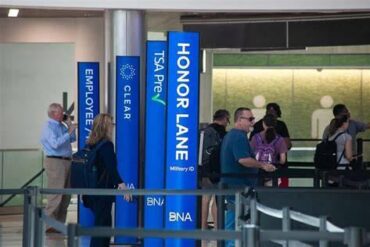
Programs such as TSA PreCheck and Global Entry remain operational and can significantly reduce wait times. Passengers enrolled in these trusted-traveler programs typically access dedicated screening lanes that move faster than standard lines.
A Fragile System Under Stress
The current meltdown highlights how finely balanced the American aviation system truly is. Security screening depends on thousands of trained officers operating with precise coordination. When that workforce begins to thin—even slightly—the consequences ripple across the entire travel ecosystem.
With the political stalemate in Washington unresolved, the situation remains volatile. Airports continue operating with limited staff, airlines are bracing for operational disruptions, and millions of travelers are navigating a system under extraordinary strain.
Until funding is restored and TSA officers receive their delayed pay, the nation’s airports may continue delivering the same harsh message to travelers stuck in four-hour lines: plan ahead, brace for delays, and be ready to figure it out.