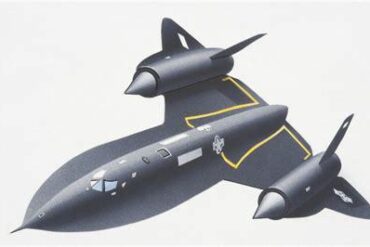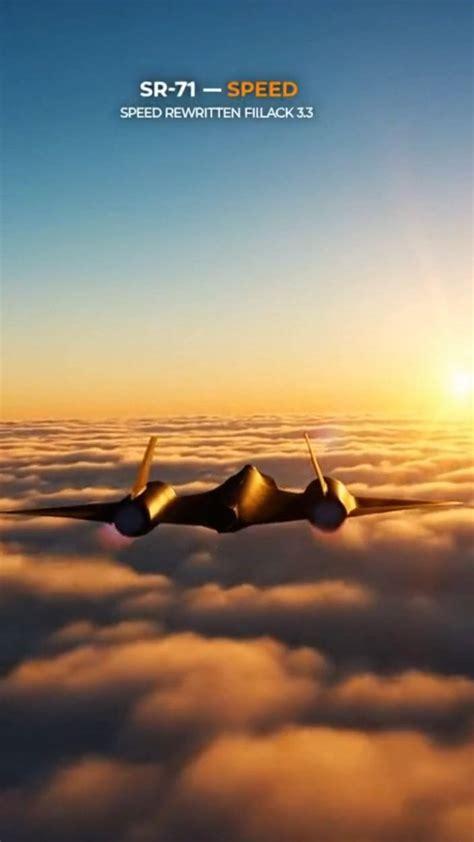
The Lockheed SR-71 Blackbird remains one of the most extraordinary aircraft ever built, decades after it first took to the skies in the 1960s. Developed in complete secrecy by Lockheed’s legendary Skunk Works, the aircraft was engineered to accomplish a mission unlike any other: penetrate hostile airspace, gather intelligence, and escape before enemy defenses could react. Even after its retirement, the Blackbird continues to inspire aviation enthusiasts because many of its speed records remain unbeaten. One remarkable episode from the Vietnam War perfectly illustrates why the SR-71 earned its legendary reputation—it flew so fast that it effectively overwhelmed the radar system of a fighter jet attempting to track it.
Unlike conventional military aircraft that relied heavily on maneuverability or firepower, the SR-71 relied almost entirely on speed and altitude as its primary defenses. Cruising comfortably above Mach 3.2 and capable of exceeding Mach 3.3, the aircraft traveled at roughly 2,193 mph, nearly four times the cruising speed of a commercial airliner. At those incredible velocities, every second mattered, and enemy radar operators often had only moments to react before the Blackbird had already disappeared from their coverage.
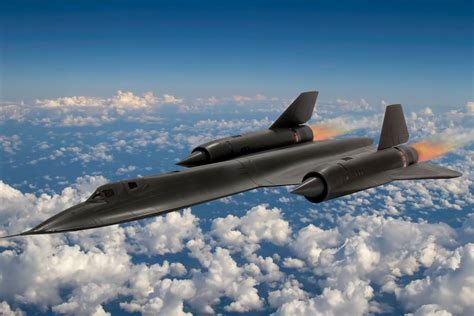
The aircraft’s sleek profile, titanium construction, and specially designed engines allowed it to sustain speeds that few aircraft have ever matched. Flying at altitudes above 80,000 feet, the SR-71 routinely operated beyond the practical reach of many interceptor aircraft and surface-to-air missile systems of its era. Instead of engaging threats, it simply outran them, making interception extraordinarily difficult throughout the Cold War.
The Vietnam War Mission That Produced an Incredible Radar Story
One unforgettable encounter occurred during the Vietnam War while an SR-71 completed a reconnaissance mission after departing Chinese airspace. At the time, the U.S. Navy maintained Barrier Combat Air Patrol (BARCAP) missions over the Gulf of Tonkin, ensuring at least two fighters remained airborne to protect naval operations and monitor activity in the region.
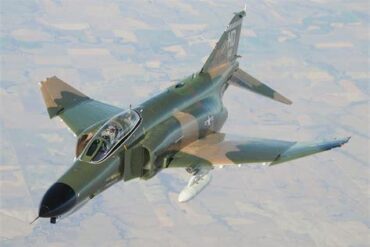
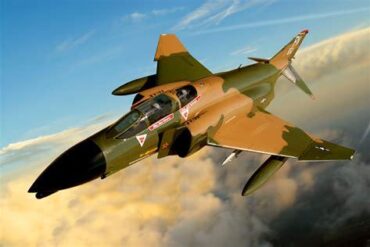
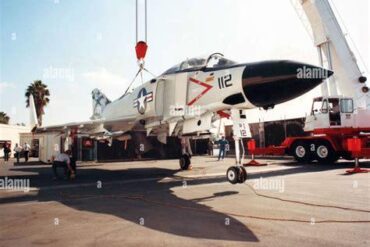
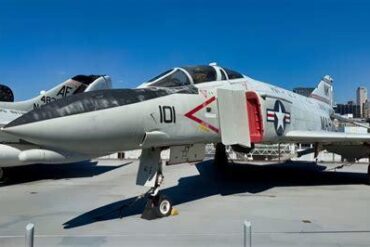
During one of these routine patrols, an F-4B Phantom II crew learned that the highly classified SR-71 would soon pass nearby. Opportunities to observe the mysterious Blackbird were exceptionally rare, even among military aviators. Curious to witness the aircraft firsthand, one pilot extended his radar system to its maximum operating range in hopes of tracking the world’s fastest operational reconnaissance aircraft as it crossed into friendly airspace.
What happened next surprised even experienced fighter crews. Rather than producing a normal radar track, the aircraft’s astonishing speed pushed the radar presentation beyond what the equipment was designed to interpret. The display rapidly became unstable before failing entirely, leaving the crew without a functioning radar screen for the remainder of the mission.
How the F-4 Phantom II’s Radar Was Overwhelmed
Former F-4B Phantom II pilot Jerry Hart later recalled the extraordinary incident during an interview describing his BARCAP missions. According to Hart, routine patrols could become monotonous, making the prospect of tracking the secretive SR-71 irresistible.
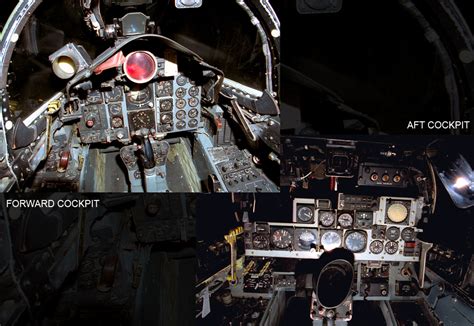
As the Blackbird approached, Hart observed the radar’s velocity circle, which measured the target’s closing speed, spinning upward at a rate he had never witnessed before. Moments later, another radar indicator showing the aircraft’s position relative to the Phantom’s nose began oscillating wildly across the display. Almost instantly, the signal slammed against the edge of the radar scope, and the entire screen turned black.
The radar never recovered during the flight. Whether caused by electronic limitations or the inability of the analog system to process such an unusually fast target, the incident demonstrated just how exceptional the SR-71’s performance truly was. Equipment designed to monitor hostile aircraft simply was not prepared for an object moving through the sky at more than three times the speed of sound.
Even the Naked Eye Could Not Find the Blackbird
With the radar disabled, Hart attempted the oldest tracking method available—looking outside the cockpit. Despite knowing exactly where the SR-71 should appear, he could not spot it.
This was hardly surprising. The Blackbird routinely cruised at altitudes exceeding 80,000 feet, placing it well above most military aircraft. Combined with its blistering speed, the aircraft crossed enormous distances within moments, making visual identification exceptionally difficult even under ideal conditions.
Hart was no inexperienced observer. He had previously identified aircraft visually from more than 56 nautical miles away, demonstrating exceptional situational awareness. Yet even with advance warning and favorable conditions, the SR-71 remained invisible, highlighting the effectiveness of its operational profile.
Why the SR-71 Blackbird Remains an Aviation Legend
Stories like this continue to reinforce the SR-71 Blackbird’s remarkable legacy. It was not merely faster than its contemporaries—it operated in a performance category so extreme that existing radar systems, interceptors, and missile defenses frequently struggled to respond effectively. Its combination of extraordinary speed, immense operating altitude, advanced engineering, and reconnaissance capability transformed aerial intelligence gathering throughout the Cold War.
Although the aircraft completed its final missions under NASA in 1999, its achievements remain unmatched. The incident involving the F-4 Phantom II serves as more than an entertaining aviation anecdote; it demonstrates the extraordinary technological leap represented by the SR-71. More than half a century after its introduction, the Blackbird continues to symbolize the pinnacle of high-speed reconnaissance aviation, proving that some engineering accomplishments remain astonishing regardless of how much time has passed.