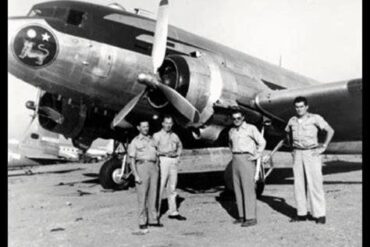
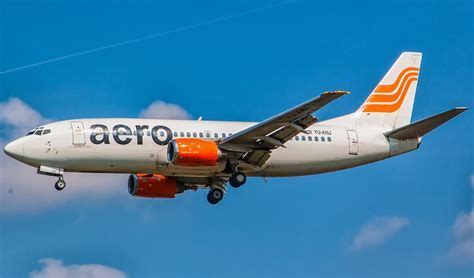
Aero Contractors Ltd., an inconspicuous airline headquartered in Smithfield, North Carolina, operated quietly from 1979 until 1983. Despite its short operational timeline, the company’s legacy looms large in the shadowy realms of intelligence, extraordinary rendition, and covert geopolitics. Founded by Jim Rhyne, a former Air America pilot, Aero Contractors has become synonymous with clandestine air missions—often linked to the Central Intelligence Agency (CIA).
Nestled at the Johnston Regional Airport, the company maintained a fleet of 26 aircraft and a relatively modest staff of 79 employees. Yet, from this unassuming base, Aero Contractors coordinated a series of flights that would later draw the scrutiny of journalists, lawmakers, and human rights advocates worldwide.
Origins: An Air America Legacy and CIA Connections
The formation of Aero Contractors cannot be understood without referencing Air America, the covert airline run by the CIA during the Cold War. Jim Rhyne’s transition from Air America to founding Aero Contractors in 1979 represents more than a career shift—it symbolizes a continuation of CIA-linked aviation operations under private cover.
Rhyne’s aviation expertise, combined with intelligence community ties, allowed Aero Contractors to emerge as a plausibly deniable front. The company’s operations were shrouded in secrecy, using shell corporations and civilian charters to obscure their true purpose. Publicly, it was a private charter service; privately, it was an essential node in America’s post-9/11 counterterrorism infrastructure.
Extraordinary Rendition and Covert Missions
The most contentious chapter in Aero Contractors’ history surfaced in 2005, when The New York Times published a report implicating the company in the CIA’s extraordinary rendition program. Extraordinary rendition refers to the covert transfer of suspected terrorists to foreign countries—many of which have poor human rights records—for enhanced interrogation, a euphemism for torture.
One of the most high-profile cases involved Khalid El-Masri, a German citizen abducted while crossing the Serbia-Macedonia border. According to reports, El-Masri was held incommunicado, drugged, and beaten before being transported aboard a Boeing Business Jet operated by Aero Contractors. His final destination: a secret CIA prison in Afghanistan, where he remained for five months before being released without charge.
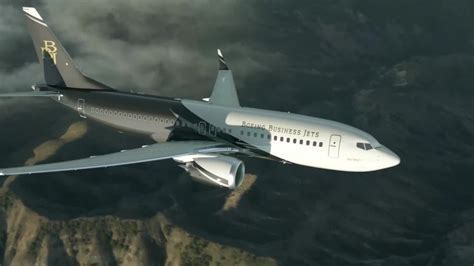
El-Masri’s ordeal became emblematic of the CIA’s global detention network. Aero Contractors’ aircraft were identified by aviation spotters and investigators as having flown repeatedly between known black sites and airports in Europe, the Middle East, and Central Asia. These aircraft used call signs, tail numbers, and registration identities traced back to shell companies with minimal public footprints.
Network of Shell Corporations and Fronts
A key strategy used to shield Aero Contractors’ operations was the creation and use of multiple front organizations. These shell entities included:
- Stevens Express Leasing, Inc.
- Premier Executive Transport Services
- Aviation Specialties, Inc.
- Aero LLC (Wyoming)
- Devon Holding and Leasing, Inc.
These companies were registered across different U.S. states and operated under aliases, helping to blur ownership trails. The use of business jets registered under different corporate names ensured legal and diplomatic cover while transporting detainees across international borders.
Global Spotlight and Public Backlash
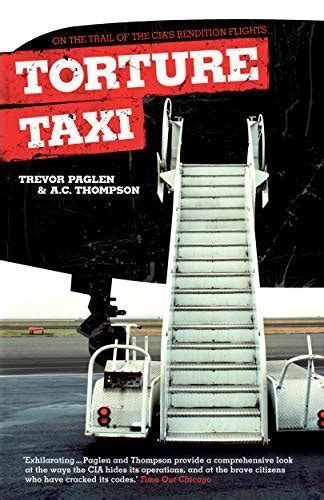
In the aftermath of 9/11, counterterrorism operations enjoyed vast leeway. But by 2006, the tide of public opinion began shifting. Trevor Paglen and A.C. Thompson’s book “Torture Taxi: On the Trail of the CIA’s Rendition Flights” offered a comprehensive look into the mechanics of the CIA’s aerial detention program. Much of the investigative focus centered on Aero Contractors and its operational infrastructure.
The European Parliament and several national parliaments launched inquiries into rendition flights that violated European airspace and sovereignty. Aircraft operated by Aero Contractors were routinely logged arriving in and departing from countries with known detention centers, sparking diplomatic tensions between the United States and EU member states.
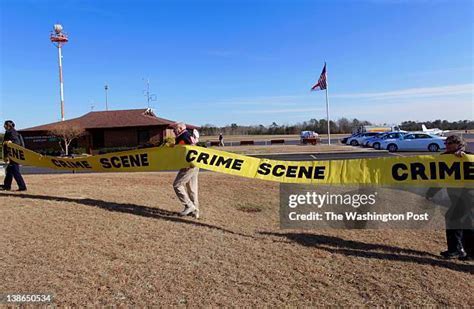
In 2007, protests erupted at Johnston County Airport, demanding accountability for Aero Contractors’ role in secret detentions. Activists and legal scholars began to argue that these flights facilitated extrajudicial punishment in direct violation of international law.
Legal Ambiguities and Denial Mechanisms
The legal framework underpinning Aero Contractors’ operations remains murky. Because the company functioned as a private entity, it enjoyed greater insulation from Freedom of Information Act (FOIA) requests and congressional oversight. The U.S. government has neither confirmed nor denied Aero’s relationship with the CIA, maintaining a deliberate posture of ambiguity.
This legal gray zone allowed Aero Contractors and its shell corporations to circumvent conventional accountability mechanisms. Flight plans were often filed under generic purposes, such as executive transport or medical evacuation, despite evidence to the contrary. Pilots, in many cases, were ex-military or former intelligence operatives, further reinforcing the covert nature of operations.
The Ghost Fleet: Aircraft and Infrastructure
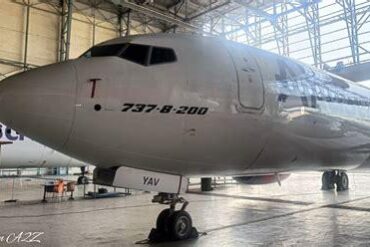
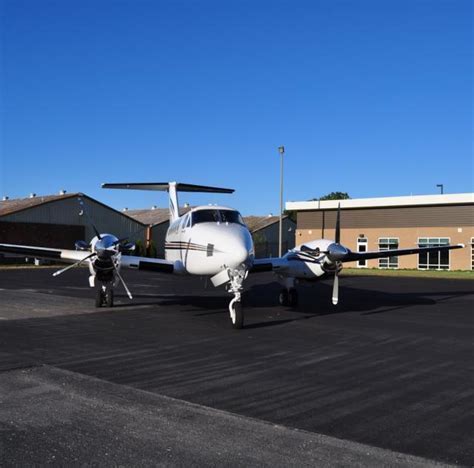
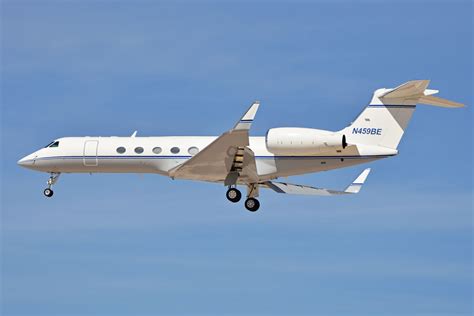
Aero Contractors maintained a diverse and specially outfitted fleet, capable of long-haul operations without detection. Aircraft commonly linked to rendition missions included the Gulfstream V, Boeing 737, and Learjet variants, all modified for secure prisoner transport. These planes were equipped with surveillance shielding, long-range fuel capacities, and seating configurations conducive to restraint and containment.
Each flight was carefully choreographed, often flying indirect routes and refueling in countries with intelligence cooperation agreements. Ground handling at Johnston Regional Airport was minimal and tightly controlled, with limited visibility into cargo or passenger manifests.
Disbandment or Evolution?
Although Aero Contractors officially ceased operations in April 1983, the company’s infrastructure and operational methods seem to have lived on. Industry analysts and investigative journalists believe the company morphed or was absorbed into other entities, continuing the same type of work under new names. Given the classified nature of the operations and the lack of publicly available documentation, definitive conclusions remain elusive.
What is certain, however, is that Aero Contractors served as a crucial link in America’s post-9/11 security architecture. By operating in legal and geographical liminal zones, it enabled the execution of policies that governments could not publicly acknowledge but actively pursued.
Legacy and Continued Relevance
The legacy of Aero Contractors is not merely a matter of aviation or logistics. It represents a turning point in how modern democracies conduct covert warfare, blurring lines between military, intelligence, and civilian domains. As the use of private military contractors and deniable assets becomes increasingly common, the Aero Contractors model is unlikely to remain an outlier.
Current debates over privacy, drone warfare, and state surveillance echo the same themes that Aero’s story encapsulates: the tension between security and civil liberties, the use of plausible deniability in foreign operations, and the erosion of oversight in democratic institutions.
Conclusion: The Airline That Never Left the Ground
In the official record, Aero Contractors Ltd. was a defunct airline that operated for only four years. But its impact far exceeded its lifespan. From its base in rural North Carolina, the company helped engineer one of the most sophisticated aerial detention programs in modern history.
Though many of its aircraft are grounded and its offices dark, the legacy of Aero Contractors remains embedded in the global infrastructure of covert power. It is a case study in how private enterprise and government secrecy can align to operate outside the boundaries of traditional law, ethics, and visibility.
As watchdog groups continue to track rendition networks and as international courts weigh the legality of past operations, Aero Contractors remains a symbol of how far governments will go in the name of national security—and how easily accountability can be evaded.