Private military contractors (PMCs) are no longer peripheral actors in modern warfare; they are now central stakeholders in the global defense apparatus, bridging the gap between state militaries and private enterprise. These organizations provide a diverse range of services, from battlefield support and strategic planning to diplomatic security and counterterrorism logistics. As conflicts become increasingly asymmetric and states seek plausible deniability or cost-effective solutions, the relevance of PMCs continues to rise. Below are the nine largest private military contractors in the world, evaluated by personnel strength and global influence.
Defion Internacional: Latin America’s Mercenary Network
Defion Internacional, based in Peru, may not boast the massive manpower of other military conglomerates, but its geopolitical reach and recruitment strategy set it apart. With around 1,000 personnel, the firm operates across Iraq, the Philippines, Sri Lanka, and the UAE. Its specialty lies in mobilizing security professionals from Latin America, offering budget-friendly yet skilled operatives for static security roles and administrative logistics.
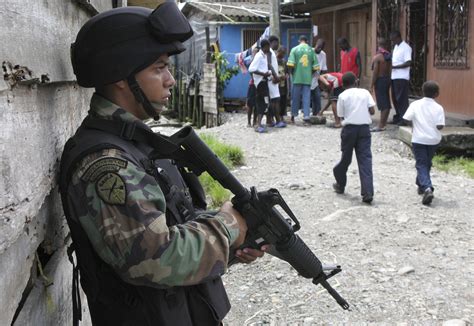
Defion gained notoriety after reports linked it to hundreds of Latin American mercenaries serving in war-torn areas of the Middle East. Many of these individuals were previously employed or subcontracted by Triple Canopy, indicating Defion’s embedded role in the broader network of military contractors.
Unity Resources Group: Australian Roots, Global Footprint
Headquartered in Australia, Unity Resources Group has around 1,200 personnel deployed across critical geopolitical hotspots including the Middle East, Asia, Africa, and Latin America. The group is predominantly staffed by military veterans from the US, UK, and Australia, lending it a multinational operational doctrine.
Its assignments range from securing embassies, such as the Australian mission in Baghdad, to crisis evacuations for oil company personnel in Bahrain. However, Unity’s record is not without controversy. Several high-profile civilian casualty incidents in Iraq have marred its reputation and attracted international scrutiny.

Aegis Defence Services: The British Security Backbone
Founded in the United Kingdom, Aegis Defence Services operates with a manpower of 5,000 personnel. Its clients include the United Nations, US Government, and a consortium of oil companies. With a presence in over 60 countries, Aegis offers not only combat-ready units, but also consultative expertise in counterterrorism and post-conflict stabilization.
Aegis was implicated in several investigations involving the use of excessive force, particularly in Iraq, where video footage allegedly showed indiscriminate firing on civilians. Despite these issues, its strategic alliances—especially with the U.S.—have solidified its position as a trusted partner in high-risk zones.
Triple Canopy: The American Titan of Diplomatic Security
With 8,000 personnel, Triple Canopy is a heavyweight in the private military arena. Formed in 2003 by U.S. special forces veterans, it quickly rose to prominence by offering armed security services to both government and corporate sectors.
In 2014, it merged with Academi (formerly Blackwater) to form Constellis Holdings, creating one of the largest defense service conglomerates. Triple Canopy is responsible for safeguarding U.S. diplomatic missions in volatile regions such as Iraq, Haiti, and Israel.
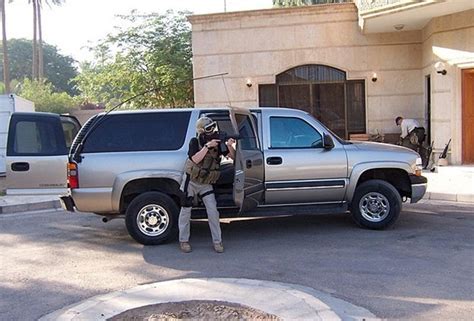
Its $1.3 billion contract with the U.S. State Department in 2022 to protect the American embassy in Baghdad showcases its continued strategic relevance.
Constellis: Merged Might of Multiple PMCs
Constellis Holdings is not just a company—it is a coalition of elite PMCs including Academi, Triple Canopy, Olive Group, and Centerra. While individual brand names may be familiar, their amalgamation into Constellis represents a power consolidation that leverages each company’s strengths in logistics, training, aviation, and security.
Today, Constellis contracts extensively with U.S. federal agencies, maintaining installations domestically and abroad. Centerra, a subsidiary, secured a $1 billion contract from the Department of Energy to guard the Savannah River Site, a critical nuclear facility.
DynCorp International: Counter-Narcotics and Nation-Building
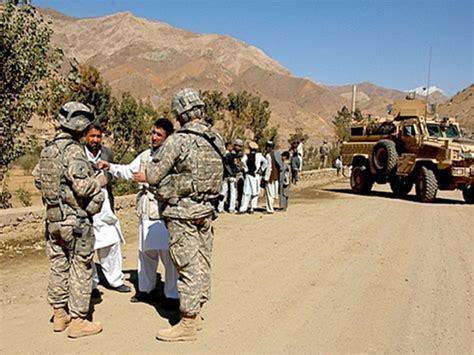
Before its 2020 acquisition by Amentum, DynCorp International had a longstanding legacy of nation-building, police training, and counter-narcotics operations. At its peak, the company employed 10,000 personnel, and its activities extended from South America to the Middle East.
DynCorp was among the select few PMCs contracted during the Iraq War troop drawdown, providing logistical support, direct combat assistance, and police mentoring programs. Its legacy continues under Amentum, where its technical know-how contributes to U.S. defense initiatives worldwide.
GardaWorld: The Civilian Protection Juggernaut
Canada-based GardaWorld may be best known for its civilian and corporate security services, but it also operates a robust military contracting division. With nearly 10,000 employees in high-risk areas, GardaWorld specializes in diplomatic protection, high-value convoy escorts, and infrastructure security.
The firm has worked with the U.S. and Canadian governments, as well as multinational corporations operating in volatile territories. Its hybrid model—bridging military-grade security and corporate asset protection—makes it uniquely versatile.
G4S: Global Force, Scandal-Ridden Legacy
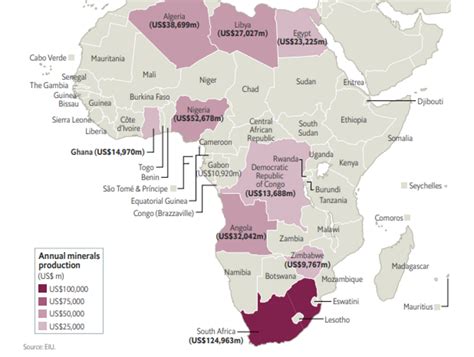
G4S, a British security services company, once managed over 600,000 employees across the globe. Although not all were involved in military operations, a significant number were deployed in warzones, particularly through its subsidiary ArmorGroup. G4S’s reach extended into Iraq and Afghanistan, offering mine clearance, perimeter security, and base operations support.
While massive in scale, G4S has frequently been embroiled in human rights controversies, including allegations of abuse and negligence at conflict detention facilities. These issues have led to loss of contracts and a damaged public image, culminating in its acquisition by Allied Universal.

Wagner Group: Russia’s Shadow Army
The Wagner Group stands apart not only for its combat capabilities, but also for its ideological alignment with Russian ultranationalism. At its zenith, Wagner employed tens of thousands of fighters, operating in Syria, Libya, Ukraine, Sudan, and Mali. Unlike Western PMCs that typically operate within a legal and regulatory framework, Wagner functions as a semi-official arm of Russian foreign policy.
Despite the death of its leader, Evgenij Prigozhin, and the fallout from the 2023 mutiny, Wagner remains active and autonomous. Its structure includes infantry battalions, armored units, and aerial divisions, making it resemble a regular military more than a typical contractor.
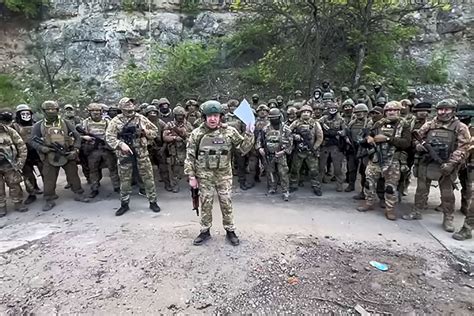
However, its rogue behavior and occasional defiance of Kremlin directives highlight the risks of outsourcing military power to private entities without stringent oversight.
Conclusion: PMCs in the Future of Warfare
The influence of private military contractors in global security is unmistakable. From protecting diplomatic enclaves to shaping the outcomes of regional conflicts, PMCs offer both strategic advantages and ethical dilemmas. As state militaries downsize and conflicts become more fragmented, the reliance on private military firms is likely to grow—albeit under increasing regulatory and public scrutiny.
Understanding the scale, reach, and history of these organizations is essential not only for policymakers and defense analysts, but also for citizens concerned about the privatization of warfare. The line between state authority and commercial military force has blurred—and in that gray area, these nine companies hold immense power.