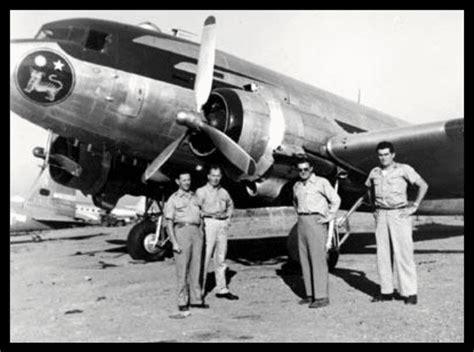
Air America stands as one of the most enigmatic and covertly influential aviation enterprises in American history. Operating under CIA ownership from 1950 to 1976, Air America was far more than a civilian airline. It was a covert paramilitary arm of U.S. foreign policy in Southeast Asia, conducting clandestine missions under the guise of commercial aviation. From its shadowy origins in post-World War II China to its final missions during the fall of Saigon, the airline’s story is one of geopolitics, espionage, and airborne logistics on an unprecedented scale.
Origins in Post-War China: A Frontline for Political Maneuvering
The roots of Air America trace back to 1946, when it was established as CNAC (Chinese National Relief and Rehabilitation Administration Air Transport) by General Claire Chennault and diplomat Whiting Willauer. Initially, the airline was intended to support Nationalist China during its struggle against Communist forces. The United States, wary of direct military intervention, found in air logistics a viable alternative to boots on the ground.
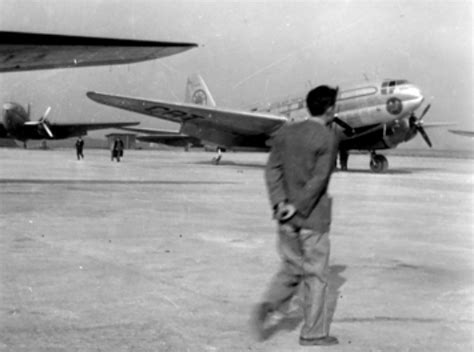
By 1950, the Central Intelligence Agency acquired the airline, renaming it Civil Air Transport (CAT). This transition marked a turning point: CAT became a covert logistics provider, transporting supplies and personnel across Asia, and embedding itself into the fabric of American Cold War strategy.
Rebranding as Air America: Operational Pivot to Indochina
In 1959, the airline adopted the name Air America and began extensive operations in Laos, a country increasingly central to the geopolitical balance in Southeast Asia. As the Vietnam War intensified, so did the breadth and complexity of Air America’s missions. It functioned as an indispensable tool in supporting U.S. Special Forces, South Vietnamese allies, and particularly the Royal Lao Army and the Hmong guerrilla forces under General Vang Pao.
Operating from strategic hubs in Saigon, Vientiane, and Udorn, Air America served as the lifeline for anti-communist factions. With over 80 aircraft in its fleet, including C-46 Commandos, C-130 Hercules transports, and a variety of Bell helicopters, the airline provided unmatched logistical support in some of the world’s most treacherous terrain. The Short Takeoff and Landing (STOL) capabilities of many aircraft allowed operations from rudimentary jungle airstrips.
Combat Zone Logistics: Delivering the Unseen War
Air America’s role in Indochina transcended simple cargo delivery. From 1959 to 1975, its missions included:
- Inserting and extracting U.S. and allied personnel behind enemy lines
- Supplying remote mountain outposts and jungle fortresses
- Conducting aerial reconnaissance and psychological operations
- Flying emergency medical evacuations and combat extractions
In 1970 alone, Air America logged over 4,000 helicopter flight hours per month and delivered more than 46 million pounds of food, medicines, and ammunition. These figures reflect not only logistical prowess but the extent to which the airline was embedded in active military operations.
Air America also operated search and rescue missions under the aegis of the Seventh/Thirteenth Air Force, often venturing into hostile territory to extract downed pilots and covert operatives. It became synonymous with high-risk, low-profile missions that conventional military units could not undertake.
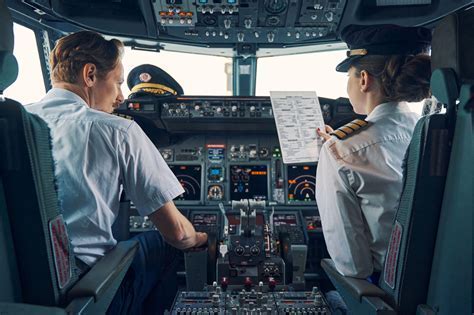
The Shadow of Narcotics: Opium Allegations and the Golden Triangle
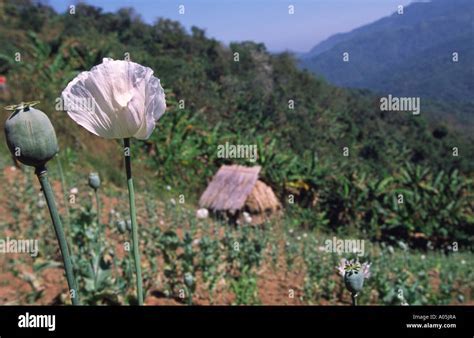
One of the most controversial aspects of Air America’s legacy involves allegations of drug trafficking, particularly the transport of raw opium cultivated in the Golden Triangle—a region encompassing northern Laos, Thailand, and Myanmar. Historian Alfred McCoy argued that the CIA enabled opium movement, pointing to logistical support provided to Hmong forces who funded their resistance through poppy cultivation.
However, other scholars, including William Leary and Curtis Peebles, challenge these assertions. They argue that while opium was indeed transported aboard Air America flights, there is insufficient evidence to conclude pilots or the agency knowingly facilitated drug trafficking. Instead, they posit that the transportation was incidental to broader operations and conducted without knowledge of the cargo contents.
Despite these rebuttals, the allegations have indelibly marked the airline’s reputation, entwining its legacy with the murky realities of covert warfare and realpolitik.
Operation Frequent Wind: The Final Flight from Saigon
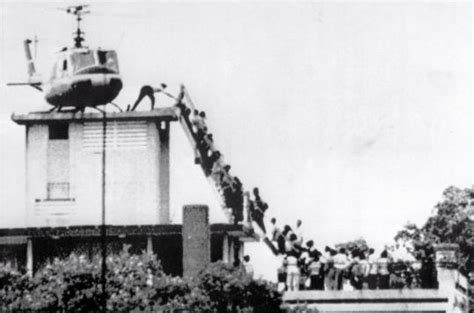
In April 1975, as North Vietnamese forces closed in on Saigon, Air America played a pivotal role in Operation Frequent Wind—the emergency evacuation of American civilians and at-risk South Vietnamese personnel. Amid chaotic scenes at the U.S. Embassy and rooftop helipads, Air America helicopters ferried thousands to offshore Navy vessels.
These final missions epitomized the airline’s core capabilities: rapid extraction under fire, improvisation in crisis, and absolute operational secrecy. Within weeks of the operation, the fall of Saigon marked the effective end of Air America’s raison d’être.
Fleet Composition: An Aviation Arsenal Unlike Any Other
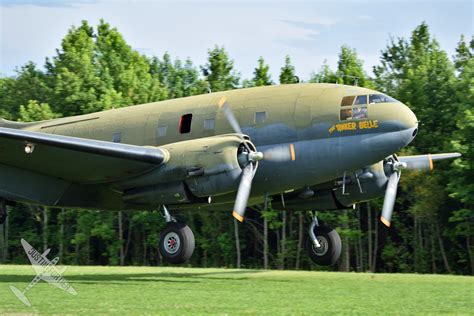
Air America maintained one of the most diverse and adaptable aviation fleets in the world. Its aircraft were selected for ruggedness, versatility, and STOL capacity, capable of operating from jungle clearings, mountain ridges, and remote villages.
The fleet included:
- Fixed-wing transports: Curtiss C-46 Commando, Lockheed C-130 Hercules, De Havilland Caribou
- Utility aircraft: Pilatus Porter, Helio Courier
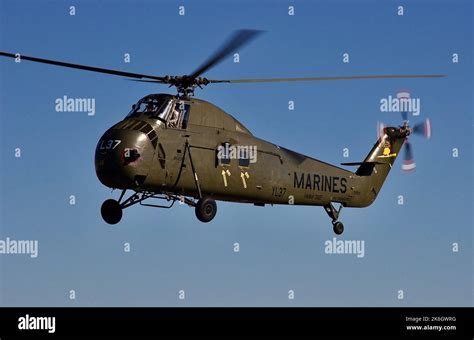
- Helicopters: Bell UH-1 Huey, Bell 205, Sikorsky S-58T, and Bell UH-34
Each aircraft was modified for covert operations, including camouflaged exteriors, stripped markings, and specialized cargo configurations. Pilots were often cross-trained for both rotary and fixed-wing platforms, enabling unparalleled flexibility in mission deployment.
Aftermath: Dissolution and Legacy in Shadow
Air America was officially dissolved on June 30, 1976. Its remaining assets were transferred to Evergreen International Airlines, while financial proceeds were returned to the U.S. Treasury. Its subsidiary, Air Asia, continued operations in Taiwan and today functions under the Taiwan Aerospace Corporation.
The name “Air America” briefly resurfaced in the 1980s when a U.S. airline attempted to revive the brand, operating Lockheed L-1011 TriStars, though it bore no connection to the original covert operations.
The legacy of Air America remains both mythical and controversial. Celebrated by some as heroes in the shadows and condemned by others as pawns in covert manipulation, the airline’s role in shaping Cold War outcomes cannot be understated. The men and women who served, often in anonymity, embodied a paradoxical blend of patriotism, pragmatism, and secrecy.
Conclusion: A Legacy Written in Contrails and Silence
Air America was not merely an airline—it was a shadow fleet that blurred the lines between civilian logistics and military operations. Operating across borders and moral boundaries, it served as a tool of foreign policy, a lifeline to remote allies, and a symbol of Cold War entanglements. From its early roots in Chinese civil conflict to its final missions during the fall of Saigon, Air America left a complex imprint on aviation history.
Today, declassified documents and scholarly investigations continue to unravel the truth behind its operations. Yet one thing remains indisputable: Air America was the CIA’s most audacious and enduring airborne instrument, embodying the clandestine spirit of an era when the skies were just another front in a global ideological battle.