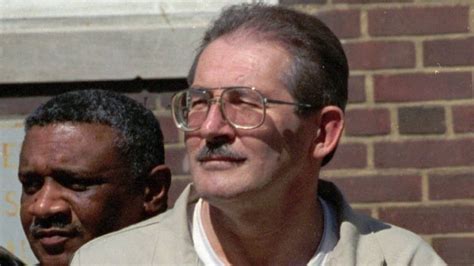
Aldrich Hazen Ames, once a trusted officer within the Central Intelligence Agency (CIA), died at the age of 84 in a Maryland federal prison on January 7, 2026. Known as the “Ultimate Traitor,” Ames’s betrayal stands as one of the gravest security breaches in American espionage history. Over the course of nearly a decade, his covert collaboration with the KGB and later the Russian Federation led to the collapse of the U.S. spy network inside the Soviet Union, the exposure of more than 30 Western assets, and the confirmed deaths of at least 10 intelligence operatives. His story is not just a tale of treason—it is a study in human frailty, institutional failure, and the devastating cost of unchecked ambition.
From Mediocrity to Malevolence: Ames’s Rise and Fall
Ames’s early life did little to hint at the catastrophic role he would play in U.S. intelligence history. Born into a CIA family, he was the son of a mid-level officer with a drinking problem. Leveraging his father’s connections, Ames bypassed rigorous qualifications and joined the CIA in 1962 as a low-level clerk. His lackluster academic record and chronic alcoholism would follow him throughout his career, punctuated by multiple security breaches and behavioral red flags.
Despite being deemed unfit for overseas work by his station chief in Ankara, Ames was inexplicably promoted and posted to increasingly sensitive roles. From Turkey to Mexico and eventually Rome, he moved up the CIA ranks even as his performance and personal conduct remained deeply problematic.
The Turning Point: Greed, Vodka, and Betrayal
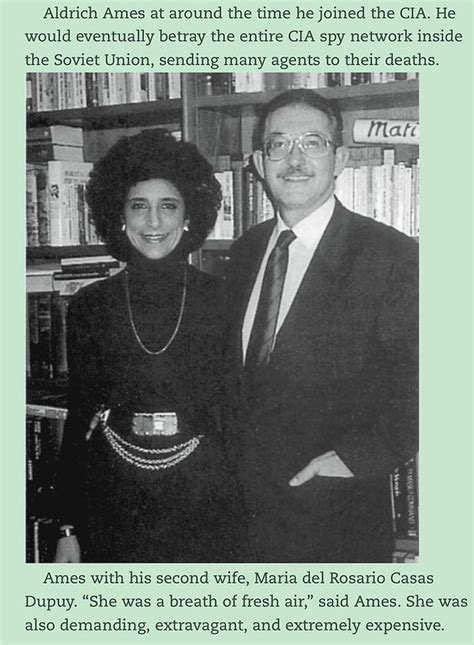
In 1985, Ames made the irreversible choice that would cement his legacy as a traitor. Struggling financially and deeply entangled in a relationship with Maria del Rosario Casas Dupuy, a Colombian embassy attaché and CIA informant, Ames walked into the Soviet Embassy in Washington, D.C. and offered up names of KGB double agents working for the U.S. in exchange for $50,000.
What began as a desperate grab for cash escalated into a systematic betrayal. Ames passed volumes of classified intelligence to the Soviets and, after 1991, to the Russians. His disclosures included:
- Identities of more than 30 agents covertly working for the U.S.
- Details of over 100 clandestine operations.
- Sensitive technical operations targeting Soviet communications and counterintelligence.
These betrayals resulted in the swift capture, torture, and execution of critical American assets behind the Iron Curtain. It was not ideology, nor revenge, but raw greed and self-indulgence that motivated Ames. He later confessed that his motives were nothing more than a blend of “vodka, arrogance, delusions of grandeur, and naked greed.”
Institutional Blindness: Red Flags Ignored
Ames’s espionage flourished in large part due to the CIA’s institutional negligence. Despite repeated incidents—leaving classified documents on a train, drunk driving arrests, reckless behavior at diplomatic events, and mounting personal debt—the agency failed to flag him as a serious risk. Even when he began openly living beyond his means, purchasing a $540,000 home, a Jaguar, and indulging in lavish vacations, he managed to evade internal suspicion.
Ames’s annual salary never exceeded $70,000, yet he was able to spend extravagantly. Still, his supervisors raised no alarms. It wasn’t until the late 1980s and early 1990s, after numerous high-value Soviet moles were caught and executed, that whispers of a CIA mole gained traction.

The Fall: A Molehunt and a Sting Operation
As reports of CIA losses mounted, the Federal Bureau of Investigation (FBI) and CIA launched a joint counterintelligence effort. An anonymous informant tipped them off about Ames’s conspicuous lifestyle. By 1993, Ames was under 24/7 surveillance. Agents tracked his movements, intercepted his communications, and even dug through his trash.
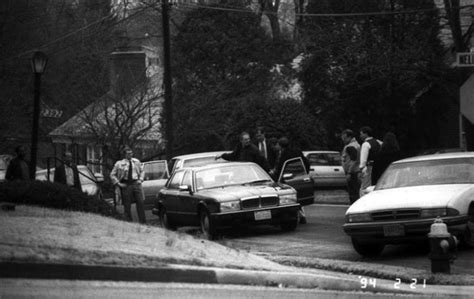
On February 21, 1994, Ames was arrested outside his suburban Virginia home. Rosario Ames was arrested shortly after. During interrogation, both quickly confessed. On April 28, 1994, Ames pleaded guilty to espionage and tax evasion, receiving a life sentence without the possibility of parole. Rosario was sentenced to 63 months in prison for aiding and abetting his activities.
CIA Director R. James Woolsey remarked at the time, “These agents died because a murdering traitor wanted a bigger house and a Jaguar.”
The Devastation: CIA’s Worst-Ever Breach
The scope of Ames’s betrayal was unprecedented. His actions crippled U.S. intelligence operations at a pivotal moment in Cold War history. According to investigators:
- All major U.S. assets inside Soviet intelligence agencies were neutralized within months of Ames’s betrayal.
- 10 operatives were executed, with others sentenced to long-term imprisonment.
- The United States lost strategic insight into Soviet military and political activities during the final years of the Cold War.
The emotional toll on the intelligence community was severe. Careers were ruined, trust within the CIA eroded, and morale plummeted. Agents feared for their lives and questioned whether their own secrets were safe. The breach also exposed glaring holes in CIA internal security protocols, prompting sweeping reforms in employee monitoring, financial auditing, and counterintelligence vetting.
Post-Cold War Continuation: Betraying a New Russia
What makes Ames’s treachery even more damning is that it continued beyond 1991, even after the Soviet Union dissolved. He passed sensitive data to the Russian Federation, aiding its Federal Security Service (FSB) during a delicate transitional period. At a time when the U.S. hoped to build a cooperative post-Cold War intelligence relationship, Ames actively undermined it.
This dual betrayal—first of the United States and then of potential international stability—ensures that Ames will forever occupy a unique place in the hall of infamy.
Legacy of a Traitor: No Patriot, No Ideologue
Unlike double agents like Kim Philby or Juan Pujol García, whose motivations were ideological or strategic, Ames’s story is haunting because it lacks complexity. There was no philosophical justification, no masterplan to reshape geopolitics. There was only self-serving treachery.
This banality of evil is what makes Aldrich Ames such a chilling figure. His betrayals were not calculated acts of political defiance—they were impulsive decisions driven by personal gain. His background was not that of an academic or idealist, but a mediocre bureaucrat who stumbled into immense power and abused it.
Death in Prison: An Unmourned End
On January 7, 2026, Ames died of natural causes at a federal correctional facility in Maryland. He spent over three decades behind bars, receiving no visitors and never expressing public remorse. The CIA, FBI, and U.S. intelligence community issued no formal tributes or acknowledgments.
For those whose lives were destroyed by his betrayal, his death brings no closure. The agents he exposed, the operations he compromised, and the trust he shattered remain as scars on the agency’s history.
Final Reflections: A Case Study in Institutional Failure
Aldrich Ames is not just a case of personal treachery but of systemic collapse. His unchecked rise through the CIA, despite glaring warnings, underscores the dangers of complacency within intelligence agencies. The failure to detect Ames sooner cost the United States dearly in both human lives and geopolitical leverage.
His story is now required reading for new CIA recruits—not as a tale of espionage genius, but as a cautionary parable of what happens when ambition, addiction, and greed collide in the shadows of power.
Ames did not destroy the CIA, but he exposed its Achilles’ heel. In doing so, he changed the way intelligence is managed, monitored, and trusted. And in the end, that may be the most enduring—if bitter—legacy of Aldrich Ames.