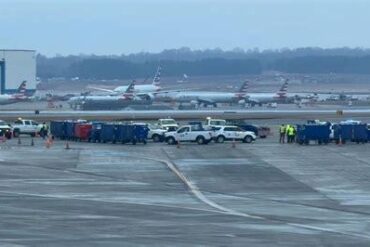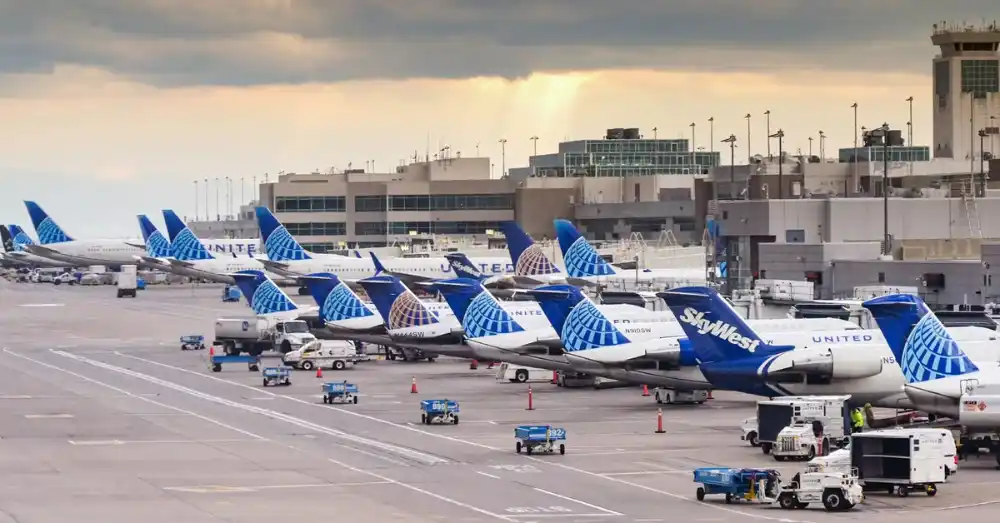
An unsettling workplace tragedy unfolded at Denver International Airport (DEN) earlier this week when a United Airlines facilities maintenance technician lost his life following a collision between two cherry-picker lift vehicles. The accident occurred late at night on Thursday, December 18, at approximately 11:40 PM, and both United Airlines and local authorities have launched investigations into the causes and circumstances of the fatal incident.
The Fatal Cherry-Picker Collision
Initial reports confirm that the crash occurred on airport grounds where two United employees were operating separate cherry-picker lifts — equipment typically used for high-reach maintenance tasks such as lighting, signage, or structural inspections. According to a Denver Police statement, one of the cherry-pickers came to an unexpected stop, and the second, still in motion, collided directly into the stationary lift, fatally injuring the technician aboard the halted vehicle.
Despite emergency response efforts and the technician being rushed to a hospital, the injuries proved fatal. The victim’s name has not yet been released to the public. United Airlines has expressed condolences and is reportedly providing support to the victim’s family and colleagues.
“We are working with the employee’s family and coworkers to provide them with support during this time, and we are investigating the circumstances of the accident,” said a spokesperson from United Airlines.
Authorities Launch Joint Investigation
Three key entities are now leading separate yet cooperative investigations:
- United Airlines, seeking to determine if procedural or mechanical issues played a role.
- Denver Police Department, examining the operational events and responsibilities of the drivers.
- The United States Occupational Health and Safety Administration (OSHA), focusing on whether workplace safety regulations were breached.
Each investigation aims to identify contributing factors, including operator training, equipment conditions, airport lighting, ground visibility, and communication protocols. OSHA’s involvement underscores the gravity of the incident and its potential implications for ground safety compliance within high-risk operational zones like airport tarmacs.
Ground Operations: A Tightly Choreographed Yet Dangerous Environment
The tragic accident has spotlighted the often-overlooked dangers of airport ground operations, a segment of aviation logistics that is complex, fast-paced, and inherently hazardous. While passengers only see calm terminal gates, behind the scenes, dozens of specialized ground vehicles are simultaneously at work — fueling planes, loading baggage, catering flights, performing maintenance, and maneuvering aircraft.
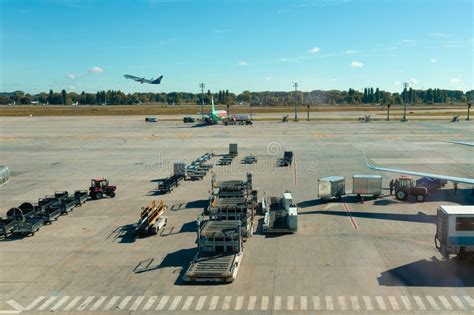
In this fast-moving ecosystem, a momentary lapse in coordination or malfunction can lead to catastrophic outcomes. Especially during night shifts, when visibility is lower and fatigue is more prevalent, these risks are compounded.
Industry Standards & IATA Safety Indicators
To address such risks, the International Air Transport Association (IATA) provides a framework of Safety Performance Indicators (SPIs) for ground operations:
- Occupational Health and Safety (OHS) – Tracking injuries and illnesses among airport personnel.
- Aircraft Ground Damage – Preventing vehicle-related damage to aircraft.
- Load and Loading Errors – Ensuring cargo and weight are properly distributed.
These indicators inform safety audits, training protocols, and risk mitigation strategies. According to IATA, aircraft ground damage alone could cost the industry $10 billion annually by 2035 if left unaddressed — a staggering financial and operational burden that highlights the need for strict safety adherence.
The Role and Risk of Cherry-Picker Lifts at Airports
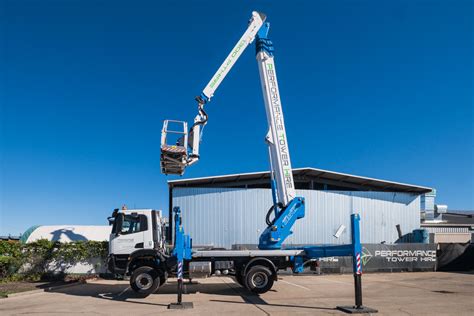
Cherry-pickers are among the more specialized vehicles used in airside maintenance. Their vertical reach makes them ideal for tasks like inspecting jet bridges, lighting structures, or terminal exteriors. However, they come with limited maneuverability and visibility, particularly when fully elevated. Operators are required to follow rigorous safety checks and adhere to ground traffic coordination, much like aircraft pilots adhere to air traffic control.
Any interruption in standard protocols — whether due to miscommunication, mechanical failure, or operational misjudgment — can result in fatal consequences. The Denver incident suggests a possible breakdown in such a safety layer, although investigations will ultimately determine the root cause.
A Wake-Up Call for Ground Safety Regulations
While airline accidents involving passengers often make global headlines, occupational deaths among ground staff rarely garner the same attention — despite being equally tragic and preventable. This incident draws attention to the need for:
- More rigorous real-time ground vehicle monitoring systems.
- Better collision-avoidance technology on cherry-picker and other slow-moving lift vehicles.
- Enhanced night operation visibility protocols, such as reflective gear, lighted pathways, and coordinated zone clearance.
- Strengthened training and certification for all operators in high-risk vehicle categories.
Support and Grief Within the United Airlines Community
The human cost of this incident has rippled across the United Airlines family. The employee, a facilities maintenance technician, was part of the airline’s behind-the-scenes workforce — often uncelebrated but crucial to the smooth functioning of airport operations. Colleagues describe the employee as dedicated, safety-conscious, and well-respected.
United’s internal communications have reportedly focused on mental health support, grief counseling, and reinforcing safety vigilance among all team members. The airline has pledged to fully cooperate with investigators and, if required, update its own safety protocols to prevent a recurrence.
Broader Implications for the Aviation Industry
The Denver cherry-picker crash adds to a growing list of non-flight-related fatalities within the aviation ecosystem, pointing to a broader industry concern: ensuring that safety procedures on the ground keep pace with those in the air. Airlines and airports alike are now urged to:
- Review ground incident logs for patterns or recurrent risks.
- Invest in advanced telemetry systems that track vehicle behavior.
- Establish real-time alerts for stalled or unmoving vehicles in operational zones.
- Integrate AI-based predictive maintenance to flag equipment prone to failure.
Conclusion: Seeking Accountability and Prevention
This tragic incident is not merely a news footnote; it is a sharp reminder that every link in the aviation chain matters, from cockpit to ground crew. As United Airlines, OSHA, and the Denver Police continue their probe, one hope remains central: that this death leads to life-saving reforms in airport ground operations.
The aviation community now watches closely, not only for the findings of these investigations but for the action plans that follow. Because when one life is lost in service of air travel, it is not only a tragedy — it is a call to do better, immediately and meaningfully.