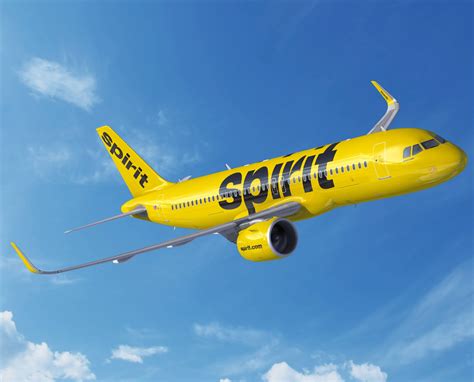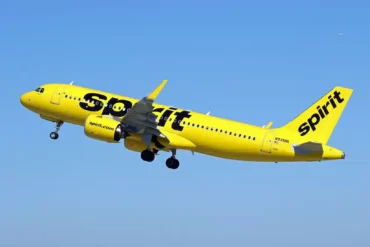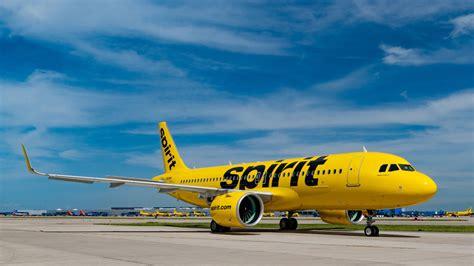
Spirit Airlines, the embattled ultra-low-cost carrier headquartered in Dania Beach, Florida, has narrowly averted a potential shutdown following a turbulent weekend. With liquidity drying up and its future hanging in the balance, Spirit Aviation Holdings, Inc. announced a critical amendment to its debtor-in-possession (DIP) credit agreement, unlocking an additional $100 million in financing to keep the airline flying. Of this, $50 million is immediately available, while the remaining half hinges on further restructuring milestones.
High-Stakes Financing: The $100 Million Lifeline
The DIP amendment was not just another financial maneuver; it was a desperate measure to provide breathing room as Spirit teeters on the edge of collapse. The new capital will support day-to-day operations and keep flights running during the chaotic holiday season, an especially crucial period for passenger revenue.
“We are grateful to our lenders for continuing to support Spirit’s transformation,” said Dave Davis, President and CEO of Spirit, underscoring the urgency of the deal.

Spirit has reassured the public that flight schedules, ticket sales, and customer services will remain unaffected, a pledge aimed at maintaining customer trust. However, behind the scenes, the airline is rapidly cutting costs, reworking its financial structure, and renegotiating terms with aircraft lessors.
Chapter 11 Turbulence: The Restructuring Underway
The carrier filed for Chapter 11 bankruptcy protection earlier this year as cash reserves dwindled. Now in the throes of a comprehensive restructuring, Spirit is attempting to correct years of financial mismanagement and adapt to a cutthroat low-cost aviation landscape.
Spirit’s restructuring journey includes:
- A debtor-in-possession financing facility of up to $475 million.
- Cost-saving deals with lessors and suppliers.
- Downsizing operations and exiting unprofitable routes.
But while the funding provides a short-term fix, industry observers warn the underlying issues run deep. The airline’s operating model—built on ultra-low fares and aggressive network expansion—has come under intense pressure from rising fuel costs, wage hikes, and post-pandemic demand fluctuations.
The Mounting Pressures: Cost, Competition, and Confidence
Spirit’s crisis cannot be understood without examining the broader industry dynamics. The airline sector is grappling with macroeconomic headwinds, including:
- Surging jet fuel prices.
- Increased labor costs across unionized pilot and flight attendant ranks.
- Intensified competition from larger carriers and new low-cost entrants.
In Spirit’s case, its ambitious expansion came at a cost. As competitors offered more amenities and price-matched its fares, Spirit’s value proposition eroded. The airline also faced backlash for its no-frills service model, which now struggles to justify its once-compelling price advantage.
The Strategic Path Forward: Standalone or Sale?
With $100 million in fresh cash, Spirit can momentarily stave off collapse—but long-term success requires a viable strategic direction. The amended DIP agreement includes conditions tied to restructuring progress or strategic transactions, implying that Spirit may still pursue either:
- A standalone reorganization, keeping the company independent.
- A sale or merger, potentially with a private equity buyer or strategic airline partner.
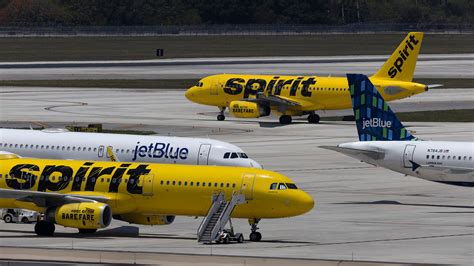
Spirit’s previous attempt to merge with JetBlue Airways was derailed by antitrust concerns, a costly distraction that left the airline even more vulnerable. Any future M&A pursuit would likely face similar scrutiny.
Operational Cuts: Shrinking to Survive
Parallel to financial restructuring, Spirit has executed aggressive operational changes:
- Route network reductions: Eliminating underperforming city pairs.
- Gate transfers: Exiting less profitable airports.
- Fleet downsizing: Returning aircraft to lessors or rejecting leases under bankruptcy terms.
These moves aim to realign Spirit’s cost structure and capacity with actual demand, helping the airline conserve cash and avoid burning through its newly secured funding prematurely.
Investor and Industry Reactions: Cautious Optimism or Delayed Demise?
Reaction to Spirit’s DIP amendment is mixed. On Wall Street, the news helped avoid immediate panic, but investor confidence remains fragile. Creditors and bondholders are watching closely to see if the airline can meet upcoming financial targets or if further funding will be required.
Aviation analysts remain divided:
- Some believe Spirit’s deep brand recognition and dense route network offer recovery potential.
- Others argue the low-cost carrier market is too saturated for Spirit to stage a credible comeback without fundamental changes.
Consumer Confidence: A Delicate Balancing Act
Throughout the restructuring process, Spirit has emphasized continuity in service. However, maintaining customer confidence is a delicate challenge. Travelers—especially budget-conscious flyers—are sensitive to disruptions, and any perception of instability could further depress bookings.
The airline has doubled down on transparency and communication:
- Honoring all tickets and reservations.
- Continuing loyalty rewards programs.
- Updating passengers on operational reliability.
These assurances are crucial as the airline navigates one of the busiest travel periods of the year. A single major disruption could reignite public skepticism.
Lessons from the Past: Spirit Not Alone in the Skies of Trouble
Spirit’s saga is not unique. Airlines like Frontier, Norwegian, and even legacy carriers like American Airlines have faced financial crises in the past, some navigating recovery while others collapsed or were absorbed.
In each case, success depended on:
- Swift operational restructuring.
- Strong leadership commitment.
- Transparent communication with all stakeholders.
Spirit’s fate will likely hinge on whether it can emulate the few that recovered—or join the growing list of carriers grounded permanently.
A Fragile Flight Path Ahead
With $100 million now keeping its engines running, Spirit Airlines has won a critical battle—but the war is far from over. The next six months will be pivotal. Every missed target or delayed milestone could result in cash flow pressure and renewed bankruptcy court drama.
As the restructuring unfolds, key watchpoints include:
- Cash burn rates and cost reductions.
- Progress on strategic alternatives.
- Market response from passengers and investors.
Ultimately, the survival of Spirit Airlines will depend on whether it can evolve beyond its legacy low-cost roots and redefine its value in a hyper-competitive marketplace.