After a long flight, reaching a hotel room can feel like the moment when the working day finally ends. For most travelers, the instinct is simple: drop the bags, take off the shoes, check the phone, and start unpacking. Flight attendants approach those first few minutes very differently. Their layover may be a chance to sleep, eat, explore a new city, or simply recover from a demanding flight, but safety and security remain part of the job even after the aircraft has landed.
One of the habits associated with experienced cabin crew is a quick inspection of the hotel room before settling in. Sometimes described as the 90-second safety rule or the “Hotel Autopsy,” the procedure is designed to identify obvious security problems while there is still an easy opportunity to leave. It does not require sophisticated equipment or extensive training. Instead, it relies on a consistent sequence of simple observations that can reveal whether a room is occupied, accessible from another room, properly secured, or unsuitable for an overnight stay.
The idea is particularly relevant to flight attendants because they repeatedly enter unfamiliar hotels in different cities and countries. A crew member may stay in dozens of properties during a working month, and even hotels that appear nearly identical can have different layouts, entrances, security arrangements, and emergency procedures. Familiarity with one hotel does not mean the next hotel will provide exactly the same level of protection.
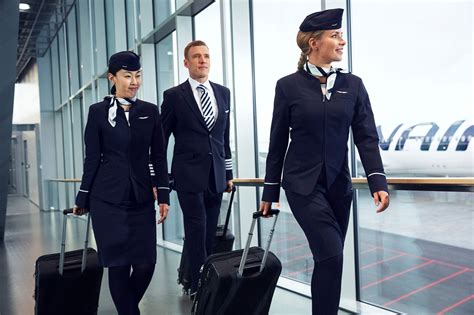
Why Flight Attendants Inspect a Hotel Room Before Unpacking
The first principle behind the 90-second rule is straightforward: do not assume that a hotel room is automatically secure simply because the front desk assigned it to you. Hotel employees can make mistakes, housekeeping may still be working, or a previous problem may not have been noticed immediately. In rare circumstances, a room can even be occupied when another guest is given access to it.
For that reason, flight attendants may enter the room while keeping the door open or temporarily securing it with their luggage. This creates an important advantage. If something appears wrong, they can leave immediately rather than discovering the problem after the door has been closed, luggage has been unpacked, and personal belongings have been spread throughout the room.
The initial inspection is deliberately quick. The objective is not to conduct a forensic examination of every corner of the hotel. It is to identify obvious threats and establish that the room is actually empty and secure. Crew members can then move on to the more ordinary business of preparing for their layover.
The inspection commonly includes the places where an unauthorized person could potentially remain concealed. Flight attendants may look behind curtains, inside closets, under the bed, in the bathroom, around the shower area, and in other spaces that are not immediately visible from the entrance. The process may seem excessive to someone staying in a hotel occasionally, but crew members operate in an environment where repeated exposure to unfamiliar locations makes consistent habits valuable.
The Hotel Door Is the First Security Check
Once the room has been inspected, the door and its locking mechanisms become the next priority. A hotel room can have several layers of security, including a primary lock, deadbolt, latch, or secondary mechanism. Flight attendants are encouraged to make sure those systems actually engage rather than simply assuming they work.
Connecting doors deserve particular attention. If the room has an adjoining door to another guest room, its lock should be checked to ensure it is firmly secured. Connecting rooms can be convenient for families and groups, but an unsecured connecting door represents a different security consideration from a conventional solid wall.
Windows and balcony doors should also be checked, particularly in rooms with outside access. A balcony may appear harmless during daylight hours, yet an unsecured door can become a security issue while someone is sleeping. The same basic rule applies to every possible entrance: know how it opens, know how it locks, and make sure it is secured.
Some crew members also carry personal security devices, such as portable door locks, alarms, or wedges. These devices are not substitutes for a functioning hotel lock, but they can provide an additional physical or audible barrier. In an emergency, even a simple obstacle that causes a door to make noise when moved may provide an important warning.
Never Announce Your Hotel Room Number
The 90-second routine is only one part of the security habits associated with airline crews. Discretion begins before the flight attendant even reaches the room.
When collecting a hotel key card, crew members should avoid saying their room number loudly or displaying it where strangers can easily see it. The principle is simple: there is little reason for someone outside the crew to know exactly where a particular flight attendant is staying.
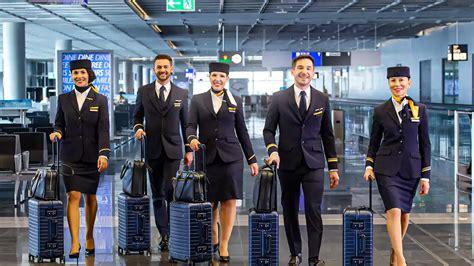
This is especially important because airline crews are recognizable. A uniform, luggage, or a group of people arriving together can make it relatively easy to identify a crew member’s connection to an airline. Someone does not necessarily need to know the person’s name to determine which hotel they are using or when they are likely to leave.
Crew members are often placed in rooms relatively close to one another, allowing colleagues to contact each other and making coordination easier. Senior crew may maintain a list of room numbers for operational purposes, while individual crew members may record colleagues’ rooms so they can meet later. That information, however, is intended for the crew rather than casual observers.
When someone knocks on the door, the same principle applies. Check the peephole before opening the door. If the visitor is unexpected or cannot be identified, there is no reason to open the door simply because someone is standing outside.
Finding the Fire Exit Before Going to Sleep
Security is only half of the hotel-room inspection. Fire safety is another reason flight attendants pay attention to their surroundings before unpacking and settling down.
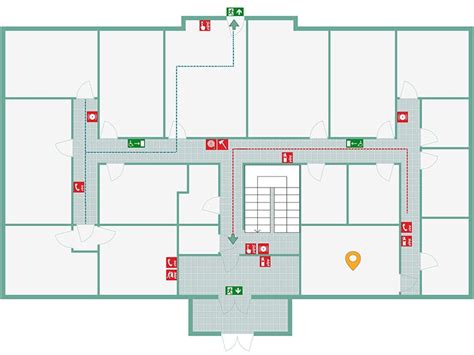
The easiest starting point is the emergency evacuation map normally displayed on the inside of the hotel room door. Instead of merely noticing that the map exists, a traveler can identify the nearest exit and understand the route that would have to be taken if the room became inaccessible because of smoke or fire.
Experienced travelers can take this one step further by physically walking into the corridor and locating the exit signs. This creates a mental picture of the route rather than leaving the information on a diagram that may be difficult to interpret in darkness, smoke, or an emergency.
The concept is similar to the way cabin crew prepare for emergencies on an aircraft. Flight attendants do not simply know that emergency exits exist; they learn their locations and procedures in advance so that an emergency does not become the first moment when they have to figure everything out.
What Flight Attendants Keep Beside the Bed
A hotel room can change dramatically during an emergency. The lights may be out, visibility may be poor, and a traveler may be awakened from deep sleep with very little time to react. That is why some flight crew keep essential items where they can reach them immediately.
A flashlight and spare key card can be particularly useful. The flashlight can help with visibility if the hotel loses power, while a key card may be needed to leave or re-enter areas of the building depending on the property’s security system.
Some crew members also use a towel at the bottom of the door as a temporary measure against smoke. This should not be treated as a replacement for evacuation, however. If there is a fire or significant smoke, the priority is to follow the hotel’s emergency instructions and evacuate safely when possible.
The broader lesson is preparation. Knowing what to do before an emergency happens is much easier than trying to develop a plan during one. This is one reason hotel safety becomes a routine rather than something flight attendants consider only when they notice a specific threat.
The Hotel Safe Has a Clever Flight Attendant Trick
There is another small habit that illustrates how airline crews adapt their routines to frequent travel. Flight attendants sometimes place valuable items such as laptops, watches, or other personal belongings inside the hotel safe when leaving the room.
The problem is that travelers can forget what they have placed inside.
One commonly described trick is to put one uniform shoe inside the safe along with the valuables. When it is time to leave for work, the missing shoe becomes an immediate reminder that something remains locked away. It turns an ordinary part of getting ready for duty into a memory aid.
Personal electronics and valuable belongings should also be kept out of sight when they are not being carried. A locked suitcase can provide an additional layer of protection when a traveler leaves the room, although it should not be considered equivalent to a hotel safe for particularly valuable items.
Layover Safety Continues Outside the Hotel
The 90-second room inspection does not mark the end of a flight attendant’s safety routine. In many ways, leaving the hotel introduces a completely different set of risks.
Crew members may go out in small groups because traveling together provides practical and social advantages. When someone does go out alone, it can be sensible to tell another crew member where they are going and approximately when they expect to return. Someone familiar with the destination may also know which neighborhoods, restaurants, transportation options, and routes are appropriate for crew members.
Situational awareness becomes particularly important after dark. Flight attendants often avoid drawing attention to themselves, do not display expensive possessions unnecessarily, carry limited cash, and stay in populated and well-lit areas. If circumstances begin to feel unusual, returning to the hotel or another known safe location can be the simplest response.
Transportation also requires attention. The hotel key-card holder often contains the property’s address, which can be useful when communicating with a driver. Asking about the fare in advance and avoiding transportation with a malfunctioning meter are basic precautions that can prevent a routine journey from becoming an unnecessary problem.
Why Flight Crew Try Not to Look Like Tourists
Flight attendants can sometimes be identifiable even when they are not wearing uniforms. Groups of crew members may share similar clothing, luggage, accessories, or other small visual details. In places where airline crews regularly visit the same restaurants or stores, local businesses may also become familiar with their patterns.
That recognition is not automatically dangerous, but it explains why crew members are often encouraged to keep a low profile. They generally have little reason to advertise where they work, where they are staying, or how long they will remain in a destination.
Food and nightlife can present additional considerations. Flight crew may be cautious about establishments where prices are unclear or where unfamiliar people are unusually persistent. Alcohol also deserves particular attention because being impaired reduces situational awareness, and reports of drink spiking and theft make it especially important to keep control of one’s surroundings and belongings.
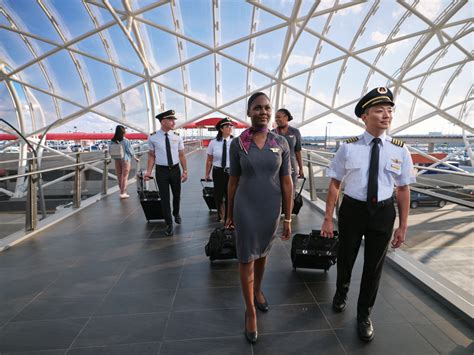
Why Airline Crews Treat Bags and Hotel Transfers Seriously
Security concerns do not begin at the hotel. Crew members also have to protect their luggage while traveling between the airport and hotel. They may keep their bags within sight and verify that all luggage has been loaded onto the crew bus before leaving the airport.
In some destinations, additional precautions can be used, including security personnel or vehicles designed to make the occupants less visibly identifiable as airline crew. Local conditions vary considerably, which is why airline security guidance can differ from one destination to another.
The underlying issue is predictability. A group of uniformed airline employees traveling together follows a recognizable pattern. If outsiders can identify the airline, hotel, arrival time, and departure schedule, they may be able to anticipate where the crew will be.
For that reason, crew members generally avoid publicly revealing their hotel location. What appears to be an innocent conversation about where they are staying can provide more information than intended when combined with details about their schedule.
The 90-Second Rule Is Really About Habit
The most useful aspect of the flight attendant hotel inspection is not any single trick. It is the habit of checking before relaxing.
After spending hours working in an aircraft environment where procedures are repeated constantly, flight attendants are accustomed to turning safety into routine. The same mindset naturally carries over to hotel rooms. Check the room. Check the locks. Check the exits. Understand the surroundings. Then unpack.
For an occasional traveler, spending a minute or two on these checks may feel unnecessary, especially after an exhausting journey. Yet the procedure costs very little time and can provide useful information about the room before a traveler becomes settled inside it.
The approach also has an important limitation: no hotel inspection can eliminate every possible risk. A secure lock cannot prevent every emergency, and knowing where an exit is located does not guarantee that it will remain accessible. Safety procedures reduce avoidable risks; they do not promise complete protection.
For flight attendants, that distinction matters because they spend so much time away from home. Every new hotel represents another unfamiliar environment, and the safest approach is often to establish the basics immediately rather than relying on assumptions.
What Travelers Can Learn From the Flight Attendant Hotel Check
The 90-second hotel safety rule is ultimately a practical reminder that a hotel room is not just a place to sleep. Before unpacking, travelers can take a moment to confirm that the room is unoccupied, check the main and connecting-room locks, secure windows and balcony doors, identify the emergency exit, and keep essential items accessible.
The routine is especially valuable for solo travelers because there may be no companion nearby to notice something unusual or provide immediate assistance. Even travelers staying in high-end properties can benefit from understanding their surroundings rather than assuming that a higher room rate automatically eliminates every security concern.
Flight attendants cannot control every environment they enter. They can, however, control how quickly they become familiar with it. That is the real lesson behind the 90-second rule: before unpacking, take a moment to look around, secure the room, identify the way out, and understand where you are.
For someone who spends every week in a different hotel, that small routine can become second nature. For everyone else, it takes roughly 90 seconds.