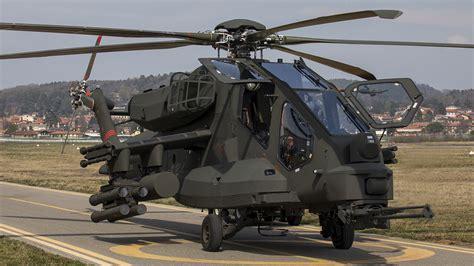
Attack helicopters are often called gunships because they evolved into heavily armed aircraft designed to bring sustained firepower directly to the battlefield. The term, however, did not originate with helicopters. Its roots reach back to heavily armed naval vessels, long before rotary-wing aircraft became practical.
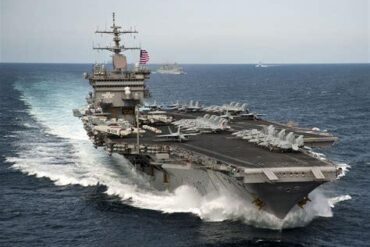
The word gunship originally described ships whose primary purpose included delivering concentrated gunfire. During the American Civil War, both Union and Confederate forces operated heavily armed steam-powered vessels and ironclads on rivers and coastal waters. These gunboats, sometimes called gunships, protected supply routes, attacked fortified positions, and supported troops from the water.
That naval meaning eventually crossed into aviation. As aircraft became increasingly capable of carrying weapons, the idea of a “ship” carrying substantial firepower was transferred into the air. A gunship therefore became less about the physical platform and more about its role: an aircraft built or modified to deliver heavy, sustained weapons fire.
The first major chapter in the aviation use of the term involved fixed-wing aircraft rather than helicopters. The AC-47, originally designated the FC-47 and famously nicknamed “Puff the Magic Dragon,” became the first aircraft officially designated as a gunship. Its weapons were arranged to fire from the side of the aircraft, allowing it to orbit a target while maintaining continuous fire.
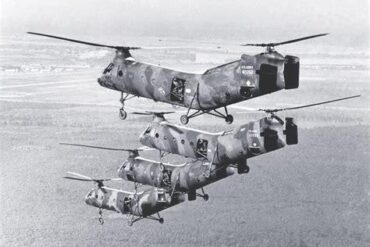
Helicopters developed along a different path. Although early helicopters appeared experimentally decades earlier, they did not become significant military tools until the middle of the 20th century. By the Vietnam War, helicopters had become essential for moving troops, supplies, and wounded personnel across terrain that was difficult or impossible for conventional aircraft and ground vehicles to reach.
The Bell UH-1 Iroquois, better known as the Huey, initially served primarily as a transport and utility helicopter. Its lack of substantial weapons and armor, however, exposed a growing problem: helicopters carrying troops into combat also needed to defend themselves and support those troops.
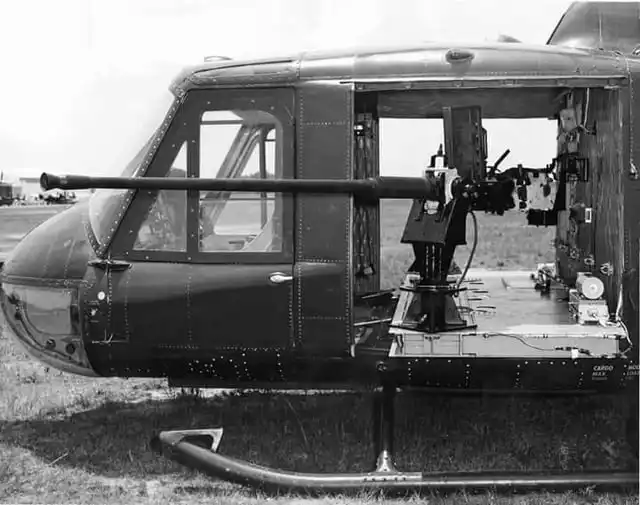
The solution was to add machine guns, rocket launchers, and additional armor. Armed Hueys could escort transport formations, suppress enemy positions, and provide close air support. They were not yet the specialized attack helicopters that would appear later, but their transformation demonstrated why the gunship concept made sense for rotary-wing aircraft.
Vietnam ultimately became known as the “Helicopter War” because helicopters were employed on an unprecedented scale. The experience also encouraged militaries to separate helicopter roles more clearly. Transport helicopters could concentrate on carrying soldiers and equipment, while dedicated attack helicopters could be optimized around weapons, armor, maneuverability, and battlefield fire support.
Modern aircraft such as the AH-64 Apache represent the mature form of that evolution. They are not simply helicopters with guns attached; they are purpose-built combat aircraft designed around sensors, guided missiles, rockets, cannons, armor, and the ability to operate close to hostile forces.
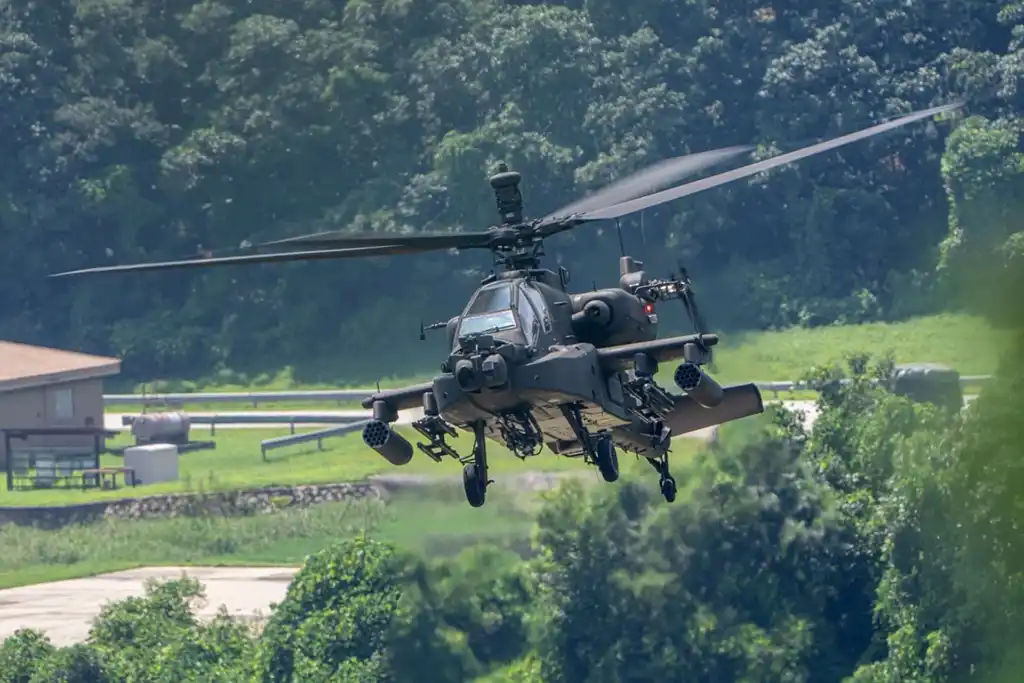
So when an attack helicopter is called a gunship, the name is really a piece of military history. It connects today’s heavily armed rotary-wing aircraft to earlier armed ships and fixed-wing gunships. The word survived because the underlying idea remained the same: a mobile platform whose defining characteristic is the ability to bring concentrated weapons fire where it is needed most.
The helicopter changed how that firepower could be delivered. Instead of sailing along a river or orbiting from the sky in a fixed-wing aircraft, the modern gunship can hover, maneuver at low altitude, exploit terrain, and support ground forces with remarkable precision. That combination is what ultimately gave “gunship” its enduring place in the language of military aviation.