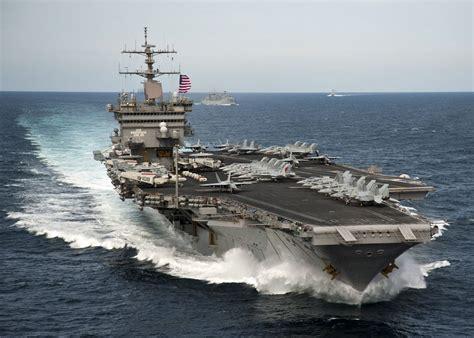
The enduring presence of the Enterprise name within the United States Navy stands as one of the most powerful demonstrations of naval tradition, national identity, and historical continuity. Across centuries of maritime evolution, the name has traveled from modest schooners to nuclear-powered supercarriers, and even beyond Earth’s atmosphere. Understanding why the Navy continues to resurrect this iconic designation requires exploring its extraordinary lineage, its cultural reach, and its unmatched symbolic weight.
The Deep Roots of a Legendary Naval Name
The story begins with the meaning behind the word itself. Enterprise conveys ambition, resolve, and courage—qualities deeply woven into the DNA of the United States from its earliest days. The first American vessel to bear the name was a small ship captured from the British by Benedict Arnold in 1775, an almost poetic origin for a name that would eventually become synonymous with daring American innovation. Throughout the eighteenth and nineteenth centuries, a string of agile schooners and patrol vessels carried the name into naval skirmishes, coastal missions, and maritime expeditions, gradually building its legacy one voyage at a time.
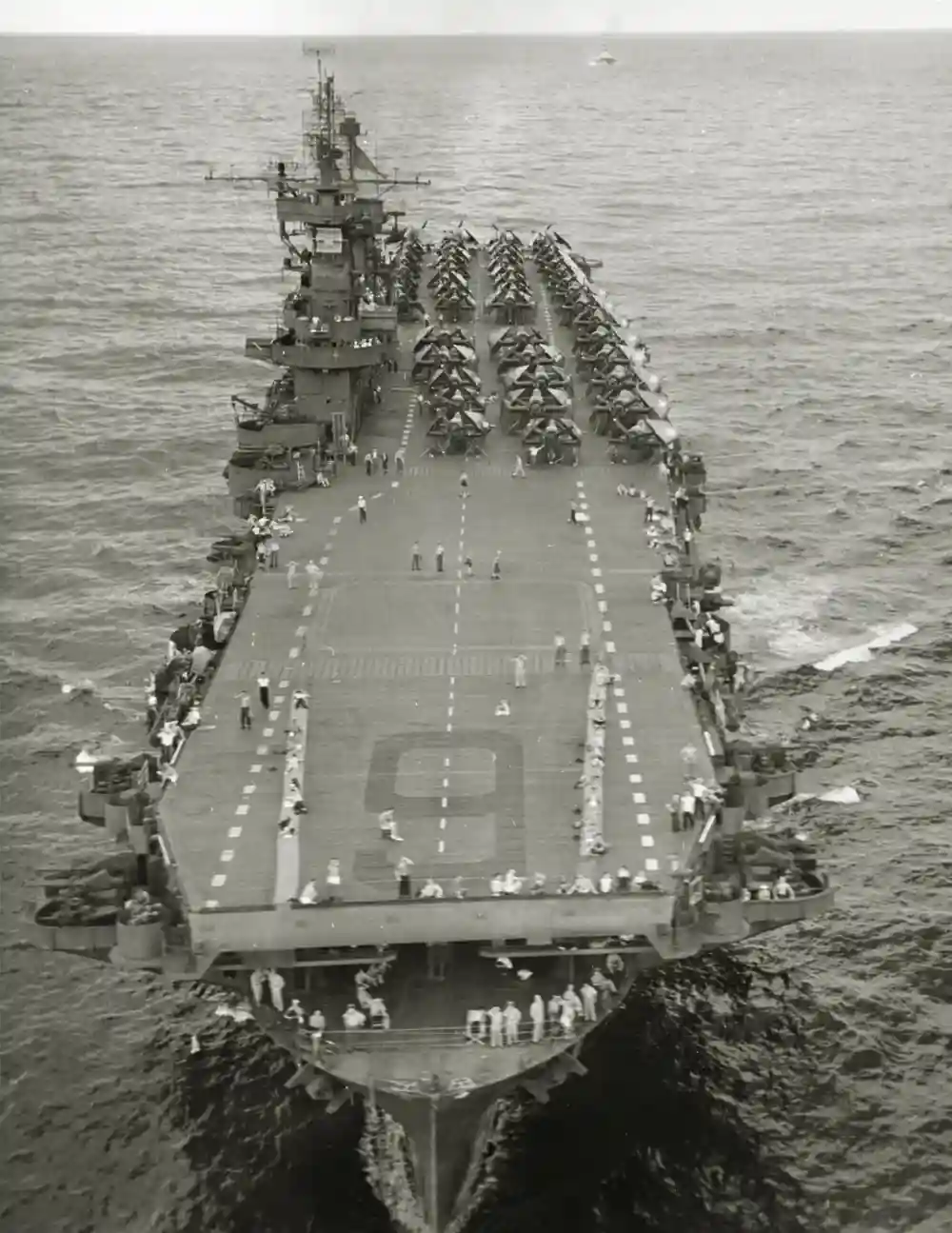
In 1936, the name leapt into global prominence with the launch of USS Enterprise (CV-6), the legendary “Big E”. This Yorktown-class aircraft carrier became one of the most decorated warships in American history, earning an extraordinary combat record across the Pacific War. The Big E’s survival—while its sister ships Yorktown and Hornet were lost—etched its reputation into granite. By the time it was decommissioned and eventually scrapped, the Enterprise name had cemented itself as a naval treasure.
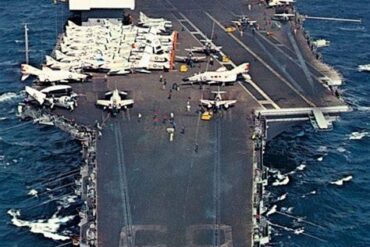
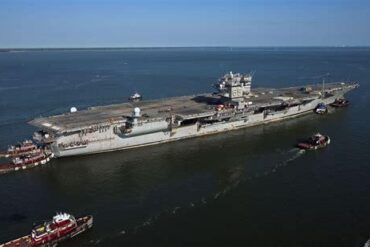
The legend resurged in 1961 with USS Enterprise (CVN-65), the world’s first nuclear-powered aircraft carrier. For more than fifty years, CVN-65 projected American power across the globe, reshaping the scope of naval aviation and demonstrating the strategic reach of nuclear propulsion. Its monumental size, capabilities, and longevity ensured that the Enterprise name remained at the forefront of naval identity well into the twenty-first century.
When Enterprise Left the Ocean Behind
The reach of the Enterprise name eventually transcended the sea entirely. During the 1960s, Gene Roddenberry christened his fictional starship in Star Trek after the real nuclear carrier, creating one of the most influential spacecraft in science fiction. This cultural loop deepened further in the 1970s when NASA, responding to a passionate nationwide campaign from Star Trek fans, named its first space shuttle Enterprise. Although that shuttle never traveled into orbit, it became a crucial prototype in NASA’s design program and a cultural icon in its own right.
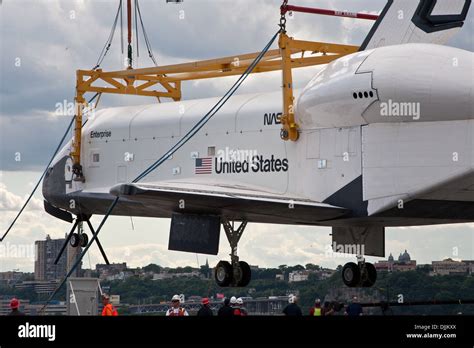
This exchange—where a real Navy ship inspired a fictional vessel, which then inspired a real spacecraft—illustrated the extraordinary symbolic momentum of the Enterprise name. Few naval titles have managed to resonate so powerfully across military history, popular culture, and technological advancement.
Preserving Legacy Through the Next Century
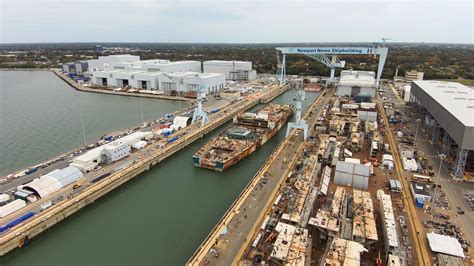
With the decommissioning of CVN-65 in 2017, the Navy temporarily retired the Enterprise name, but only to prepare for its most advanced incarnation yet. The Gerald R. Ford–class carrier CVN-80, currently under construction, will inherit the title and carry the storied name into the next era of naval warfare. Expected to enter service around 2030, CVN-80 represents the continuity of American naval strength, linking the schooners of the Revolution, the fire-scarred decks of Midway, the nuclear-powered might of the Cold War, and the cutting-edge systems of modern maritime dominance.
The Navy keeps naming ships Enterprise because the name embodies a living legacy. It is a bridge across centuries, a reminder of the nation’s earliest battles, a salute to the heroism of World War II sailors, a nod to the nuclear age, and a cultural beacon recognized worldwide. Every new ship bearing the name becomes not just a vessel, but a chapter in a story still being written.
As CVN-80 moves toward its launch, the Enterprise tradition illustrates how deeply a single name can shape identity, inspire exploration, and bind history together—at sea, in fiction, and even in space.