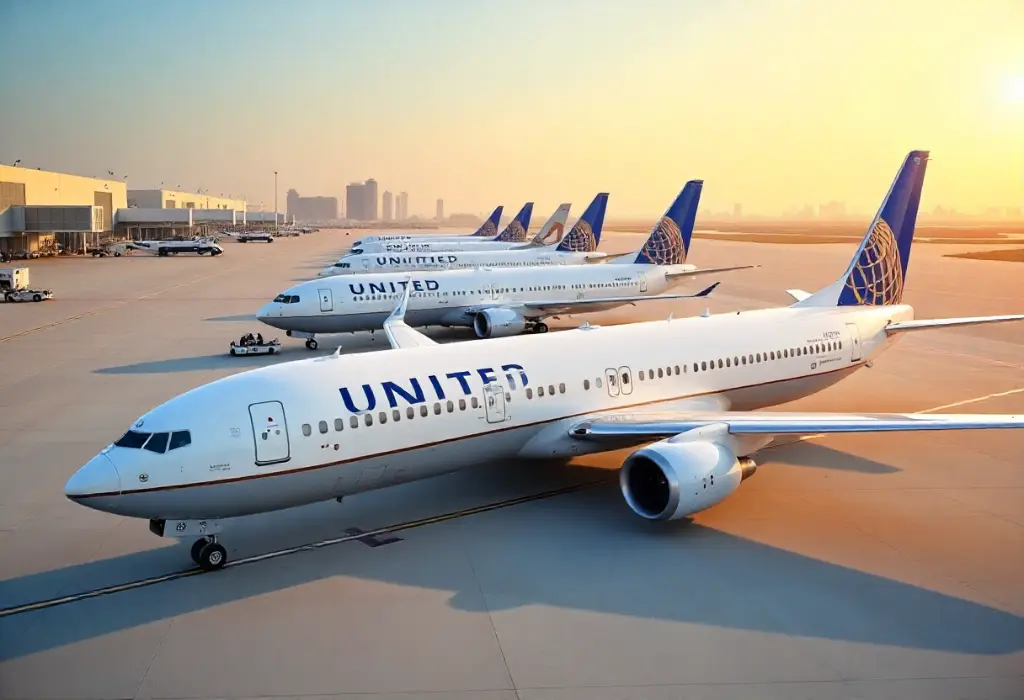
Dubai Aerospace Enterprise (DAE) has taken a strategic leap in solidifying its role as a global aviation powerhouse through a newly finalized agreement to deliver 10 Boeing 737-9 aircraft to United Airlines. This development represents a key milestone in both companies’ operational evolution and signals a significant pivot toward more sustainable, efficient, and passenger-friendly air travel.
DAE’s Strategic Partnership with United Airlines
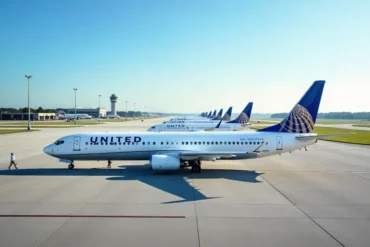
Under the terms of the agreement, DAE will lease ten Boeing 737-9 aircraft to United Airlines, with deliveries scheduled between August 2025 and February 2026. This timeline provides United with a manageable integration window while supporting its aggressive fleet modernization agenda. The aircraft are being delivered as part of DAE’s long-term leasing strategy and reinforce the lessor’s position as a top-tier provider of next-generation jets.
For United Airlines, the partnership with DAE is more than a mere fleet expansion. It’s a strategic upgrade that supports the carrier’s plan to retire older, less efficient jets and transition toward more environmentally friendly operations. The Boeing 737-9, as part of the MAX series, is known for its exceptional fuel efficiency, advanced aerodynamics, and cutting-edge engine technology—elements that align well with United’s sustainability goals.
Why the Boeing 737-9 Represents a New Era in Aviation
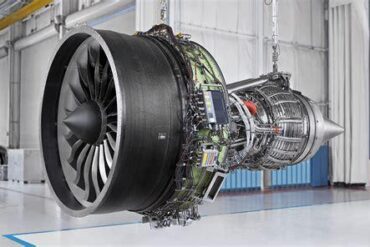
The Boeing 737-9, a core member of the 737 MAX family, is purpose-built for medium- to long-haul routes, combining higher passenger capacity with reduced environmental impact. Powered by CFM International LEAP-1B engines and equipped with advanced split-tip winglets, the aircraft reduces fuel burn and noise levels by significant margins. Compared to previous-generation aircraft, the 737-9 delivers up to 20% lower fuel consumption, which directly translates to lower operational costs and reduced CO₂ emissions.
Beyond fuel efficiency, the aircraft features a streamlined cabin experience. Passengers benefit from quieter engines, increased overhead storage, larger windows, and improved lighting. For airlines, this aircraft class strikes the optimal balance between cost-per-seat-mile efficiency and passenger satisfaction, making it a popular choice for high-volume domestic and transcontinental routes.
United Airlines: Preparing for a Post-Pandemic Travel Surge
As global aviation demand climbs back to pre-pandemic levels, United Airlines is seizing the moment to reinforce its competitiveness. The acquisition of these new 737-9 aircraft through DAE supports United’s broader initiative to modernize its narrow-body fleet, reduce its average aircraft age, and embrace next-generation fuel-saving technologies.
The integration of these aircraft is expected to enhance United’s ability to:
- Serve more passengers without increasing fuel costs
- Meet evolving regulatory and environmental standards
- Offer a more comfortable onboard experience to travelers
- Maintain a robust, reliable domestic and short-haul international network
With sustainability pressures mounting across the aviation sector, United’s move to incorporate fuel-efficient aircraft is both environmentally conscious and financially strategic.
DAE’s Expanding Global Aviation Footprint
Dubai Aerospace Enterprise, headquartered in the UAE, has grown into one of the world’s most prominent aviation leasing firms. With a current fleet exceeding 750 aircraft, the company has successfully positioned itself as a pivotal enabler of global air connectivity. DAE’s portfolio is diversified across leading manufacturers like Boeing and Airbus, serving over 120 airline customers in 60 countries.
This latest partnership with United Airlines is reflective of DAE’s ambition to:
- Expand its footprint in the North American aviation market
- Deepen ties with top-tier global carriers
- Strengthen its leasing portfolio with fuel-efficient, in-demand aircraft
- Play a more active role in industry-wide decarbonization efforts
DAE’s existing relationship with Boeing is further solidified through this deal. The lessor now owns or manages approximately 225 Boeing aircraft, with many of them belonging to the highly popular MAX series.
The Broader Industry Implications: A Push Toward Decarbonization
This agreement also reflects a broader paradigm shift sweeping across global aviation. With regulators, investors, and passengers all demanding lower carbon emissions, airlines and lessors alike are looking for ways to transition to more sustainable fleets. The Boeing 737-9 answers this demand with a compelling value proposition: lower fuel burn, longer range, and fewer emissions per passenger.
Aircraft lessors like DAE play a vital role in facilitating this transition. By providing airlines with access to the latest fuel-efficient aircraft without the capital burden of outright purchases, they are accelerating the industry’s path toward net-zero emissions. With the International Air Transport Association (IATA) and other stakeholders pushing for net-zero carbon emissions by 2050, deals like this one will become increasingly common—and increasingly necessary.
United Airlines’ Fleet Strategy in Context
United Airlines is among the U.S. carriers most heavily investing in fleet renewal and sustainability. Over the past several years, the airline has unveiled numerous orders for fuel-efficient jets, including Boeing 787 Dreamliners and Airbus A321neo aircraft. The addition of the Boeing 737-9 MAX jets complements United’s vision of building a more streamlined, efficient fleet optimized for both short and medium-haul missions.
These new aircraft not only replace older Boeing 757s and 737-900s but also enhance route flexibility and offer higher seat-mile efficiency. For a major network carrier like United, operating a homogeneous fleet of MAX aircraft reduces maintenance complexity, training costs, and parts logistics—key factors that help preserve profitability in a volatile market.
DAE’s Long-Term Strategy and Vision
Dubai Aerospace Enterprise continues to align itself with industry-leading performance, leveraging its capital strength and global reach to build a resilient, high-demand aircraft portfolio. With strong backing from shareholders and the UAE’s strategic focus on transport and logistics, DAE’s growth trajectory remains steep.
The company’s long-term strategy centers on:
- Deepening partnerships with blue-chip airlines
- Prioritizing investment in next-generation aircraft
- Maintaining a balanced mix of owned and managed assets
- Providing flexible leasing structures that cater to evolving airline needs
DAE’s emphasis on fleet sustainability and customer-centric solutions places it at the forefront of the global aircraft leasing market, poised to benefit from the next wave of air travel growth.
A Deal That Reflects the Future of Flight
The leasing deal between Dubai Aerospace Enterprise and United Airlines is more than a fleet transaction—it’s a signpost pointing to the future of commercial aviation. As the industry evolves, key players are leaning into technology, operational excellence, and environmental responsibility to remain relevant.
By choosing the Boeing 737-9 MAX, United Airlines affirms its commitment to reducing its carbon footprint while delivering a superior travel experience. Meanwhile, DAE positions itself as an indispensable partner in enabling that transformation, supplying the aircraft that will define air travel in the decades to come.
The deal also reinforces the growing convergence of aviation finance, sustainability, and global logistics. With rising passenger demand, stricter environmental regulations, and a need for financial flexibility, this agreement exemplifies how the aviation ecosystem is adapting.
Conclusion: A Milestone Moment for Aviation’s Green Future
As Dubai Aerospace Enterprise expands its fleet with 10 state-of-the-art Boeing 737-9 aircraft, the company cements its role as a transformative force in the global aviation market. For United Airlines, these jets signify a strategic move toward building a more efficient, competitive, and environmentally responsible operation.
The partnership marks a defining moment in commercial aviation’s evolution—one where innovation, economic pragmatism, and environmental stewardship intersect. As global airlines race to modernize fleets and meet net-zero objectives, the DAE-United deal stands as a model of future-ready fleet planning. It is not merely about acquiring aircraft; it is about investing in the future of flight.