Boeing’s plan to increase 787 Dreamliner production has received a major vote of confidence from GE Aerospace, which has confirmed that it is prepared to support higher aircraft output with increased GEnx engine deliveries. The engine manufacturer said shipments have already accelerated significantly, removing concerns that a lack of powerplants could become a bottleneck for Boeing’s widebody production expansion.
GE Aerospace CEO Larry Culp emphasized that demand for the Dreamliner remains strong and that the company is fully aligned with Boeing’s production goals. Engine deliveries for the program increased by approximately 30% year over year in the second quarter, demonstrating that GE is scaling its supply chain to match Boeing’s ambitions.
The announcement comes as Boeing targets a production increase from roughly eight 787 aircraft per month to 10 aircraft per month. While aerospace manufacturers continue to face challenges involving suppliers, labor shortages, and component availability, GE believes its engine supply position allows the Dreamliner program to move forward confidently.
GE Aerospace Confirms Strong Engine Supply for Charleston 787 Facility
A key factor behind GE’s confidence is the existing inventory of GEnx engines at Boeing’s Charleston, South Carolina, facility. GE confirmed that months of engine supply are already available at the production site, giving Boeing additional flexibility as it increases Dreamliner assembly rates.
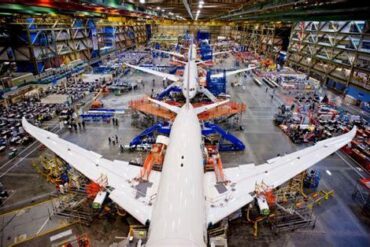
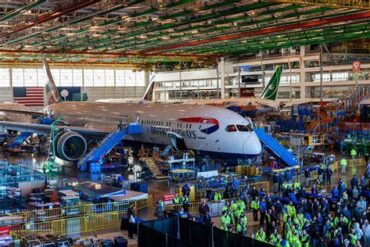
The Charleston facility plays a central role in Boeing’s 787 manufacturing network, producing aircraft for global airlines that rely on the Dreamliner for long-range operations. With engine availability secured, Boeing can focus on maintaining a smoother production flow while addressing other areas of the supply chain.
Culp stated that GE is “highly motivated” to support Boeing’s expansion and will remain closely connected with the aircraft manufacturer throughout the production increase. The partnership between the two companies is especially important because the GEnx-1B engine powers the majority of the global 787 fleet.
“GE will support and is supporting the 787 ramp. We’re highly motivated. We’re well aligned. There’s no debate there. We will be with them every step of the way,” Culp said.
The GEnx Engine Powers Four Out of Five Boeing 787 Dreamliners
The importance of GE’s role in the Dreamliner program is significant. More than 1,100 Boeing 787 aircraft are currently active worldwide, and approximately 80% of the fleet uses GE GEnx engines. This makes GE one of the most important suppliers behind the aircraft’s continued success in the global widebody market.
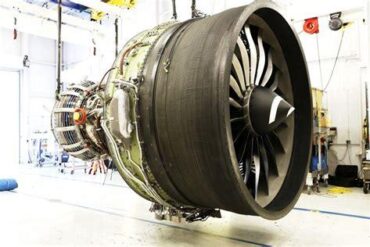
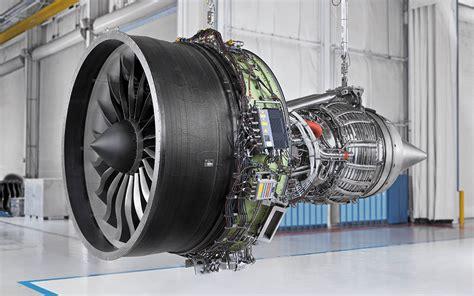
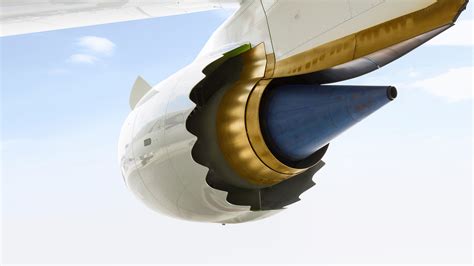
The GEnx-1B was designed specifically for modern long-haul aircraft, combining advanced materials, improved aerodynamics, and lower fuel consumption. The engine features composite fan blades and lightweight components that help reduce overall aircraft weight while maintaining strong performance.
Compared with older-generation engines, the GEnx-1B delivers around 15% improved fuel efficiency. For airlines operating long-distance routes, this efficiency advantage can translate into millions of dollars in annual fuel savings while also reducing carbon emissions.
Fuel Efficiency and Reliability Strengthen the Dreamliner’s Competitive Advantage
The Boeing 787 Dreamliner has become one of the aviation industry’s most successful widebody aircraft because of its focus on efficiency, range, and passenger comfort. The GEnx engine plays a major role in delivering those benefits by helping airlines operate profitable long-haul routes with lower operating costs.
According to GE Aerospace, the engine can save airlines up to $300,000 in fuel costs annually compared with competing powerplants. The efficiency improvements also contribute to significant environmental benefits, with reductions of approximately two million pounds of carbon dioxide emissions per aircraft each year.
Reliability is another major advantage of the GEnx family. The engine has achieved a 99.98% dispatch reliability rate, meaning airlines experience fewer delays and cancellations caused by engine-related maintenance issues. Longer periods of operation between maintenance events allow aircraft to spend more time generating revenue instead of remaining on the ground.
The engine’s heat-resistant coatings, advanced materials, and efficient design also extend maintenance intervals, improving the overall economics of operating the 787 Dreamliner.
GE and Boeing Prepare for Rising Global Demand
As airlines continue rebuilding international networks and expanding long-haul services, demand for efficient widebody aircraft remains strong. The Boeing 787 has benefited from this trend because it can serve both high-demand international routes and thinner long-distance markets that previously required larger aircraft.
GE expects engine demand to increase further during the second half of the year as Boeing’s production rate rises. The company has also confirmed that most previous delivery challenges have been resolved, allowing both manufacturers to better coordinate future requirements.
The continued cooperation between Boeing and GE Aerospace highlights how critical supplier relationships are in modern aircraft manufacturing. Increasing aircraft production requires not only additional assembly capacity but also reliable access to essential components such as engines.
With GE increasing GEnx shipments by 30% and maintaining confidence in future supply levels, Boeing’s 787 Dreamliner production increase appears to have strong support from one of its most important partners. The partnership ensures that airlines waiting for new Dreamliners can benefit from the aircraft’s efficiency, reliability, and long-range capabilities.