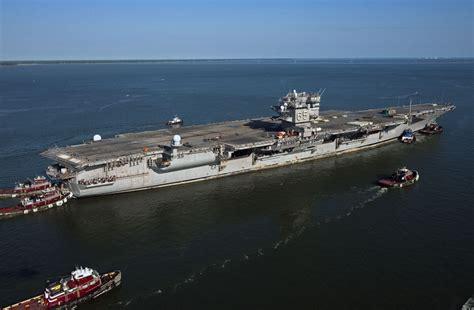
The dismantlement of a historic warship is rarely smooth, but the saga surrounding the USS Enterprise (CVN-65) has turned into a striking example of how modern digital systems can disrupt even the most meticulously planned military operations. What should have been a controlled, high-value decommissioning effort has spiraled into legal conflict, bureaucratic delay, and rising uncertainty—all triggered by a critical computer glitch at the worst possible moment.
The Legacy of America’s First Nuclear Carrier
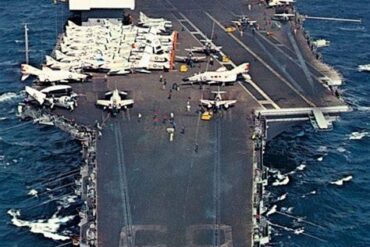
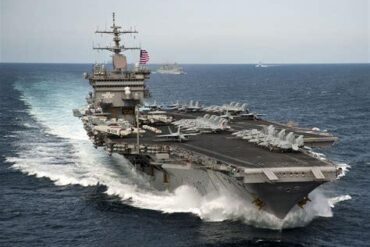
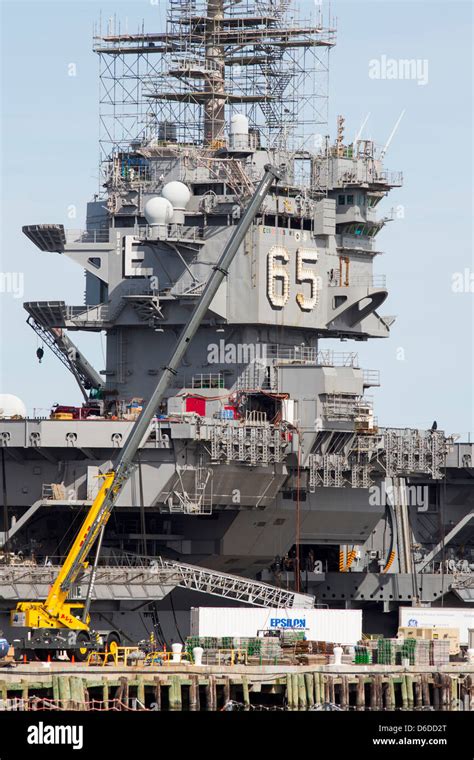
Commissioned in 1958, the USS Enterprise (CVN-65) was not just another aircraft carrier—it was a technological leap that reshaped naval warfare. As the world’s first nuclear-powered aircraft carrier, it symbolized American innovation during the Cold War and served for more than five decades before being decommissioned in 2012.
Unlike conventional vessels, dismantling a nuclear-powered ship is a highly complex, multi-phase operation involving radioactive material handling, environmental safeguards, and precision engineering. The Navy’s plan to fully dismantle the Enterprise marked a historic first, setting a precedent for future nuclear vessel disposals.
A $500 Million Contract Thrown Into Chaos
The U.S. Navy initiated a competitive bidding process for the dismantlement contract, valued at approximately $537 million. Companies were required to submit proposals through the Procurement Integrated Enterprise Environment (PIEE), a digital platform designed to streamline defense contracting.
However, on the final day of submissions in April 2025, the system reportedly failed at a critical juncture. Bidders encountered slow loading times, system lockouts, and submission failures, effectively preventing some firms from participating.
Among those affected was HII Shipcycle LLC, which argued that the technical issues directly caused its inability to submit a timely bid. Despite requests for leniency, the Navy proceeded with awarding the contract to NorthStar Marine Dismantlement Services LLC in May 2025, partnering with Modern American Recycling and Radiological Services.
Legal Battles Erupt Over Fairness and Transparency
The fallout was immediate. EnergySolutions Federal Support LLC and HII Shipcycle filed formal protests, claiming they were unfairly excluded due to a government system failure. Their argument struck at the heart of federal procurement integrity: if the platform fails, can the outcome still be considered fair?
In February 2026, Judge Philip S. Hadji ruled in favor of the protesting companies. The decision ordered the Navy to halt the awarded contract and reopen the bidding process, effectively resetting the competition.
The ruling underscored a critical issue—digital infrastructure is now a single point of failure in billion-dollar defense operations.
NorthStar Pushes Back as Timelines Slip
For NorthStar, the ruling was more than a procedural setback—it threatened a project already in motion. The company quickly filed an appeal, arguing that halting the contract would delay national defense priorities and disrupt logistical planning.
NorthStar had already begun preparations to tow the Enterprise’s hull to Mobile, Alabama, for dismantling. The plan, however, faced local resistance and is now further complicated by legal uncertainty.
Meanwhile, the Navy has signaled compliance with the court’s directive, announcing that it will reopen the solicitation and allow revised proposals, with a new contract decision expected by mid-2026.
Why Warship Dismantlement Is So Complex
Dismantling a vessel like the USS Enterprise is not simply about scrapping steel. It involves:
- Radiological decontamination of nuclear propulsion systems
- Hazardous material management, including asbestos and fuel residues
- Environmental compliance across federal and state regulations
- Massive structural disassembly, requiring specialized infrastructure
The original timeline projected completion by November 2029. With legal challenges and rebidding delays, that schedule now appears increasingly unrealistic.
A Cautionary Tale for Digital Defense Systems
At its core, this crisis is not just about one ship—it is about the vulnerability of defense operations to digital system failures. A single glitch in a procurement platform has cascaded into millions in delays, legal disputes, and operational uncertainty.
For a military that prides itself on precision and readiness, the lesson is stark: technological dependence must be matched with resilience and redundancy.
As the USS Enterprise awaits its final fate, its last chapter is no longer defined by naval dominance, but by a modern battlefield few anticipated—the fragile intersection of software, bureaucracy, and national defense logistics.