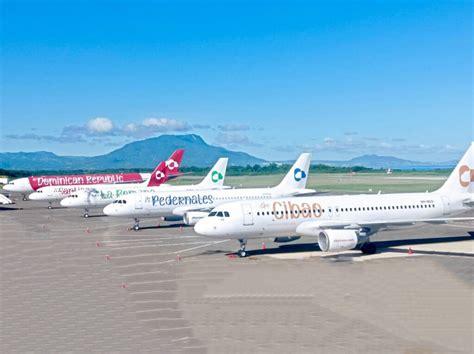
Founded in 2014, but only commencing operations in January 2021, Sky Cana represented a bold vision for Dominican aviation. As a carrier headquartered in Santo Domingo, its ambitions stretched across borders, targeting key destinations in the Caribbean, United States, and Latin America. With a model rooted in ACMI (Aircraft, Crew, Maintenance, and Insurance) operations and strategic alliances, the airline promised a new chapter for the Dominican Republic’s place in the global airspace. Yet, just three years later, Sky Cana ceased operations in April 2024, leaving a mixed legacy of innovation, logistical challenges, and unfulfilled potential.
The Vision Behind Sky Cana’s Launch
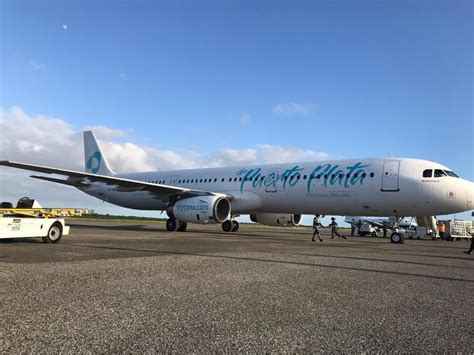
Sky Cana emerged from a rebranded logistics company, LogicPaq, which initially received its Air Operator’s Certificate (AOC) in 2016. The vision was clear: a modern airline that would support both tourism and cargo logistics, while serving as a conduit for charter services and bespoke aviation solutions. The transformation into a full-fledged airline, supported by Sky Holdings Corporation, reflected a broader ambition to position the Dominican Republic as a regional aviation hub.
Launching in 2021, Sky Cana immediately distinguished itself by becoming the first airline in the Americas to offer “flights to nowhere”. These sightseeing journeys allowed passengers to enjoy panoramic aerial views of their city without the need for a travel destination. For a tourism-dependent nation grappling with the pandemic’s travel restrictions, this concept gained traction as both a novelty and a revenue-generating mechanism.
Strategic Hubs and Regional Connectivity
Sky Cana operated out of two primary hubs:
- Las Américas International Airport (Santo Domingo)
- Cibao International Airport (Santiago de los Caballeros)
From these bases, the airline offered a mix of charter, cargo, and limited scheduled passenger flights. Notably, the brief service from New York-JFK to both Santo Domingo and Santiago was emblematic of its effort to capture the Dominican diaspora in the United States. The choice of JFK underscored Sky Cana’s ambition to tap into lucrative and underserved trans-Caribbean routes.
Aircraft Fleet and Partnerships
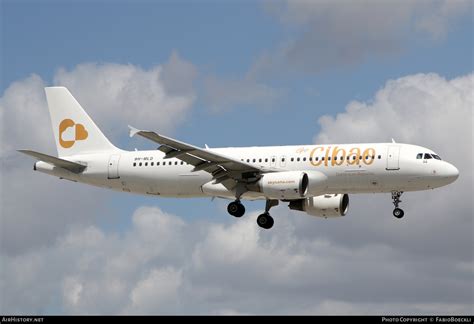
To meet its operational goals, Sky Cana relied heavily on wet leasing through partnerships with European operators, especially Avion Express Malta and SmartLynx Airlines Malta. By 2022, its fleet included:
- 5 Airbus A320-200s (leased from Avion Express and Heston Airlines)
- 3 Airbus A321-200s (leased from Avion Express Malta)
- 1 Airbus A330-300 (leased from SmartLynx)
- 1 ATR 72-200F (operated by Air Century)
- 1 Boeing 737-800BCF (leased from Bluebird Nordic)
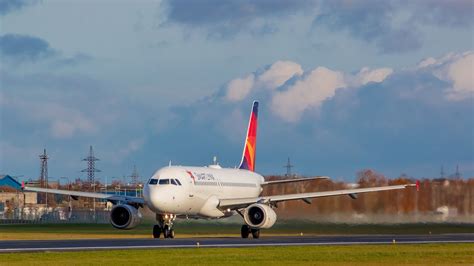
This diverse fleet, while flexible, came with its own set of challenges. Leasing meant dependency on foreign maintenance cycles, and cost pressures were high. Moreover, the large-capacity Airbus A330—while impressive—may have been excessive for the routes Sky Cana was actively pursuing, limiting its profitability.
Cultural Integration and Community Engagement
Sky Cana didn’t merely operate in the Dominican Republic—it embedded itself in the country’s cultural identity. A major public relations win came when the Dominican Professional Baseball League (LIDOM) appointed the airline to transport champion teams to represent the nation in the Caribbean Series:
- 2021: Águilas Cibaeñas to Mazatlán, Mexico
- 2023: Tigres del Licey to Caracas, Venezuela
These symbolic flights reinforced Sky Cana’s national image, turning routine logistics into patriotic moments. The airline was seen as more than a business—it became a vehicle of national pride.

Cargo and Logistics: Diversifying Revenue Streams
Beyond passenger services, Sky Cana pursued an aggressive cargo strategy. Its ATR 72-200F and Boeing 737-800BCF were deployed to support freight operations, especially during the volatile COVID-19 era when supply chains were under strain. These aircraft were crucial in delivering time-sensitive cargo between Punta Cana, Medellín, and other Caribbean ports.
This diversification mirrored global trends. As passenger demand declined in early 2020s, cargo became a vital lifeline for many airlines. Sky Cana capitalized on this shift, albeit temporarily. However, sustaining a dual-focus model—especially when both services rely on leased fleets—placed immense pressure on its operational agility and profitability margins.
The Downfall: Internal Friction and External Forces
Sky Cana’s operations officially ended in April 2024. The shutdown was swift but not entirely unexpected. Several signs had indicated mounting internal friction and structural fragility:
- Over-reliance on wet leases added fixed costs that became unsustainable without consistent load factors.
- Limited route expansion, particularly in the U.S., restricted revenue opportunities.
- Operational disruptions and delays began affecting reputation and consumer trust.
- Market competition from established Caribbean carriers and new low-cost entrants like Arajet eroded Sky Cana’s price competitiveness.

Additionally, aviation analysts point to the complexities of maintaining two distinct business lines—cargo and passenger services—without adequate infrastructure. Sky Cana’s ambition was outsized for its resources, and the lack of owned assets further undermined its financial resilience.
Industry Partnerships and Missed Opportunities
Sky Cana’s alignment with Air Century, another Dominican aviation entity, provided some initial synergies. Joint operations and shared assets allowed for expanded reach, especially for regional flights. However, deeper integration may have helped both companies achieve better economies of scale.
Similarly, while Sky Cana’s cooperation with Avion Express Malta was a cornerstone of its fleet strategy, it also reflected a dependence on external entities that left the airline vulnerable to changing lease terms and global fuel pricing shocks.
The Sky Cana Experience: Innovation Amidst Instability
Despite its short lifespan, Sky Cana introduced several creative elements that hinted at its innovative spirit:
- Flights to Nowhere, a Caribbean-first initiative, highlighted the airline’s adaptability in uncertain times.
- Branded Charter Services like Go Samana and Go Punta Cana tailored travel experiences to specific tourist demographics.
- Helicopter transfers and air ambulance services diversified the airline’s offerings beyond conventional travel.
These elements suggested a company eager to explore new revenue paths and serve niche markets. Yet without a robust financial backbone or consistent operational efficiency, these ideas remained experimental rather than scalable.
Legacy and Lessons Learned
The fall of Sky Cana offers a powerful case study in modern aviation strategy. It reflects the dangers of scaling too quickly without securing foundational stability. From a business model heavily reliant on leased aircraft to ambitious multi-market engagement with insufficient differentiation, Sky Cana’s trajectory was built more on vision than viability.
Nevertheless, its legacy is not devoid of merit. Sky Cana:
- Elevated Dominican aviation visibility on the global map.
- Pioneered tourist-focused charter experiences in the region.
- Contributed to infrastructure development and job creation during its operational peak.
As the Dominican Republic continues to position itself as a Caribbean air travel nexus, Sky Cana’s brief but bold tenure will inform the next generation of regional aviation ventures.
Final Thoughts: A Sky Once Lit, Now Dimmed
Sky Cana was more than a startup airline. It was a bold vision of Dominican progress, identity, and global connectivity. It dared to try what few others did—creating an aviation experience deeply tied to national culture while navigating the competitive complexities of modern air travel. Its failure does not negate its courage. It merely highlights the brutal realities of an industry where margins are razor-thin, and resilience is key.
As a footnote in Caribbean aviation history, Sky Cana remains a symbol of daring ambition. The skies it once claimed now lie open, waiting for a new dream to take flight.