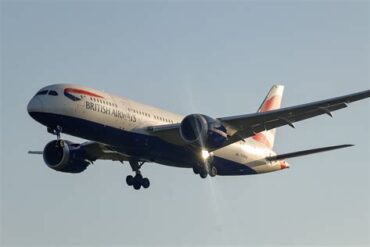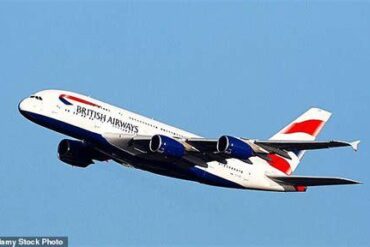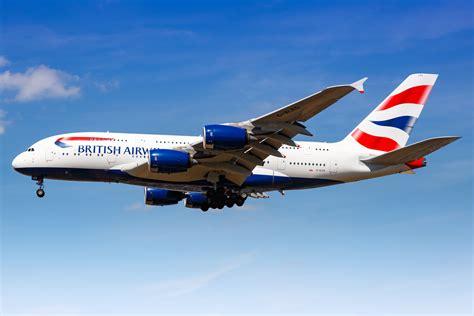
From the bustling terminals of London Heathrow (LHR), British Airways has re-embraced an aircraft many thought was destined for aviation history—the Airbus A380. Once thought to be obsolete in a post-pandemic world, the A380’s resurgence at BA signals not only a tactical necessity but also a strategic masterstroke in managing high-density international routes and slot-restricted airports. With 12 Airbus A380s fully back in service, the carrier now operates one of the few remaining fleets of this iconic double-decker jet, joining an elite club that includes Emirates, Singapore Airlines, Qantas, and Lufthansa.
The core driver behind this comeback lies in delayed aircraft deliveries. British Airways has long awaited the arrival of newer models like the Boeing 777X and the Airbus A350-1000, both of which have suffered setbacks. With its Heathrow operations shackled by severe slot constraints, BA needed a high-capacity, cost-efficient solution to maintain and grow its international reach—and the A380 delivered just that.
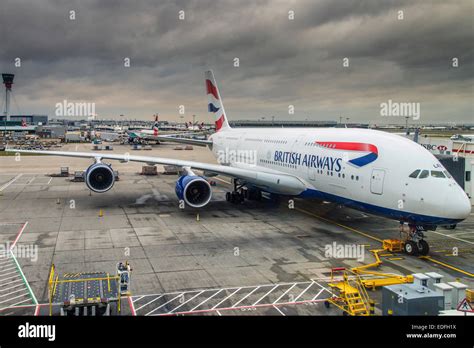
The Slot Dilemma at Heathrow and Why the A380 is Ideal
London Heathrow is one of the most capacity-constrained airports in the world. Landing slots are scarce and expensive, making each available movement invaluable. British Airways’ strategy to deploy the A380 is rooted in maximizing passenger loads per slot. With the ability to carry up to 469 passengers, the A380 allows BA to significantly boost revenue per takeoff, especially on high-demand routes.
Moreover, BA owns its A380 fleet outright, avoiding the burdens of lease payments or interest-heavy financing. These fully depreciated aircraft now offer a low-cost method of serving premium international routes without sacrificing product quality or operational consistency.
A Fleet Reborn with Four Class Luxury
Each of British Airways’ 12 Airbus A380s is configured in a four-class layout:
- 14 First Class seats
- 97 Club World (Business Class) seats
- 55 World Traveller Plus (Premium Economy) seats
- 303 World Traveller (Economy) seats
This premium-heavy configuration enhances profit margins, especially since First and Business Class are consistently booked on routes like Los Angeles (LAX), San Francisco (SFO), and Singapore (SIN).
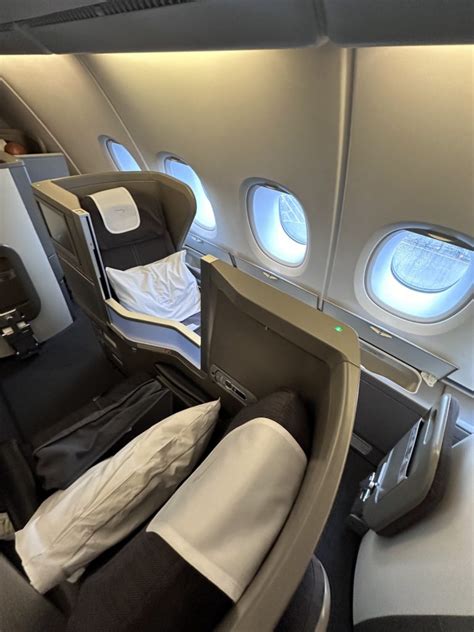
The upper deck of the A380 spans the entire length of the fuselage and offers up to 50% more floor space than the Boeing 747-400. Passengers enjoy quieter cabins, better air circulation, and on-demand entertainment in every seat. The in-flight bar in Club World adds a touch of luxury at 30,000 feet, contributing to the A380’s continued appeal among BA’s top-tier clientele.
Operational Scope: Where BA’s A380s Fly
British Airways deploys the A380 on long-haul, high-density routes where the aircraft’s full potential can be leveraged. These destinations include:
- Los Angeles (LAX)
- Miami (MIA)
- Washington D.C. (IAD)
- San Francisco (SFO)
- Johannesburg (JNB)
- Singapore (SIN)
On several of these routes, including Los Angeles and Johannesburg, the A380 operates double daily, maximizing passenger throughput while minimizing slot consumption.
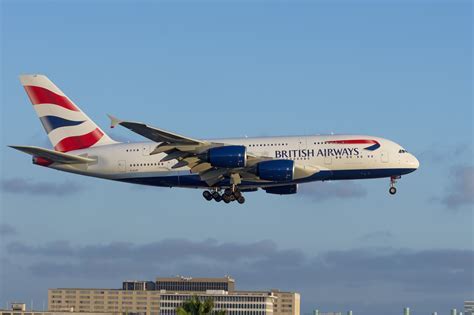
Pandemic Setback and the Unexpected Revival
At the height of the COVID-19 pandemic, British Airways, like many global carriers, grounded its entire A380 fleet. Many industry analysts believed the aircraft would never return, citing its fuel consumption and high maintenance costs. Indeed, airlines like Air France, Malaysia Airlines, and Thai Airways made the decision to retire their A380s permanently.
Yet, as air travel demand rebounded and widebody deliveries lagged, BA found itself in urgent need of long-haul capacity. Bringing back the A380 was no longer an option—it became a strategic imperative. Each aircraft is now being refurbished with updated interiors, scheduled for completion by the end of next year. These upgrades include new seats, better IFE systems, and modernized cabin finishes that align with the airline’s next-generation fleet.
Technical Edge and Unique Comforts
The A380 isn’t just big—it’s engineered for silence and comfort. With ultra-high bypass ratio engines and specialized sound insulation, the aircraft offers a uniquely serene cabin environment. Passengers consistently rank it among the quietest long-haul aircraft in the world.
Another fun fact: the A380’s wings are 54% larger than the Boeing 747’s and can flex up to four meters during takeoff. These technical marvels contribute to both its smooth flight performance and operational efficiency.
First Class: The Flagship Experience
Flying First Class on the British Airways A380 is more than a premium seat—it’s a bespoke travel experience. From the moment a First Class passenger arrives at the airport, they are greeted with priority check-in, fast-track security, and exclusive lounge access.
Onboard, each suite transforms into a fully flat bed, adorned with luxurious bedding crafted from recycled plastic bottles. Passengers are pampered with Temerley London loungewear, an Elemis amenity kit, slippers, and a dedicated flight attendant to cater to their needs. The in-flight dining is a multi-course indulgence that rivals high-end restaurants, reaffirming the airline’s reputation for elegant British hospitality.

Looking Ahead: A Temporary Giant or a Long-Term Asset?
British Airways currently awaits deliveries of the Airbus A350-1000 and the Boeing 777-9, which will likely replace the A380 in time. However, industry delays mean the A380 will remain a vital part of the BA long-haul strategy well into the 2030s. Fleet age data supports this; the A380s have an average age of 11 years, younger than many other BA aircraft.
When eventually retired, the British Airways A380 fleet is likely to receive a royal farewell, befitting of its role in shaping the airline’s modern identity. Until then, these giants will continue to dominate transcontinental skies, ferrying thousands across the globe daily.
Conclusion: The A380’s British Revival
The British Airways Airbus A380 revival story is not just about capacity—it’s about timing, strategy, and resilience. In an era where agility and foresight are paramount, BA’s decision to bring back the A380 showcases a deep understanding of aviation economics, slot dynamics, and customer expectations. By fully leveraging these aircraft during a period of fleet transition, British Airways has bought itself both time and flexibility.
And as long as delivery delays continue, and Heathrow remains crowded, the Airbus A380 will not only survive but thrive in British Airways’ fleet, symbolizing a rare case of aviation pragmatism prevailing in a volatile, post-pandemic industry.