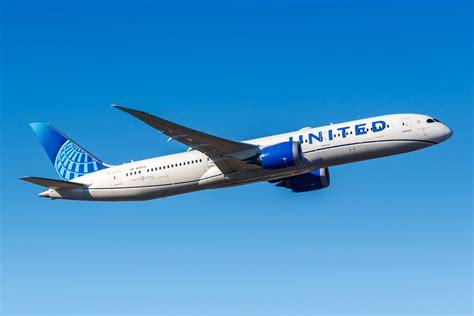
United Airlines is expanding the reach of its newest premium-heavy Boeing 787-9 Dreamliner this winter, assigning the aircraft to two additional routes during the busy holiday travel season. The carrier’s 222-seat “Elevated” configuration is scheduled to operate between San Francisco International Airport (SFO) and Houston George Bush Intercontinental Airport (IAH) from October 25 through December 15, before moving onto the long-haul San Francisco–Sydney route.
The schedule update, filed by United on September 24 and reported by AeroRoutes, highlights how the airline is using its newest widebody configuration beyond the international routes for which it was initially introduced. Rather than keeping the aircraft exclusively on long-haul services, United can position it between major hubs when fleet schedules and seasonal demand make that practical.
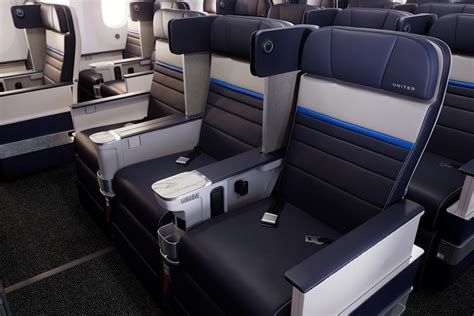
The aircraft is particularly notable because its 222-seat layout places far more capacity in premium cabins than United’s existing 787-9 configuration. The newer aircraft contains 64 Polaris seats and 35 Premium Plus seats, giving it 99 premium seats in total. By contrast, United’s original 257-seat 787-9 has 48 Polaris seats, 21 Premium Plus seats and 188 economy seats.
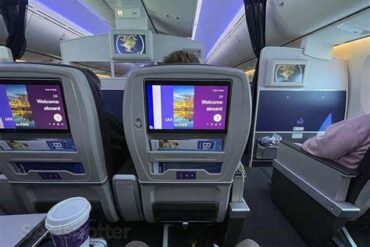
United Boeing 787-9 Elevated Interior Comes to Houston
The first temporary assignment links San Francisco and Houston, two of United’s most important hubs. The 222-seat 787-9 is scheduled to operate daily between October 25 and December 15, creating an unusual opportunity for passengers on a domestic route to experience a cabin designed around United’s international premium strategy.
The assignment also makes operational sense. Widebody aircraft frequently move through domestic sectors between international missions, and placing the Elevated 787-9 between two major hubs allows United to keep the aircraft productive while exposing more customers to its newest interior. The timing is also significant because the period includes the Thanksgiving and early holiday travel peaks, when premium demand can strengthen across the network.
The aircraft carries 35 Premium Plus seats, compared with only 21 on United’s original 787-9. Its Polaris cabin grows from 48 seats to 64, while economy capacity falls sharply from 188 seats to 123. This represents a fundamental change in how United allocates space inside the same basic Dreamliner airframe.
| United 787-9 Configuration | Polaris | Premium Plus | Economy | Total |
|---|---|---|---|---|
| Elevated Interior | 64 | 35 | 123 | 222 |
| Original Interior | 48 | 21 | 188 | 257 |
The difference is not simply a matter of adding a few premium seats. The Elevated aircraft has 35 fewer seats overall, but 30 of those seats are effectively removed from economy relative to the older configuration. United therefore has a substantially greater share of the aircraft dedicated to higher-value cabins.
San Francisco–Sydney Gets the Premium-Heavy Dreamliner
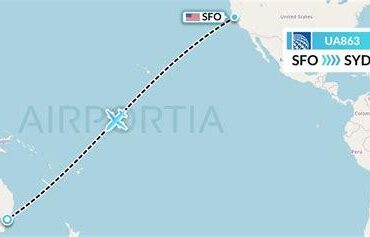
After its Houston assignment, the aircraft is scheduled to move onto one of United’s longest and most strategically important international markets. The San Francisco–Sydney service is scheduled to receive the 222-seat 787-9 beginning December 2, initially operating three times weekly.
From December 17 through February 10, 2027, the schedule calls for the aircraft to operate daily. That places the premium-heavy Dreamliner on the route during the core holiday period and much of the Southern Hemisphere summer, when long-haul travel demand can be particularly strong.
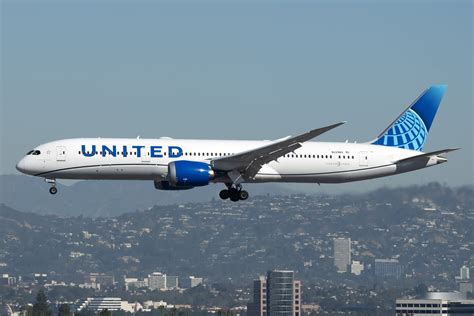
Sydney also provides a clearer demonstration of why United developed the Elevated interior. Long flights across the Pacific place greater value on sleeping space, privacy and premium service, particularly for travelers purchasing business-class and premium-economy products. United can therefore deploy a larger premium cabin on a route where customers have more incentive to pay for additional comfort.
The Sydney assignment follows the introduction of Elevated 787-9 international service elsewhere in United’s network. The airline previously introduced the configuration on flights from San Francisco to Singapore and London, establishing the new Dreamliner as an important part of its premium long-haul strategy.
What Makes United’s Elevated 787-9 Different
The most distinctive feature is the 64-seat Polaris cabin, which includes eight Polaris Studio suites positioned at the front of the two business-class sections. The remaining 56 seats are standard Polaris suites.
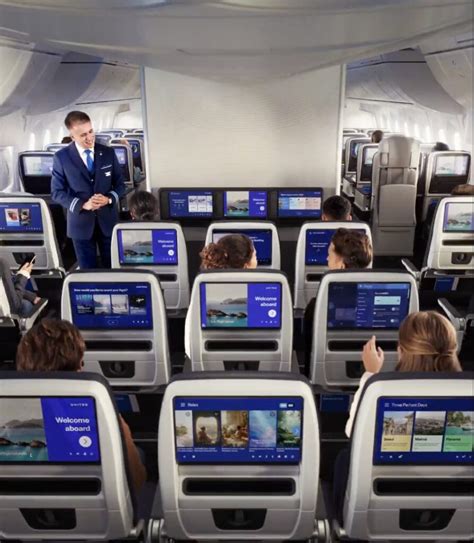
The Polaris Studio product is designed as a more spacious premium experience. United says the Studio seats are 25% larger than its standard Polaris seats and feature lie-flat beds, privacy doors, an ottoman and a 27-inch 4K OLED display. Six of the eight ottomans can also accommodate a companion using a seatbelt, adding another dimension to the space.
The 35 Premium Plus seats receive upgraded features of their own, including privacy dividers, wireless charging and 16-inch 4K OLED screens. Even economy passengers benefit from the newer interior, with 13-inch 4K OLED seatback displays and Bluetooth connectivity.
A Different Approach to Boeing 787-9 Capacity
United’s deployment of the aircraft on both Houston and Sydney illustrates the flexibility of a premium-heavy widebody. The airline does not need to reserve every Elevated 787-9 exclusively for international missions. Instead, it can shift the aircraft between routes as seasonal demand, fleet availability and premium-cabin requirements change.
United expects at least 30 Boeing 787-9s with the Elevated interior to be flying by the end of 2027. As that fleet grows, the carrier will have more opportunities to introduce the configuration on additional international markets while using temporary domestic assignments to maximize aircraft utilization.
For passengers, the Houston deployment offers an unusual domestic preview of United’s newest long-haul cabin. For travelers flying to Sydney, the aircraft represents something more consequential: substantially more access to Polaris and Premium Plus capacity on an ultra-long-haul Pacific route.
The two new assignments therefore show how United is using the Boeing 787-9 Elevated interior as more than a new cabin product. It is becoming a flexible fleet tool, allowing the airline to adjust premium capacity around the calendar while giving its newest Dreamliners a broader role across the network.