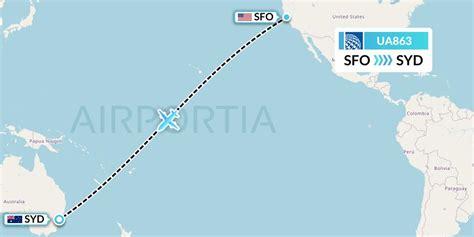
The flight from San Francisco (SFO) to Sydney (SYD) represents one of the classic long-haul journeys, bridging the vast Pacific Ocean to connect two vibrant, iconic cities. For many travelers, United Airlines is a prominent carrier on this demanding route, offering a direct link that saves considerable time and complexity compared to multi-stop itineraries. Embarking on such an extensive flight, typically lasting upwards of 14 to 15 hours, requires careful consideration of comfort, amenities, and overall passenger experience. This comprehensive guide delves into what you can expect when flying United from the Golden City to the Harbour City, drawing upon historical passenger insights and detailing the modern offerings that define this transpacific voyage.
United Airlines: Connecting San Francisco to Sydney – A Modern Perspective
United Airlines has a long and storied history of connecting the United States to Australia, with the San Francisco to Sydney corridor being a flagship route. Over the decades, the airline has adapted its services, aircraft, and in-flight products to meet the evolving demands of international travelers. While experiences from a decade ago, often shared on travel forums, paint a picture of older aircraft and varying service levels, the United of today has made significant strides, particularly in its premium cabin offerings and fleet modernization. Understanding this evolution is key to setting realistic expectations for your journey. The direct SFO-SYD flight remains a popular choice for both business and leisure travelers seeking an efficient way to traverse the Pacific, and United continues to be a major player in facilitating this connection.
The Evolution of Aircraft on the SFO-SYD Route: From Jumbo Jets to Dreamliners
Historically, passengers on the United SFO-SYD route would often find themselves aboard the iconic Boeing 747. These “Queen of the Skies” aircraft were workhorses for many airlines on ultra-long-haul routes. Forum discussions from the early 2010s frequently referenced the 747, with passengers noting its particular cabin configurations, such as the coveted upper deck for Business Class and the often-criticized 3-4-3 layout in Economy. While the 747 holds a nostalgic place in aviation history, its operational economics and passenger comfort features have been surpassed by newer generation aircraft.
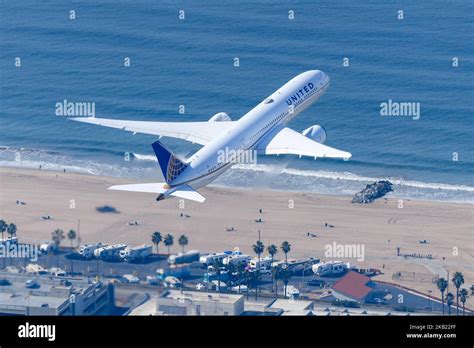
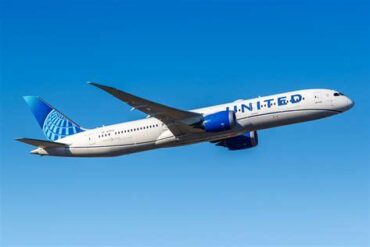
Today, United typically operates more modern, fuel-efficient wide-body aircraft like the Boeing 787 Dreamliner (often the 787-9 variant) or occasionally the Boeing 777 on its San Francisco to Sydney route. The Dreamliner, in particular, is engineered for long-haul comfort, featuring higher humidity levels, lower cabin altitude, and advanced air filtration systems, all designed to reduce passenger fatigue and jet lag – a significant benefit on a flight of this duration. These newer aircraft also boast improved aerodynamics for a smoother ride and are considerably quieter than their predecessors, contributing to a more restful environment. The shift from the 747 to aircraft like the 787 represents a substantial upgrade in the underlying technology and passenger-focused design for this transpacific journey.
Deciphering United’s Cabin Classes for the Transpacific Haul
Choosing the right cabin class is paramount for a comfortable experience on the lengthy flight from San Francisco to Sydney. United offers several distinct products, each catering to different priorities and budgets.
United Economy: What to Expect on the Long Journey
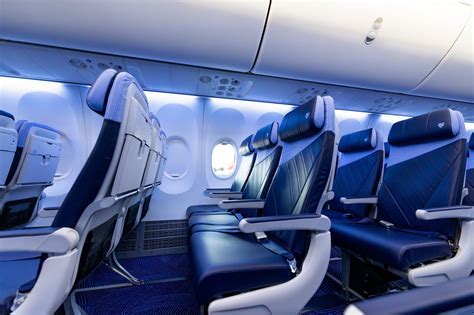
For many travelers, United Economy is the standard choice. In the past, particularly on the older Boeing 747s, passengers in Economy often faced challenges such as a lack of personal seatback entertainment screens, relying instead on overhead monitors. Seat comfort, especially seat width in the 3-4-3 configuration on the 747, was another common point of discussion, with some finding it cramped for such an extended flight. However, the experience in United Economy on modern aircraft like the Boeing 787 is generally improved. Passengers can typically expect personal seatback screens with a wide array of on-demand entertainment options, including movies, TV shows, music, and games. Standard seats in Economy on the 787 usually feature a pitch of around 31 inches and a width of approximately 17 inches, which is common for international economy class. USB power ports are generally available at each seat, and shared AC power outlets are often found between seats. While it remains a long journey in an economy seat, the amenities provided on contemporary aircraft make it a more manageable and engaging experience than it might have been a decade ago. Food and beverage service in Economy typically includes complimentary meals, snacks, and non-alcoholic beverages, with beer and wine often provided free of charge on international long-haul flights, a point noted positively by travelers even in past accounts.
United Economy Plus: Is the Upgrade Worth It for Sydney?
Consistently, one of the most recommended features by past and present United flyers on long-haul routes is Economy Plus (E+). This seating option offers several extra inches of legroom – typically up to 5 or 6 inches more than standard Economy – which can make a monumental difference in comfort on a 14+ hour flight to Sydney. Historically, travelers, especially those with elite status who received complimentary access or those willing to pay the ancillary fee, lauded E+ as a worthwhile investment. The seats themselves are the same width as standard Economy seats, but the additional space to stretch out significantly enhances the ability to rest and reduces the feeling of confinement. Economy Plus seats are located in the forward section of the Economy cabin. Beyond the extra legroom, benefits can sometimes include earlier deplaning due to the seat location. For the SFO-SYD route, where every bit of comfort counts, many find Economy Plus to be a valuable upgrade, striking a balance between the cost of premium cabins and the desire for enhanced personal space.
United Polaris Business Class: The Premium Transpacific Experience
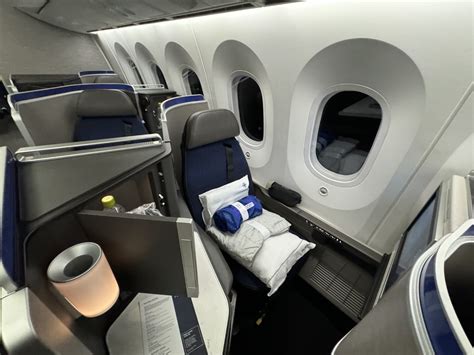
For those seeking the highest level of comfort and service, United Polaris Business Class is the airline’s flagship international premium product. This represents a significant evolution from the Business Class offerings on older aircraft like the 747, where experiences, though generally positive (especially on the quieter upper deck), varied. The modern Polaris product, typically found on the Boeing 787s and 777s flying to Sydney, is designed around a private, lie-flat seat, usually with direct aisle access for every passenger. This is a crucial feature, eliminating the need to climb over a seatmate. Polaris seats transform into fully flat beds, often around 6 feet 6 inches in length, complemented by premium bedding from Saks Fifth Avenue, including a duvet, day blanket, and multiple pillows. Passengers receive an amenity kit with high-quality skincare products and other travel essentials. The dining experience in Polaris is substantially elevated, featuring multi-course meals with upgraded ingredients, an extensive beverage selection including fine wines and spirits, and often an on-demand snack service. A key component of the Polaris experience begins on the ground, with access to exclusive United Polaris Lounges at hub airports like San Francisco. The SFO Polaris Lounge is particularly well-regarded, offering restaurant-quality pre-flight dining, shower suites, quiet work areas, and relaxation spaces, allowing passengers to refresh and dine before their long journey. This comprehensive premium offering makes Polaris a strong contender for business travelers and those celebrating a special occasion.
The In-Flight Journey: Comfort, Entertainment, and Service
Beyond the seat itself, several other factors contribute to the overall quality of the flight experience on the United SFO-SYD route.
Entertainment at Your Fingertips: United’s Modern IFE System
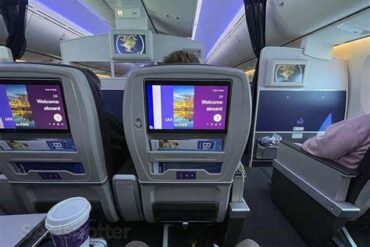
The days of shared overhead screens in Economy on United’s long-haul flights are largely a thing of the past. Modern aircraft deployed on the Sydney route are equipped with seatback personal on-demand entertainment (AVOD) systems for all passengers. These systems typically offer a vast library of content, including hundreds of movies (from new releases to classics), full seasons of popular TV shows, a wide variety of music albums and playlists, games, and a real-time moving map to track your flight’s progress. Screen sizes are generally good, and the systems are usually responsive. Furthermore, United has been expanding its Wi-Fi connectivity across its international fleet. While a fee is typically required for Wi-Fi access, it allows passengers to stay connected, browse the internet, or catch up on work. Passengers are also encouraged to use the United app on their personal devices for access to additional entertainment options. This is a stark contrast to historical accounts where passengers needed to bring their own laptops, books, or rent DVD players due to limited or non-existent personal IFE in Economy.
Dining Across the Pacific: United’s Onboard Culinary Offerings
Airline food is often a subject of debate, and experiences on United’s SFO-SYD route have historically been described as “patchy” by some travelers. However, on international long-haul flights, United typically provides complimentary multi-course meal services in all cabins. In Economy, this usually includes a main hot meal after departure, a mid-flight snack, and another meal service (often breakfast) before arrival in Sydney. Non-alcoholic beverages are complimentary, and as mentioned, beer and wine are often free of charge. While the quality may not rival restaurant dining, efforts are made to offer choices and cater to a broad palate. Bringing your own snacks is always a good tip for long flights if you have specific preferences. In Polaris Business Class, the dining is a more elaborate affair, with menus often designed by renowned chefs, served on proper serviceware, and with a greater emphasis on quality and presentation. Passengers can expect appetizers, a choice of main courses, cheese courses, and desserts, along with a more extensive selection of premium beverages.
United’s Cabin Crew: Professionalism and Experience on International Routes
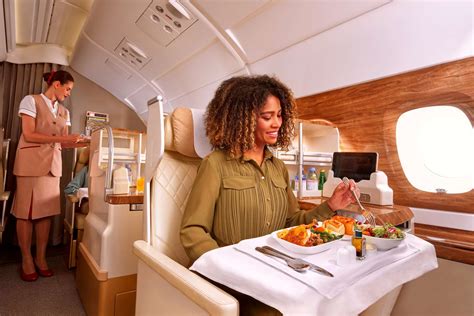
A consistent point of positive feedback, even in older forum discussions, has been the professionalism and experience of United’s flight attendants, particularly on international routes. Many travelers have noted that the crews are often seasoned, friendly, and efficient. While not always characterized by the youthful image seen on some other international carriers, the experience and calm demeanor of United crews are often appreciated, especially during long flights or when operational issues arise. They are generally adept at handling the demands of a full cabin on an ultra-long-haul service, managing meal services, responding to passenger requests, and ensuring safety protocols are followed. Good service can significantly enhance the perception of a flight, and United’s crews on the SFO-SYD route have frequently been commended for their dedication.
Navigating the Practicalities: From SFO Departure to Sydney Arrival
Several practical aspects can influence your journey on this route.
Departure Dynamics: The San Francisco International Airport (SFO) Factor
San Francisco International Airport (SFO) is a major international hub, but it’s also known for its susceptibility to fog, particularly during certain times of the year. This can lead to air traffic control delays that affect all airlines operating out of SFO. While United, like other carriers, has systems in place to manage these operational challenges, passengers should be aware that delays are a possibility. Historical accounts mention “operational issues out of SFO that all airlines run into,” and this remains a pertinent consideration. Building some buffer time into your travel plans, especially if you have onward connections from Sydney, is always a prudent strategy.
Addressing Turbulence Concerns on the SFO-SYD Sector
Some past passenger accounts have described the SFO-SYD flight as being “VERY turbulent.” However, this perception is often subjective and highly variable. While any long flight across an ocean can encounter periods of turbulence, it’s not accurate to state that the route is always exceptionally bumpy. Other experienced flyers on this route have countered this, noting that many flights are relatively smooth with only occasional bumps. Flight crews are highly trained to navigate weather systems and minimize turbulence where possible. Modern aircraft like the 787 also have features like gust suppression technology that can help smooth out the ride. It’s best to be prepared for some turbulence, as on any flight, but not to expect a perpetually rough journey. The instruction from the flight crew to remain seated and buckled up, especially when the seatbelt sign is on, is always the most important advice.
Historical Insights: Learning from Past Passenger Experiences
Looking back at traveler discussions from around a decade ago provides some interesting context. For instance, the Boeing 747, then common on the route, was a frequent topic. Some passengers found Economy on the 747 to be claustrophobic due to its 3-4-3 seat layout and 17-inch seat width, strongly advising against it unless in Economy Plus. There were mentions of flights being half-empty on occasion, leading to a much more comfortable experience with entire rows to oneself, though this was acknowledged as luck rather than the norm. Operational issues, such as a notable incident where a flight was delayed for hours due to a weight problem requiring 18 passengers to be offloaded, highlight the complexities of ultra-long-haul operations. While specific aircraft and some service elements have changed, these historical accounts underscore enduring passenger priorities: seat comfort (especially legroom), reliable in-flight entertainment, decent food, and efficient handling of operational disruptions.
United SFO-SYD: Weighing the Pros and Cons in Today’s Market
Choosing United for your flight from San Francisco to Sydney comes with a set of advantages and potential considerations. Pros include the convenience of a direct flight, the enhanced comfort and technology of modern aircraft like the Boeing 787 Dreamliner, the highly-regarded Polaris Business Class product for premium travelers, and the valuable Economy Plus option for those seeking more legroom in Economy. United’s extensive network and MileagePlus loyalty program are also significant benefits for frequent flyers.
Potential cons or considerations include the inherent challenges of any ultra-long-haul flight, the possibility of operational delays at SFO common to all airlines, and the fact that Economy class, while improved, remains a long time to spend in a standard seat. The cost can also be a factor, as direct transpacific flights are often in high demand. When comparing with other carriers on the route, such as Qantas, passengers will weigh factors like price, specific aircraft type on the day, loyalty program affiliations, and recent service reviews. Historically, Qantas, particularly its A380 service, was often cited as a superior experience by some, though United has significantly closed any gap with its modernized fleet and Polaris product.
Maximizing Your United Journey from San Francisco to Sydney
To make the most of your United flight to Sydney, a little preparation goes a long way. When booking, consider the time of year and potential fare fluctuations. If comfort is a high priority and your budget allows, investing in Economy Plus is widely recommended for the extra legroom. For a truly premium experience, Polaris Business Class offers a significant upgrade in comfort and service. Joining United’s MileagePlus program can earn you miles and potential future benefits.
Preparing for the flight itself involves several steps. Stay hydrated by drinking plenty of water before and during the flight. Dress in comfortable, loose-fitting layers, as cabin temperatures can vary. While United provides extensive in-flight entertainment, consider bringing your own headphones for better sound quality, and perhaps download some of your favorite movies, music, or books onto a personal device as a backup. A neck pillow, eye mask, and earplugs can also greatly enhance your ability to rest. Try to move around the cabin periodically (when safe to do so) to promote circulation on such a long flight. Arrive at SFO with ample time, especially given its potential for queues and delays, and if eligible, take advantage of the United Club or Polaris Lounge to relax before boarding.
In conclusion, the United flight from San Francisco to Sydney is a significant undertaking, but with modern aircraft, improved cabin products like Polaris and Economy Plus, and comprehensive in-flight amenities, United offers a competitive and viable option for this transpacific crossing. By understanding the different cabin classes, preparing adequately for the long duration, and setting realistic expectations, travelers can look forward to a journey that efficiently connects them to the wonders of Australia.