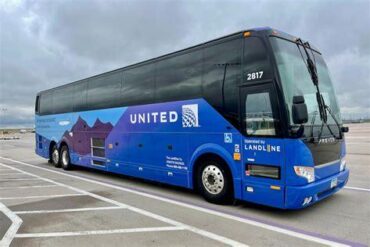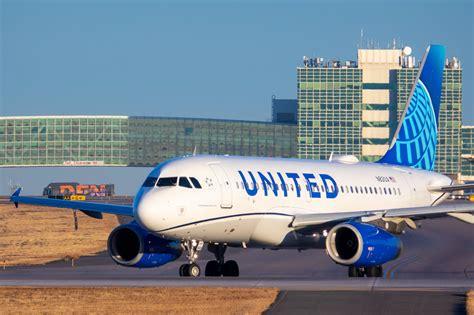
United Airlines has delivered a blow to regional connectivity in the United States by abruptly canceling two of its pivotal Landline bus routes: Denver to Fort Collins, Colorado, and Newark to Allentown, Pennsylvania. These routes, long regarded as essential ground links into United’s broader flight network, will be terminated by September 1, 2025, signaling a dramatic pivot in the airline’s approach to serving secondary markets.
Strategic Cuts Signal a Shift in Regional Transportation Philosophy
The decision marks the third time United Airlines has suspended the Fort Collins–Denver route, but this cancellation is different: it’s final. The Fort Collins service will cease on July 31, 2025, while the Newark-Allentown line will close just a month later. The airline states that this move is part of a larger restructuring effort to streamline operations, eliminate underperforming routes, and respond more dynamically to changing market demands. However, for the thousands of travelers depending on these ground transfers, the decision lands as a direct hit to convenience, accessibility, and reliability.
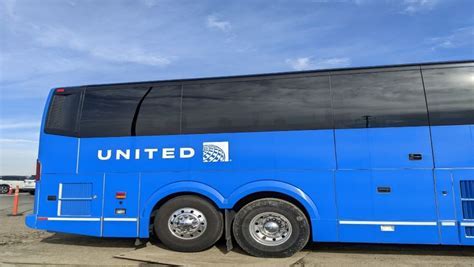
For years, the Landline services functioned as an invisible yet critical artery in United’s vast hub-and-spoke system. These buses allowed passengers to check their luggage from a local terminal, ride seamlessly to a major airport, and transfer directly to flights—without rechecking bags or navigating traditional airport chaos. With the abrupt discontinuation, United removes what many regarded as one of the more innovative logistical solutions in modern U.S. air travel.
Fort Collins Cut-Off: Denver Access Becomes a Headache
Northern Colorado is one of the fastest-growing regions in the U.S., with Fort Collins playing a major role in the state’s economy, education, and tourism sectors. The Landline route linking the city to Denver International Airport (DEN) had become a crucial link for residents needing access to United’s domestic and international services.
Its removal now forces passengers to rely on private vehicles, ride-hailing services, or patchwork regional transit, which can dramatically increase travel times and introduce new layers of inconvenience. For business travelers and frequent fliers, this added friction threatens to undermine one of the region’s most strategic travel gateways.
Allentown Disconnected: A Regional Powerhouse Left Behind
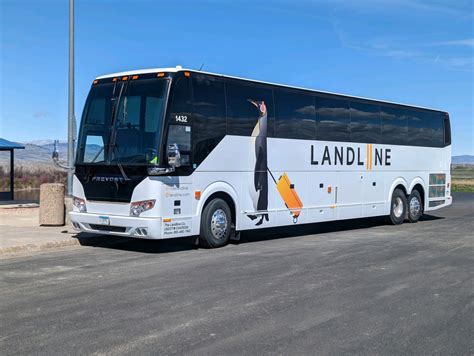
Eastern Pennsylvania, particularly the Lehigh Valley and Allentown, is an economic engine home to healthcare, manufacturing, and logistics industries. The Landline service to Newark Liberty International Airport (EWR) was not just a bus ride—it was a gateway to global mobility.
By September 1, this connection will vanish, leaving travelers with limited alternatives. The most immediate option—driving to Newark—means navigating congested corridors or relying on smaller regional airports with reduced flight offerings. For many, it’s not just inconvenient; it’s a downgrade from seamless travel to a fragmented and inefficient experience.
United’s Broader Strategy: Efficiency Over Geography
The cancellation of these services is no isolated incident. In May 2025, United also eliminated 35 daily roundtrip flights from its Newark hub, a clear indicator of shifting priorities. These moves point toward a business strategy that leans heavily into operational efficiency, demand forecasting, and cost containment—particularly in a post-pandemic landscape marked by labor shortages, rising fuel costs, and volatile passenger volumes.
United’s decision to sever the Landline routes implies that while the service was conceptually sound, it no longer aligns with the airline’s financial or strategic roadmap. High-frequency, high-revenue corridors are now taking precedence over experimental or lower-demand services, even if those services garnered positive public reception.
Innovation Meets Harsh Reality: The Rise and Fall of Landline Integration
The Landline partnership was once viewed as a model of airline innovation. Passengers could experience the perks of air travel from the moment they stepped onto a bus: baggage was checked through, boarding passes were issued at departure, and transfers to major airports were stress-free. It gave rural and suburban passengers the kind of connectivity that’s usually reserved for major metro areas.
But scalability and profitability appear to have failed the concept. Whether due to inconsistent ridership numbers, thin margins, or logistical difficulties, United’s termination of these services underscores the challenge of blending air and ground transportation within a single integrated system.
Customer Impact: Lost Convenience, Rising Frustration
For loyal passengers, especially those in Fort Collins and Allentown, the decision is not just inconvenient—it’s a breach of a trust cultivated over several years. The Landline buses weren’t mere shuttles; they were a dependable component of a larger travel ecosystem.
Customers have expressed disappointment, citing how the service reduced stress, cut costs, and simplified complex travel itineraries. Without it, many now face longer drives, additional expenses, and higher travel uncertainty. For elderly passengers, students, and those without reliable transportation, the cancellation creates a logistical void that no current substitute adequately fills.
United’s Contingency Plans: Refunds and Rebooking Options
In a move to mitigate fallout, United Airlines has pledged to contact all affected passengers and offer re-accommodation options within a 300-mile radius of the original bus route. However, this solution may offer little comfort to travelers dependent on the directness and simplicity of the Landline system.
Refund eligibility will vary depending on the ticket class and whether alternate connections meet the customer’s needs. For some, this might mean partial refunds. For others, it may lead to complete itinerary overhauls involving multiple transfers and extended layovers.
National Implications: Is Regional Air Travel Reaching a Breaking Point?
United’s latest move is emblematic of a broader national trend. Across the U.S., airlines are scaling back regional connectivity in favor of core markets and high-yield routes. Major carriers are increasingly reluctant to sustain less profitable services that cater to smaller, lower-traffic destinations—regardless of public demand.
This trend poses a fundamental question: Is air travel becoming less accessible for suburban and rural Americans? As airlines double down on efficiency and profitability, communities like Fort Collins and Allentown risk being left behind. The consequence is more than just inconvenience; it’s a structural imbalance that could redefine who gets to fly and how.
What’s Next for Regional Travelers?
In the absence of Landline, travelers in these regions will likely turn to:
- Regional commuter airports with limited service options
- Rideshare aggregators with costly fares and longer travel times
- Personal vehicles with accompanying parking costs and traffic unpredictability
There’s also the possibility that local governments or private operators could step in to offer replacement shuttle services, but these would lack the integrated ticketing and baggage benefits that made Landline so valuable. For now, no clear replacement is on the horizon, and passengers are left navigating a more fragmented and frustrating travel landscape.
A Critical Test of Customer Loyalty
United’s abrupt discontinuation of these routes may cost them more than just logistics—it could erode customer loyalty in underserved regions. Trust is hard-won and easily lost. If passengers feel sidelined in favor of big-city profits, they may start exploring other carriers who maintain a stronger regional commitment or offer creative partnerships with rail or coach services.
Final Thoughts: Efficiency Shouldn’t Come at the Expense of Accessibility
United Airlines has made a calculated, perhaps necessary, decision in canceling the Fort Collins–Denver and Allentown–Newark Landline services. But as the industry pushes further toward profit-centric operations, it must grapple with the real-world consequences of alienating customers in smaller markets.
If U.S. aviation is to maintain its national footprint and meet rising demand for sustainable, accessible travel options, airlines must rethink what it means to serve regional America. United’s move is not just a cut—it’s a test case for the future of connected, equitable air travel in a post-pandemic era.