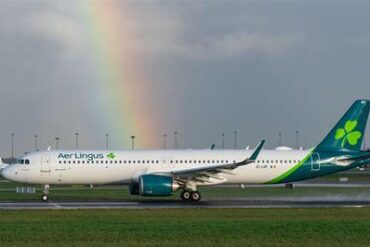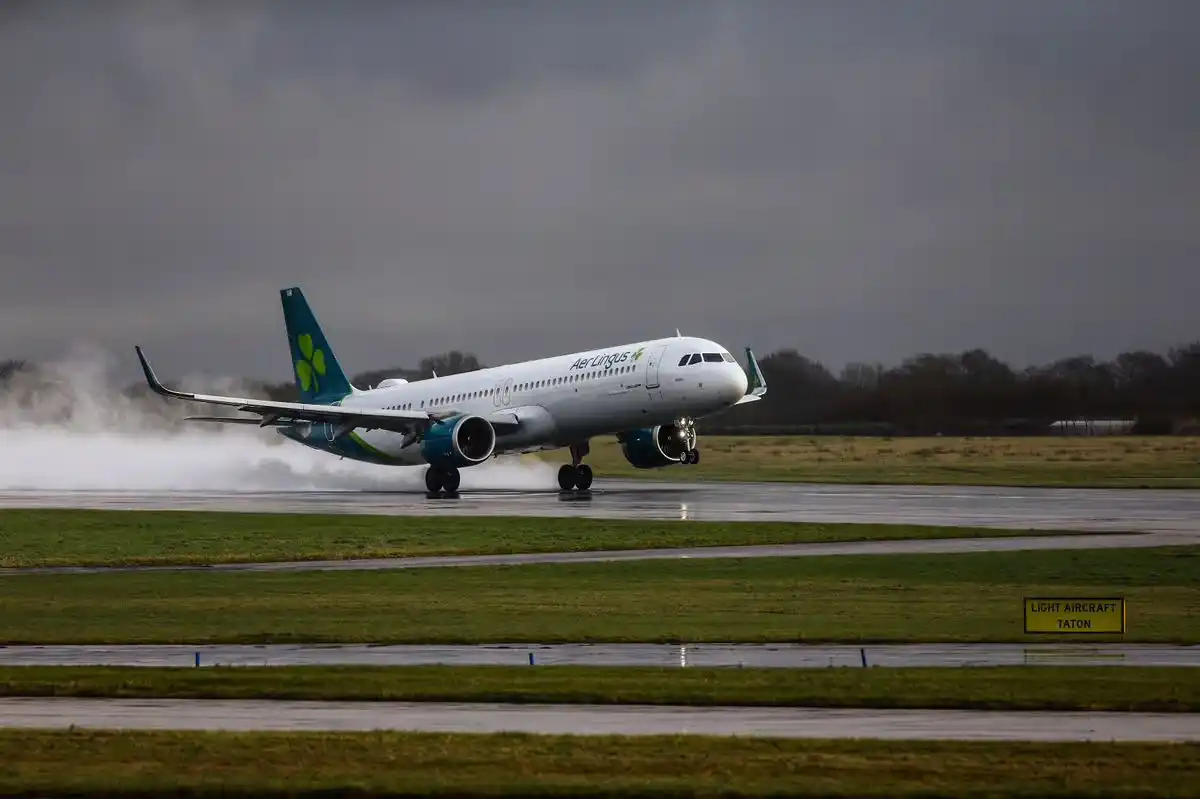
The sudden decision by Aer Lingus to cancel all transatlantic routes from Manchester Airport has landed like a cold splash of jet fuel for travelers across northern England. What began as a hopeful revival of long-haul connectivity outside London is now drawing to a quiet but consequential close, leaving passengers reassessing travel plans just as demand for US-bound flights accelerates.
The Irish flag carrier has confirmed that its UK-based long-haul operation at Manchester will be wound down completely by the end of March. Routes to New York JFK, Orlando, and Barbados—once positioned as convenient, nonstop alternatives to congested London airports—are being permanently withdrawn. For many passengers, especially families and leisure travelers, these services were more than just flights; they were time-saving gateways to the Americas.
The retreat did not come without warning. Earlier in January, bookings on all three US and Caribbean routes were quietly paused, triggering speculation that the Manchester experiment was nearing its end. That speculation has now hardened into certainty, and the timelines are firm. New York JFK will be the first casualty, with its final departure scheduled for February 23. Orlando follows on March 23, while Barbados will see its last Aer Lingus flight from Manchester on March 27.
For passengers in the northwest of England, the loss cuts deep. Since the collapse of Thomas Cook in 2019, long-haul choice from Manchester has been limited, with Virgin Atlantic standing as the primary nonstop transatlantic operator. Aer Lingus UK’s arrival in 2021 was therefore seen as a turning point—a sign that regional airports could reclaim a slice of the long-haul market without funneling travelers through Heathrow or Gatwick.
That optimism was grounded in sound logic. Manchester boasts a large catchment area, strong leisure demand, and a growing premium market. Aer Lingus deployed efficient Airbus A321LR aircraft, tailored for thinner long-haul routes, and targeted high-volume destinations with proven demand. On paper, the strategy made sense. In practice, the economics proved stubborn.
Industry analysts had been flagging trouble toward the end of 2025, as load factors and yields reportedly failed to meet expectations. Operating a standalone long-haul base away from the airline’s core hubs in Dublin and Belfast introduced structural inefficiencies, from crew logistics to maintenance and fleet utilization. In a fiercely competitive transatlantic market, marginal underperformance can quickly become unsustainable.
The timing of the withdrawal adds salt to the wound. With the FIFA World Cup set to take place in the United States, demand for transatlantic travel is expected to surge. Manchester-based fans now face longer journeys, additional connections, and higher fares—an unwelcome trade-off after enjoying the simplicity of nonstop flights.
Aer Lingus has acknowledged the disruption and confirmed that all affected customers are being contacted directly. Reaccommodation and refund options are being offered, and the airline is exploring ways to soften the blow. One such option is a proposed Dublin–Barbados route, which could allow Manchester passengers to connect via Ireland rather than traveling south to London. While functional, this workaround lacks the elegance—and convenience—of a true nonstop service.
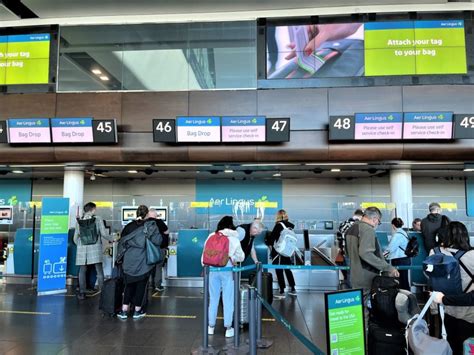
Despite the long-haul exit, Aer Lingus is not abandoning Manchester altogether. Short-haul and regional services will continue unchanged, preserving vital links to Dublin and Belfast. According to Cirium data, the airline currently operates four daily flights to Dublin, with regional partner Emerald Airlines adding further frequency to both Irish destinations. These routes remain commercially solid and strategically important, feeding Aer Lingus’ wider network.
From a broader industry perspective, the move underscores the harsh realities of post-pandemic aviation. Demand has returned, but costs have risen faster. Aircraft availability is tight, operational resilience is prized, and airlines are increasingly concentrating capacity where margins are strongest. For Aer Lingus, that center of gravity is Dublin, not Manchester.
The closure also raises uncomfortable questions about the future of long-haul connectivity from regional UK airports. While demand exists, sustaining profitable operations without the scale and connectivity of a major hub remains a formidable challenge. Manchester has the infrastructure and the market, but airlines now require near-perfect conditions to justify long-haul risk.
For travelers, the message is clear and unsentimental. Flexibility matters, hubs still dominate, and regional long-haul services—however welcome—can be fragile. The end of Aer Lingus’ Manchester transatlantic flights is not just a route cancellation; it is a reminder that aviation optimism must always negotiate with economic gravity.