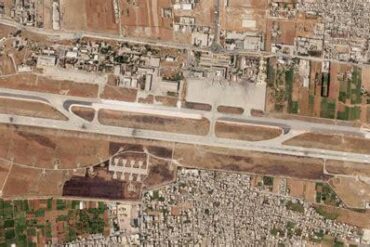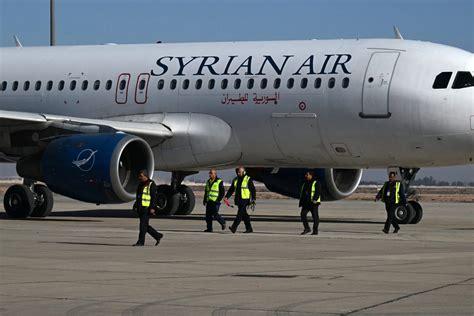
In a dramatic turn of events, Syrian Airlines has rerouted all flights to Aleppo International Airport, leaving travelers scrambling just hours before their scheduled departures. This sudden operational shift comes as disruptions at Damascus Airport have intensified, prompting the airline to implement an emergency bus transfer system designed to shuttle passengers between Damascus and Aleppo. With this bold move, Syrian Airlines is not only responding to immediate logistical challenges but also reshaping the landscape of air travel in Syria.
The rerouting of flights marks a significant moment for Syrian Airlines, which has grounded all departures from Damascus for the first time in months. Passengers who were initially set to fly out of Damascus are now required to embark on a four-hour ground journey to reach Aleppo International Airport. This change signals a crucial adaptation by the airline amid ongoing operational strains, raising questions about the future of air travel routes in a region already grappling with instability.
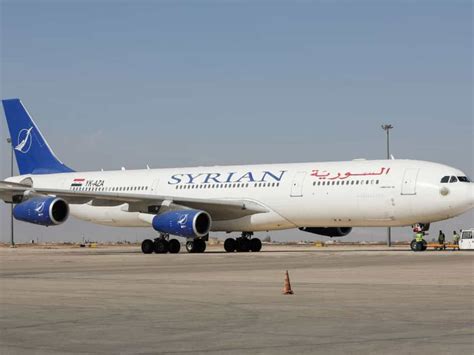
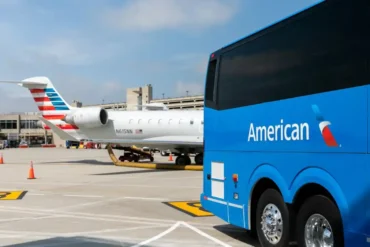
As of Saturday, all scheduled flights for Sunday will now depart from Aleppo International Airport instead of Damascus. The airline has arranged private buses to transport passengers directly from the Al-Adawi area of Damascus to Aleppo Airport, where they can board their flights to various international destinations. On their return journeys, passengers will also utilize these buses, effectively bypassing Damascus Airport entirely. While this quick response underscores Syrian Airlines’ adaptability, it also highlights the complex operational challenges that both travelers and airline staff must navigate during this transition.
The immediate impact of this rerouting is profound. For travelers aiming to catch their flights on Sunday morning, early departures from Damascus are now essential. Families, business travelers, and transit passengers alike are feeling the pressure as they adjust their plans to accommodate this unexpected change. Furthermore, the capacity of the private bus service is being put to the test, with Syrian Airlines racing against the clock to ensure that sufficient vehicles, staff, and security measures are in place for the round-trip operation.
While Syrian Airlines has not provided specific details about the reasons behind the disruption at Damascus International Airport, experts speculate that several factors could be at play. Possible causes include structural repairs, air traffic restrictions, or security concerns. Regardless of the underlying issues, the airline’s swift decision to reroute flights demonstrates a commitment to maintaining service reliability in the face of operational difficulties. This situation raises critical questions regarding the resilience of air infrastructure in Syria and its ability to adapt to sudden changes.
For the affected flyers, the experience of navigating this new travel arrangement is mixed. Some passengers express anxiety over the uncertainty surrounding bus schedules and the added travel time, while others appreciate that the airline has opted against outright cancellations. This rerouting serves as a test of traveler patience and trust, particularly in a country where the economy has already been strained by years of conflict and limited resources. Every extra mile on this journey becomes significant, emphasizing the need for clear communication from the airline regarding the logistics involved.
The ripple effects of this unexpected shift extend beyond individual travelers. Aleppo International Airport is now poised to experience a sudden surge in traffic over the weekend, which will place increased demands on ground staff, security checks, immigration controls, and hospitality services. Local businesses, including hotels, restaurants, and transport providers in Aleppo, could benefit from this influx of travelers, provided that they can adequately meet the demand. Conversely, areas around Al-Adawi in Damascus are likely to see heightened bus traffic and road congestion as commuters navigate their way to Aleppo Airport.
Additionally, the reroute poses challenges for transit and connection partners, such as baggage handlers and cargo services, who must quickly adapt to the new operational framework. This mid-week disruption reflects a broader trend of airlines adjusting to the evolving operational landscape within Syria. Syrian Airlines has showcased impressive nimbleness in this regard, yet the incident underscores the urgent need for coordinated contingency planning across airports and government agencies.
Looking ahead, travelers should be mindful of the implications of this rerouting for their upcoming journeys. Here are key considerations:
- Expect extended transit times between Damascus and Aleppo, necessitating earlier departures.
- Stay updated with announcements from Syrian Airlines and relevant airport authorities.
- Allow for additional buffer time to account for potential traffic delays and border control lines.
- Prepare for tight connections, especially if traveling for business or tourism.
- Review travel plans to ensure that transit times do not affect visas, tours, or meetings.
For business and tourism stakeholders, the disruption may lead to shifts in regional calendars and plans, particularly for those relying on connections through Damascus. As the situation develops, it becomes clear that Syrian Airlines’ sudden reroute is more than just a logistical challenge; it’s a reflection of the broader volatility inherent in air travel within a region facing significant infrastructure hurdles. The airline’s ability to adapt under pressure has highlighted the necessity for ongoing investment in airport facilities and strategic planning to ensure that air travel remains resilient.
In conclusion, this weekend marks a pivotal moment for Syrian Airlines and its passengers. The airline’s swift decision to implement a reroute and emergency bus transfer system is a testament to its commitment to service continuity, even amidst uncertainty. However, it also reveals the complexities of navigating air travel in a region marked by ongoing challenges. For travelers, this situation serves as a reminder of the importance of preparedness and adaptability in an ever-changing travel landscape. As Syrian Airlines continues to operate under these conditions, one thing remains clear: the journey for Syrian travelers has evolved once again, driven by the need for immediate solutions in the face of disruption.