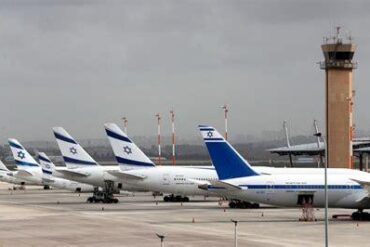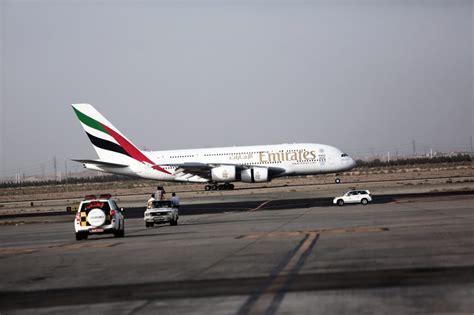
Amid rapidly intensifying tensions following U.S. military strikes on Iranian nuclear facilities, global airlines are urgently rerouting flights to avoid volatile Middle Eastern airspace. The conflict has rendered skies over Iran, Iraq, Syria, and Israel increasingly unsafe, prompting major carriers to abandon traditional flight corridors between Europe and Asia. This widespread disruption is impacting international travel on a massive scale—from the United States to New Zealand—as safety concerns, missile threats, and rising operational costs force airlines to take longer, costlier detours through alternative airspaces such as Egypt, Saudi Arabia, and the Caspian Sea.
Airlines Divert Routes as Middle East Tensions Escalate
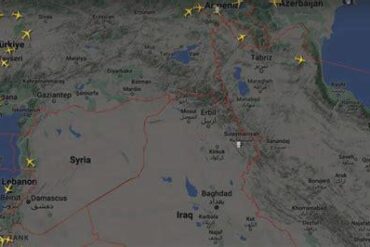
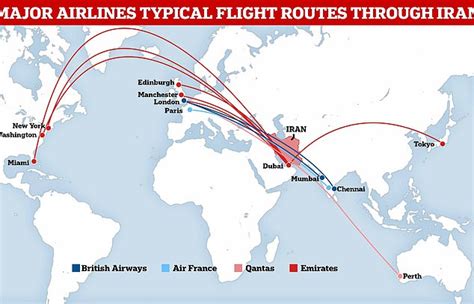
Following targeted U.S. attacks on strategic Iranian nuclear sites, commercial airlines are steering clear of major parts of the Middle East due to the increased threat of aerial confrontation. Flight tracking platforms such as FlightRadar24 have shown widespread detours over Iranian, Iraqi, Syrian, and Israeli airspace—routes that were once key transit corridors for long-haul flights between Europe and Asia. In particular, airlines have opted to avoid Iranian skies entirely, resulting in longer flight durations and increased fuel consumption. Several airlines have chosen to reroute their flights through the Caspian Sea region or utilize more secure airways passing over Egypt and Saudi Arabia. While these reroutes maintain flight safety, they also introduce logistical hurdles and raise operational expenses.
Rising Costs and Delayed Services
The rerouting of air traffic has led to measurable cost increases for airlines already grappling with fluctuating fuel prices and post-pandemic recovery challenges. Longer flight paths translate into higher fuel consumption, increased crew hours, and additional logistical coordination. For passengers, this means extended travel times, last-minute cancellations, and increased ticket prices as airlines attempt to mitigate losses.
Flight suspensions have also become a necessary measure for some carriers. Major international airlines including those based in Europe, Asia, and the Gulf region have temporarily halted services to and from affected cities across the Middle East. This wave of disruption is reminiscent of air travel constraints experienced during earlier regional conflicts, highlighting the fragile intersection of geopolitics and global aviation.
Civilian Safety Measures and Government Evacuations
Governments around the world are closely monitoring the rapidly evolving situation. With the closure of Israeli airspace and missile alerts sounding across multiple borders, thousands of tourists and business travelers remain stranded in the region. In response, countries have begun mobilizing emergency repatriation efforts to extract their nationals. Japan and New Zealand are among the first to announce formal evacuation strategies, utilizing chartered aircraft and military coordination to ensure the swift and safe return of their citizens. These plans underscore the seriousness of the current conflict and the urgent need to secure vulnerable populations from volatile zones.
Safe Airspace, an international aviation risk monitoring organization, has issued advisories to U.S. airline operators, warning of heightened military activity and advising carriers to remain vigilant or avoid the region altogether. The organization highlighted the unpredictability of missile trajectories in conflict zones, reinforcing that even civilian aircraft could inadvertently be at risk if flying over hostile territories.
Broader Impact on Global Travel and Trade
The Middle East has long served as a vital aviation hub for connecting Europe, Asia, and Africa. Major carriers such as Emirates, Qatar Airways, and Turkish Airlines routinely use this corridor for some of the world’s most heavily trafficked international routes. The current avoidance of this critical airspace places an immense burden on the aviation infrastructure of neighboring countries while also disrupting trade cargo routes and passenger transit systems. For global travelers, the ripple effects are already being felt in the form of delayed itineraries, reduced connectivity, and increased uncertainty about regional safety. Airlines are urging travelers to check flight statuses regularly and remain informed about ongoing developments. Meanwhile, travel insurance companies are facing surging inquiries about coverage for conflict-related disruptions.
Uncertainty Clouds the Skies
As diplomatic channels scramble to contain the fallout from recent military actions, the skies above the Middle East remain tense and unpredictable. The aviation industry, highly sensitive to geopolitical instability, is once again demonstrating its vulnerability in times of global crisis. For the time being, caution takes precedence over convenience, as safety becomes the paramount concern for airlines, governments, and passengers alike. With the situation still unfolding, industry analysts warn that any further escalation could trigger broader airspace closures, extending the disruption well beyond the region. As a result, airlines and travelers around the world must stay alert and adapt quickly to shifting conditions in the weeks ahead.