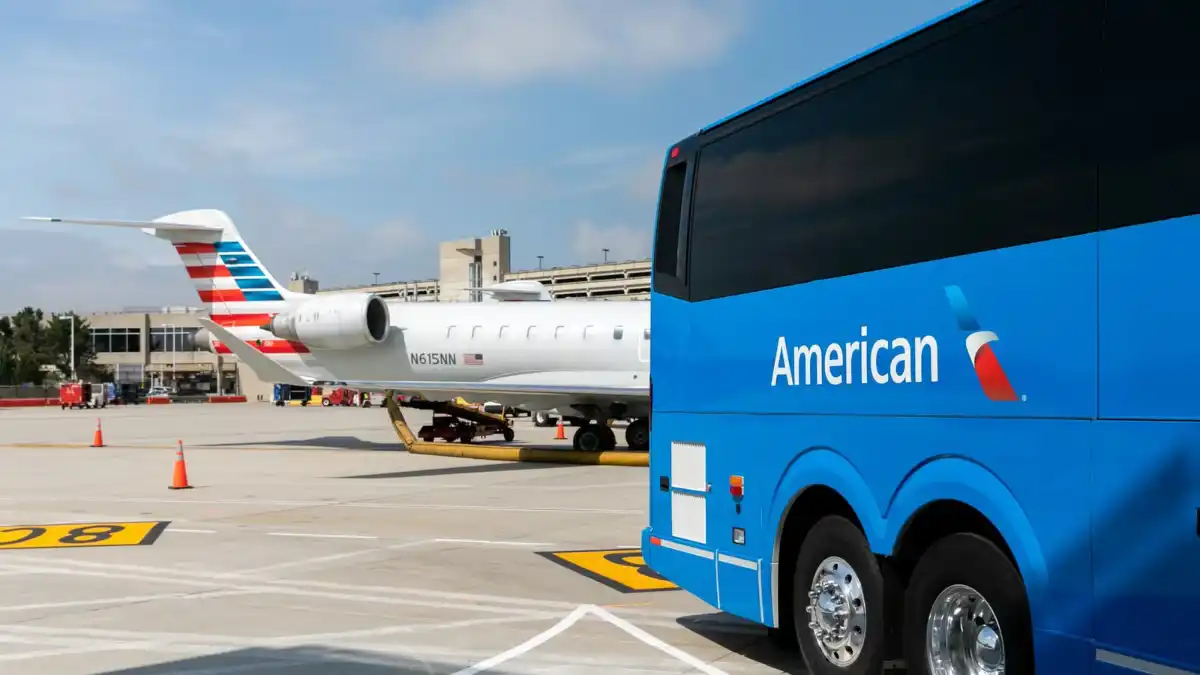
The modern airline industry thrives on efficiency, connectivity, and seamless passenger flow, yet few innovations have sparked as much confusion as the rise of premium-priced “bus flights.” In an era where airfare pricing already feels opaque, American Airlines has introduced a multimodal travel concept that blurs the line between aviation and ground transport—sometimes with a shocking price tag nearing $1,000 for what is essentially a bus ride.
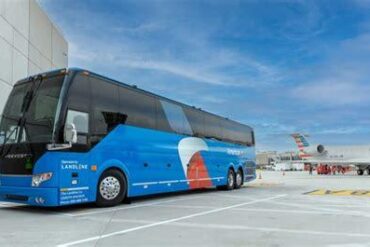
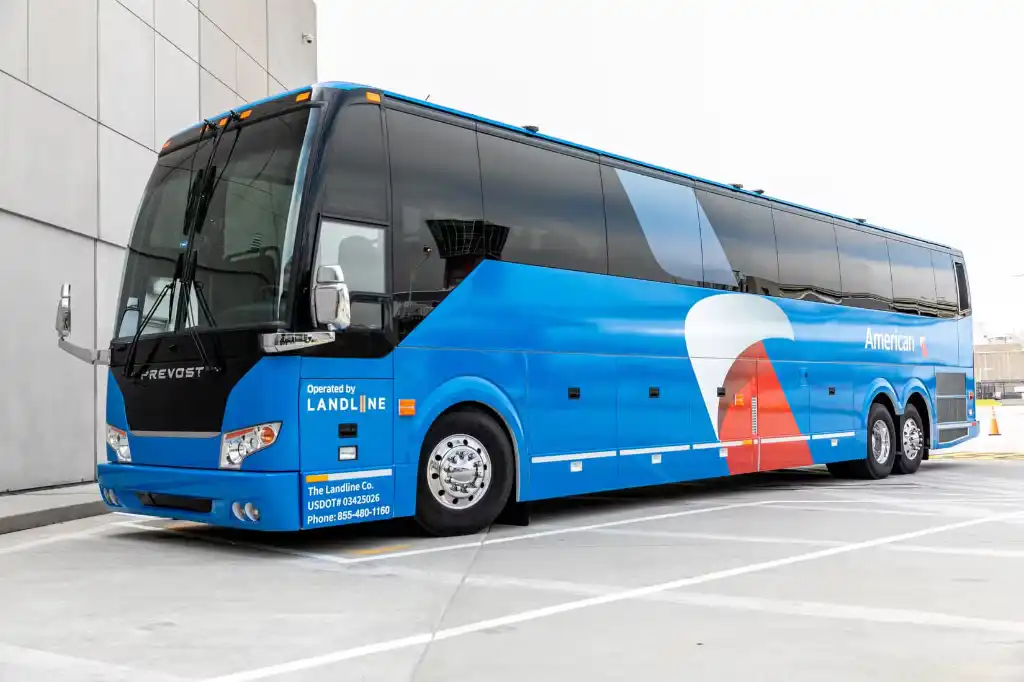
At the center of this controversy is a partnership with Landline, a company specializing in integrated air-to-ground connections. These services are designed to link smaller regional airports to major hubs, allowing passengers to complete security screening locally before boarding a coach that delivers them directly to an airport gate. From a systems perspective, the idea is elegant. From a passenger’s perspective, however, the execution has proven far more complicated.
The core issue isn’t the existence of the service—it’s how it’s priced, presented, and sometimes misunderstood. Travelers expecting a short regional flight have occasionally found themselves boarding a luxury coach instead, raising questions about transparency, pricing strategy, and the evolving definition of what constitutes a “flight.”
The Logic Behind $1,000 Bus Tickets
To understand the pricing, it’s essential to recognize that these bus segments are not intended to be purchased independently. According to American Airlines, the unusually high standalone fare is deliberately inflated. The goal is simple: discourage travelers from booking the coach as a separate journey while ensuring it remains available as part of a broader connecting itinerary.
When bundled into a multi-leg trip, the cost of the bus ride is effectively absorbed into the total fare, making it far less noticeable. This allows the airline to maintain network reach without deploying additional aircraft, particularly in regions where operating short-haul flights would be economically inefficient.
The strategy mirrors broader airline trends toward cost optimization and route consolidation. Instead of flying half-empty regional jets, airlines can transport passengers by road over short distances—especially when those distances fall within a manageable range.
Seamless Travel—Or Seamless Confusion?
From a design standpoint, these bus connections are meant to feel indistinguishable from traditional flights. Booking systems display them alongside aircraft segments, complete with flight numbers and boarding times. Even the travel experience is engineered to mimic aviation norms: passengers check in, pass through security, and proceed to what appears to be a standard departure gate.
However, this intentional integration has created unintended consequences. While American Airlines’ official booking platform includes clear notifications indicating a bus segment, third-party travel websites have not always maintained the same level of clarity. The result is a growing number of passengers who only realize the nature of their journey at the airport itself.
The psychological gap between expectation and reality is significant. Travelers conditioned to associate boarding gates with aircraft can find the experience jarring, even if the service itself operates smoothly.
Inside the Landline Experience
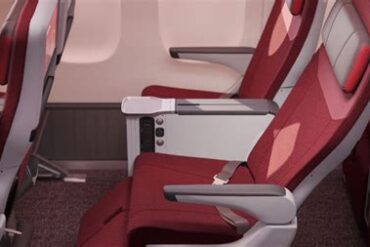
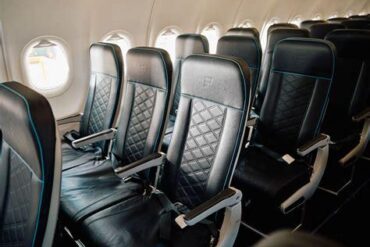
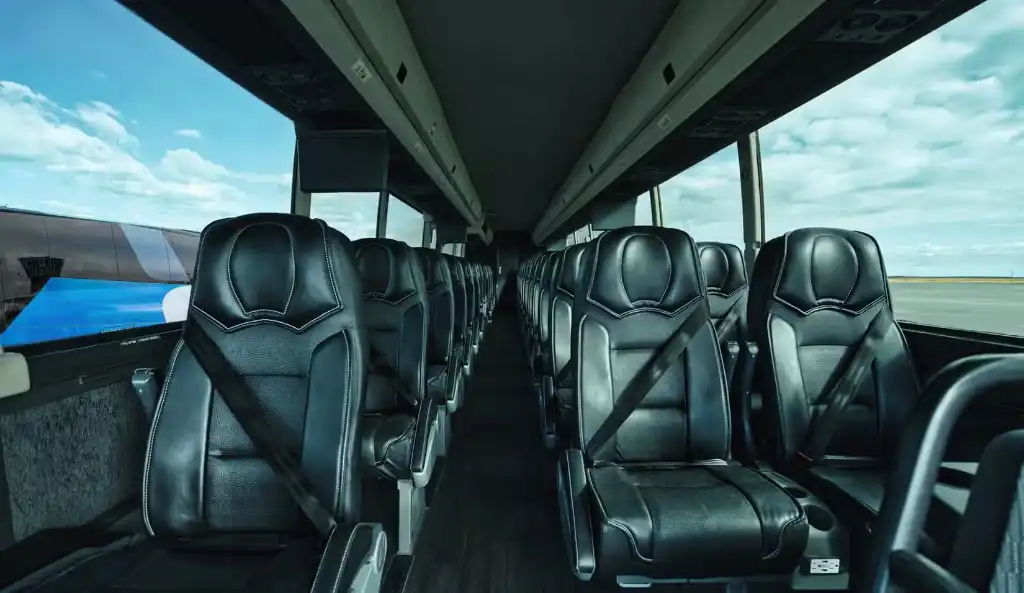
Despite the controversy, the onboard experience offered by Landline coaches is far from basic. These are not standard intercity buses but premium-configured vehicles designed to align with airline expectations. Spacious seating, onboard amenities, and a quiet cabin environment aim to replicate aspects of a short-haul flight—minus the altitude.
One of the most distinctive operational features is tarmac boarding. After clearing security at a smaller airport, passengers are escorted directly to the coach, which then departs for a major hub such as Philadelphia International Airport. Upon arrival, travelers are dropped within the secure zone, often just steps away from their connecting flight.
This approach eliminates the need for re-screening at busy hubs, saving time and reducing congestion. For frequent travelers, especially those in underserved regions, the system can offer a surprisingly efficient alternative to driving long distances to major airports.
The 100-Mile Strategy and Network Expansion
American Airlines has quietly scaled this concept using what can be described as a “100-mile rule.” Most participating regional airports are located within roughly 100 miles of a major hub, a distance that strikes a balance between operational efficiency and passenger convenience.
Since its rollout, the service has transported over 200,000 passengers, with daily seat capacity reaching into the thousands across the northeastern United States. By expanding connections around hubs like Philadelphia, the airline effectively extends its network footprint without adding aircraft or crew.
This model also aligns with broader industry pressures, including pilot shortages, rising fuel costs, and the retirement of smaller regional jets. Ground transport, in this context, becomes not just a workaround but a strategic asset.
When Innovation Meets Perception Risk
Despite its operational advantages, the program highlights a critical tension in modern aviation: innovation versus passenger perception. While airlines focus on efficiency and integration, travelers prioritize clarity and trust. When those priorities diverge, even well-designed systems can generate backlash.
Viral stories of passengers unexpectedly boarding buses instead of planes underscore the importance of clear communication across all booking channels. In an ecosystem where third-party platforms play a major role in ticket sales, maintaining consistency is both challenging and essential.
At its best, the Landline concept represents a forward-thinking evolution of airline logistics, blending air and ground travel into a unified experience. At its worst, it risks being perceived as a cost-cutting measure disguised as convenience.
A Glimpse Into the Future of Air Travel
The emergence of high-priced “bus flights” signals a broader shift in how airlines define their role. No longer confined to the skies, carriers are increasingly positioning themselves as end-to-end mobility providers, responsible for the entire journey rather than just the airborne segment.
For passengers, this evolution brings both opportunity and complexity. Greater connectivity and streamlined transfers can enhance travel—but only if accompanied by transparency and informed choice.
The $1,000 bus ride is not merely a pricing anomaly. It is a window into the future of aviation, where the boundaries between air and ground continue to blur—and where understanding the fine print has never been more important.