New Pacific Airlines’ sudden shutdown marks the end of a turbulent journey for a carrier that once positioned itself as a bold new bridge between Asia and North America. The internal announcement delivered by President and CEO Tom Hsieh confirmed what industry watchers had long feared: persistent losses, rising operational pressures, and insufficient funding finally converged into an insurmountable barrier. The message to staff was brief but decisive, stating that operations would cease immediately and that employees would be compensated through the end of November 27.
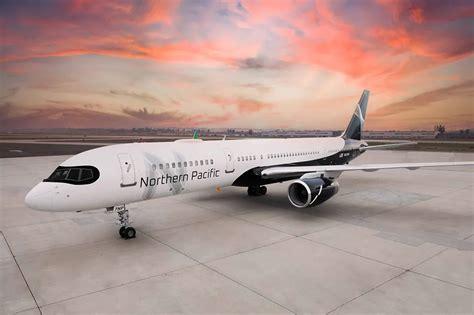
The decision arrives after years of reinvention. New Pacific Airlines, originally launched as Northern Pacific Airways, spent its short lifespan navigating unexpected obstacles ranging from branding battles to fleet utilization challenges. Its attempted pivot from scheduled routes to a charter-focused model bought it time but never produced the durable revenue base required to stabilize its finances. While early November had brought a glimmer of hope through a promising partnership with the boutique premium carrier Beond, that development proved unable to reverse the carrier’s financial trajectory.
The unraveling of New Pacific Airlines can be traced to mounting operational costs and limited revenue opportunities. Despite its efforts to optimize operations through charter services, the airline’s financial losses continued to deepen. CEO Hsieh’s internal message underscored an inability to continue subsidizing deficits, signalling the final breaking point. The company’s struggle to achieve economic viability was compounded by the pandemic-era cost landscape, high maintenance requirements for its aging fleet, and volatility in the niche markets it attempted to serve.
The shutdown also reflects an increasingly competitive environment for smaller US carriers. Without the buffer of a large network or the benefit of scale, New Pacific relied heavily on targeted partnerships and on-demand charter contracts. While these helped maintain operations, they were insufficient to offset cash burn. The carrier’s payroll obligations remained in place through November 27, and returning far-flung crew members became a final logistical priority of the management team.
Fleet Realities and Their Impact on Operations
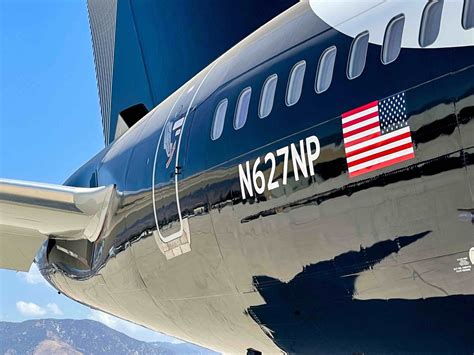
New Pacific Airlines operated a fleet of seven aircraft at the time of its closure—three Boeing 757-200s, three Dash 8-100s, and one Dash 8-300. The average age of these aircraft hovered around 31 years, a fact that played a significant role in its financial constraints. The 757-200s, although outfitted in an all-business configuration of 78 seats arranged four-abreast, remained expensive to maintain and operate. They were popular in sports charter markets, but charter demand fluctuates, leaving the airline exposed to periods of low utilization.
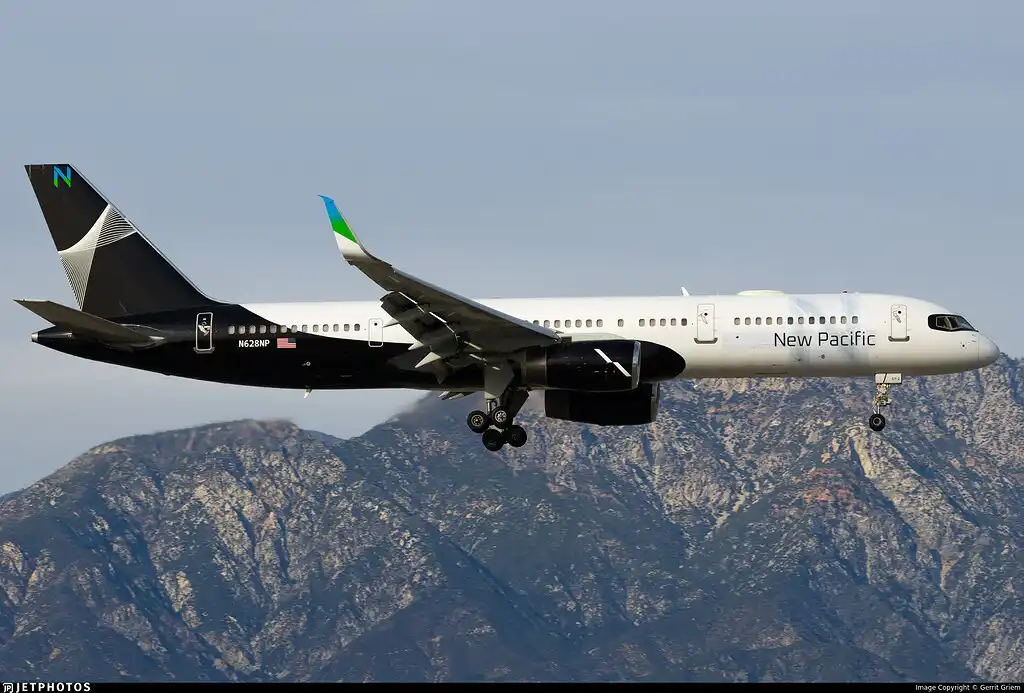
Tracking data shows that two of the 757s—N627SP and N628SP—were ferried to storage at the Mojave Air and Space Port shortly after the shutdown announcement. Their positioning flights from Columbus and Farmingdale signaled the quiet winding down of operations. The Dash 8 fleet, which had been part of New Pacific’s bid for Essential Air Service routes in North Dakota, remains in limbo as regulatory processes play out.
The cost dynamics of running older aircraft in a premium-focused model posed constant pressure. While the airline’s cabin product aligned with luxury charter expectations, fuel burn and maintenance cycles placed the airline at a competitive disadvantage compared to operators flying newer, more efficient types.
A Brief But Complicated History
Founded in May 2021, the carrier initially sought to revive the transit model that once made Anchorage a strategic midpoint for transpacific routes. The vision rested on positioning Anchorage as a modern stopover hub for traffic between Asia and the United States. This concept, though innovative, faced significant structural obstacles. Regulatory complexities, competitive market alternatives, and shifting passenger behavior meant the model struggled to gain traction.
The airline’s first scheduled flight finally launched in July 2023 from Ontario to Las Vegas after delays pushed it beyond its original June target. However, the return flight was immediately canceled due to a mechanical issue—an omen of the operational turbulence to come. In 2024, the legal challenge brought by BNSF Railway forced a costly rebranding from Northern Pacific Airways to New Pacific Airlines. The expense and disruption impacted marketing momentum and customer awareness.
Following low yields on scheduled flights, the company shifted to charter operations in early 2024. This pivot offered temporary stability, yet revenues remained inconsistent. Even with creative repositioning, including its sports charter successes, the airline’s business structure proved too fragile to weather the prolonged challenges.
The Partnership With Beond: A Missed Lifeline
One of the most hopeful developments emerged in early November 2025, when New Pacific secured a partnership with Beond, the Maldivian all-premium carrier planning its US expansion. The deal would have positioned New Pacific as Beond’s operating partner for transpacific entry, leveraging its 757 fleet for premium charter operations ahead of Beond’s own US launch planned for the second half of 2026.

However, this partnership arrived too late. While Beond confirmed that New Pacific’s collapse will not delay its own timeline, the anticipated contract revenue would have required more time to materialize than New Pacific had available. Cash reserves reached critical levels before the partnership could meaningfully impact financial stability.
What Comes Next for the Airline’s Assets
With operations halted, attention turns to asset disposition. The 757s, despite their age, retain value in niche charter segments, particularly for sports and entertainment travel. The Dash 8s may attract interest from regional carriers seeking additional capacity, particularly for Essential Air Service markets where turboprops remain ideal. Employees face a period of transition, though the airline’s commitment to ensuring they return home safely reflects an orderly operational wind-down.
The story of New Pacific Airlines is ultimately one of ambition tested by economic realities. Its attempt to carve out a unique identity in the US aviation landscape demonstrates both the opportunity and the difficulty inherent in launching a modern airline. As the aviation industry continues evolving, the lessons of this shutdown will linger, shaping the strategies of future startups navigating the same tight corridors of cost, regulation, and competition.