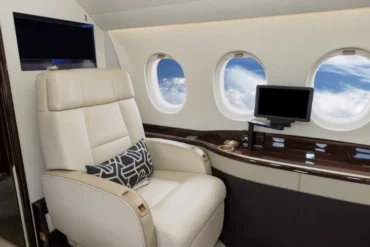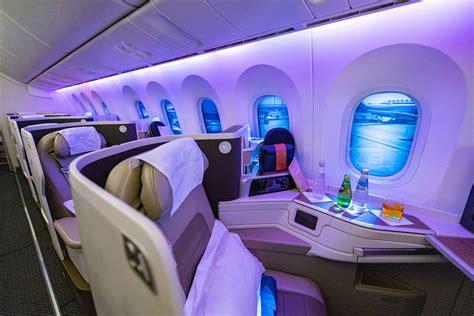
Commercial aviation has mastered the art of separation without making the divide feel obvious. On the surface, the difference between economy and business class appears simple: a wider seat, better food, more legroom, and perhaps a glass of champagne before takeoff. Yet the real distinction begins long before passengers even step onto the aircraft and continues well after landing. Behind the polished cabin doors exists an entirely different operational ecosystem designed to eliminate friction, preserve calm, and compress time.
Most economy passengers experience air travel as a sequence of queues, bottlenecks, noise, and compromise. Business class travelers, especially seasoned long-haul flyers, move through a parallel system that quietly shields them from many of those same pressures. Airports, airlines, and even aircraft interiors are increasingly engineered around these invisible workflows.
The result is not merely luxury. It is controlled efficiency disguised as effortless comfort.
Frequent premium travelers understand these systems intimately. Many follow routines so seamlessly integrated into their journeys that passengers seated thirty feet behind them never even realize they exist. From private boarding corridors to digital meal planning and hidden onboard lounges, these rituals shape the modern premium travel experience in ways most travelers never notice.
Private Boarding Corridors Keep Business Class Isolated From Airport Chaos
One of the least visible aspects of premium air travel happens during boarding. While economy passengers often gather in crowded gate areas waiting for boarding groups to be called, experienced business class travelers may already be on the aircraft long before the main queue starts moving.
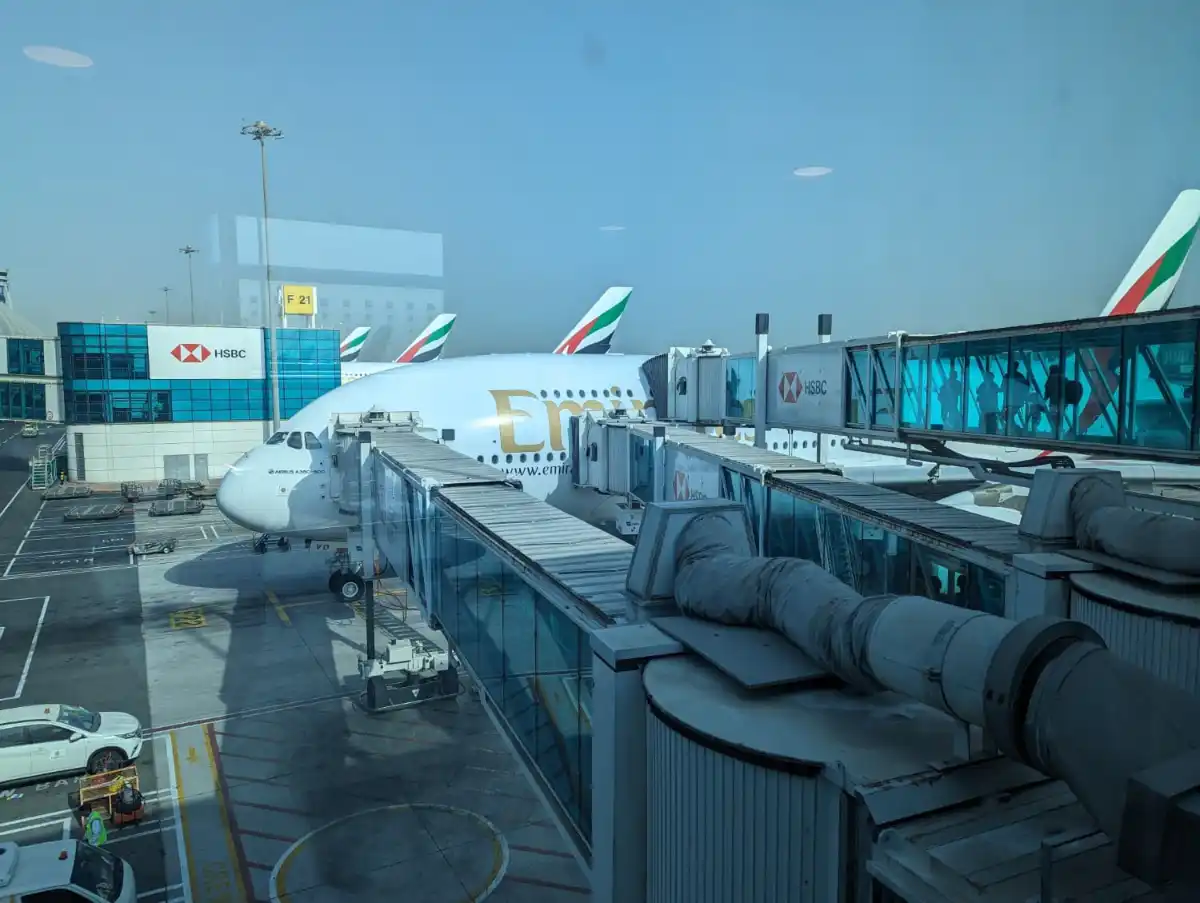
Major international airports have spent enormous amounts of money redesigning gates for this purpose. Airports handling large aircraft like the Airbus A380 and Boeing 777X increasingly feature multi-level jet bridge systems that physically separate premium passengers from the main boarding flow.
At airports such as San Francisco International Airport, specialized gate infrastructure allows airlines to board passengers directly into upper-deck premium cabins without forcing them through crowded economy aisles. Virgin Atlantic, Emirates, Singapore Airlines, and Qatar Airways all utilize versions of this strategy at major hubs.
The difference is subtle but dramatic. Economy passengers typically funnel through a single crowded corridor before entering the aircraft through the middle boarding door. Meanwhile, business class travelers are quietly directed toward separate pathways, sometimes hidden behind signage or partition walls, where the environment feels more like a hotel lobby than an airport gate.
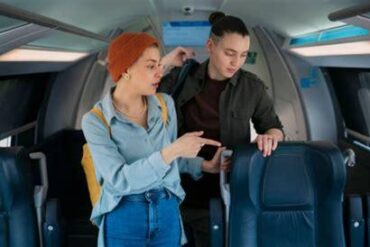
Inside the aircraft, the effect becomes even more noticeable. Premium cabins remain calm and nearly silent while hundreds of passengers continue boarding farther back. There are no bottlenecks caused by overhead luggage battles. No endless stream of people squeezing through narrow aisles. No waiting while passengers debate seat assignments or reorganize backpacks.
Architecturally, airlines have created a system where the stress of mass boarding becomes almost invisible to premium travelers.
For many business class passengers, this separation matters as much as the seat itself.
Business Class Travelers Often Choose Their Meals Weeks Before Departure
Economy passengers usually encounter airline food as a surprise revealed mid-flight from a rolling cart. Business class travelers approach inflight dining very differently.
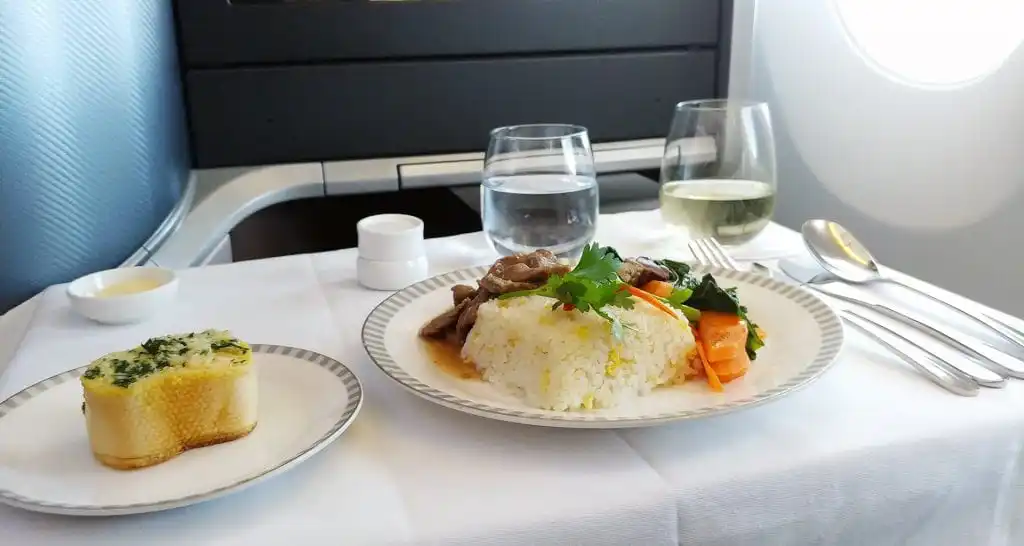
Modern premium cabins increasingly rely on sophisticated digital pre-order systems that allow travelers to reserve meals days or even weeks before departure. The process resembles restaurant booking more than traditional airline catering.
Singapore Airlines arguably perfected this concept with its famous “Book the Cook” program. Business class passengers can browse extensive menus featuring dishes unavailable onboard and reserve specific meals long before takeoff. Rather than choosing between whatever remains on the trolley, travelers secure carefully prepared options assigned directly to their seats.
This transforms the psychology of inflight dining completely.
Instead of reacting to limited inventory, premium passengers proactively curate their meals around personal preference, dietary needs, or even time-zone management strategies. Frequent travelers often deliberately select lighter meals to reduce fatigue on overnight flights or choose protein-heavy dishes to combat jet lag.
The operational benefits for airlines are equally significant. Digital meal forecasting reduces waste, streamlines catering logistics, and improves inventory precision on ultra-long-haul flights where every kilogram matters.
Carriers such as Emirates, Delta Air Lines, Cathay Pacific, and American Airlines have all expanded digital meal customization programs in recent years. Some now allow passengers to modify dining schedules, reserve specific wines, or request regional specialties unavailable to standard cabin passengers.
What economy travelers rarely notice is how much planning goes into these meals before the aircraft even leaves the ground.
By the time the plane reaches cruising altitude, many business class passengers are already eating dishes selected weeks earlier.
Changing Into Sleepwear Is Treated Like A Flight Ritual
On long-haul overnight routes, experienced business class passengers often follow a carefully timed transition ritual shortly after takeoff. Once the aircraft stabilizes at cruising altitude and the seatbelt sign switches off, many immediately head to the lavatory to change clothes.
For travelers unfamiliar with premium cabins, this behavior can seem excessive. For seasoned international flyers, it is one of the most important parts of managing long-distance fatigue.
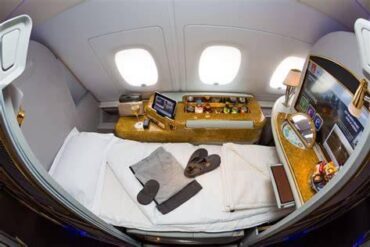
Sleeping in business attire or restrictive casual clothing becomes deeply uncomfortable on flights lasting twelve to sixteen hours. Business class cabins increasingly address this reality by offering specialized sleepwear kits designed specifically for cabin conditions.
Qatar Airways, ANA, Japan Airlines, and United Polaris routes frequently distribute premium pajamas, slippers, mattress pads, and high-thread-count bedding intended to mimic hotel-quality sleep environments. The fabrics are selected for breathability and temperature regulation in low-humidity pressurized cabins.
The ritual itself serves a psychological purpose beyond physical comfort.
Changing clothes signals a mental transition from transit mode into rest mode. Frequent travelers often describe it as the moment the flight truly begins. Once dressed in soft loungewear with the seat converted into a lie-flat bed, the aircraft stops feeling like transportation and starts resembling a temporary private suite.
Cabin crews are acutely aware of these rhythms. Meal pacing, lighting adjustments, and service timing are often subtly coordinated around the expectation that many passengers will change, eat quickly, and attempt uninterrupted sleep for several hours.
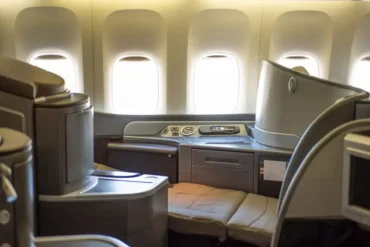
Economy cabins rarely support this kind of transformation. Space limitations, upright seating, and shared armrests make true rest difficult. In business class, however, airlines increasingly design the cabin around the assumption that passengers intend to maintain normal human sleep cycles despite traveling across oceans at 38,000 feet.
That hidden behavioral shift fundamentally changes the experience of long-haul travel.
Onboard Lounges Turn Certain Aircraft Into Flying Social Clubs
Most passengers assume every traveler remains seated throughout the flight except for bathroom visits. On certain premium-heavy aircraft, that assumption is wildly inaccurate.
Some business class passengers spend significant portions of long-haul flights inside dedicated onboard lounges and social areas that remain completely invisible to most travelers.
The Emirates Airbus A380 is perhaps the most famous example. At the rear of the upper deck sits a fully staffed cocktail lounge featuring curved leather seating, ambient lighting, premium spirits, and open social space. Qatar Airways operates similar lounge concepts on its A380 fleet, while Virgin Atlantic developed “The Loft” aboard its Airbus A350 aircraft as a quieter social workspace.
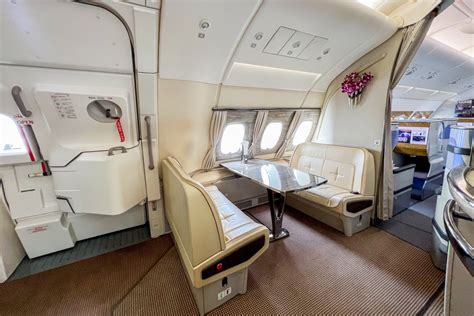
These lounges dramatically alter the pacing of ultra-long-haul travel.
Instead of remaining confined to one seat for fourteen hours, premium passengers treat the aircraft as a multi-room environment. Some hold informal business meetings mid-flight. Others socialize over cocktails, stretch their legs, snack between meal services, or simply escape the psychological monotony of remaining seated.
The spaces themselves are engineered carefully. Soundproofing bulkheads and curtains isolate lounge activity from sleeping cabins nearby. Lighting tends to remain softer and warmer than the rest of the aircraft. Food offerings are separate from standard meal services, often including hors d’oeuvres, desserts, espresso machines, and boutique wines.
Frequent business travelers sometimes choose airlines specifically because these lounges exist. On extremely long routes between cities like Singapore, Dubai, London, Los Angeles, or Sydney, the ability to move around freely becomes psychologically valuable.
The hidden irony is that some of the aircraft’s most luxurious spaces are completely unknown to most passengers onboard.
Hundreds of economy travelers may spend an entire flight unaware that a cocktail lounge filled with premium passengers is operating quietly upstairs.
Priority Baggage Systems Quietly Save Business Travelers Massive Amounts Of Time
The premium travel experience does not end when the aircraft lands. In many ways, some of the most efficient systems activate after arrival.
Business class travelers rarely stand around baggage carousels for long because their luggage enters an entirely separate handling workflow from the moment it is checked in.
At departure, airline agents attach brightly colored priority tags to premium luggage. These tags are not decorative. They function as operational instructions for ground crews loading cargo containers into the aircraft hold.
Priority bags are strategically placed closest to container doors so they can be removed first upon arrival. Once unloaded, they move through accelerated baggage channels toward the carousel before most passengers even clear immigration.
Combined with fast-track customs and immigration lanes, the time difference becomes enormous.
At major international airports, business class passengers may exit the terminal and enter taxis while economy passengers from the exact same flight are still waiting for luggage to appear.
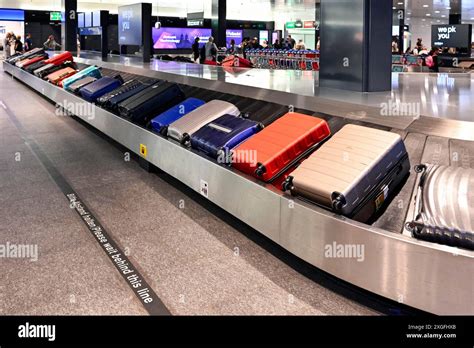
Airlines such as Singapore Airlines, Lufthansa, British Airways, and Air France increasingly integrate these systems into broader premium arrival experiences. Some even coordinate chauffeur services or dedicated arrival escorts for connecting passengers.
What makes these systems remarkable is their invisibility. Economy travelers often assume baggage arrival operates randomly or purely based on luck. In reality, premium luggage handling follows tightly controlled sequencing protocols engineered to minimize delay.
For frequent corporate travelers making multiple international trips per month, saving thirty or forty minutes after every arrival becomes more than a convenience. It becomes part of a carefully optimized schedule.
That hidden efficiency explains why many veteran travelers value premium cabins for time savings as much as onboard comfort.
The Real Luxury Of Business Class Is Friction Elimination
The most misunderstood aspect of business class is the assumption that it exists purely for indulgence. Certainly, premium cabins include luxurious elements — lie-flat beds, fine wines, gourmet meals, and spacious seating all play important roles. Yet the deeper function of modern business class revolves around something less glamorous but far more valuable: removing friction from travel.
Every hidden ritual contributes to that goal.
Separate boarding corridors eliminate crowd stress. Digital meal selection removes uncertainty. Sleepwear routines improve recovery across time zones. Onboard lounges reduce confinement fatigue. Priority baggage systems compress arrival times dramatically.
Individually, each detail seems small. Together, they transform international travel into a fundamentally different experience.
Airlines understand this psychology extremely well. Premium passengers are not simply paying for larger seats. They are paying for continuity, predictability, and control within an environment normally defined by disruption.
That invisible architecture is what economy passengers rarely see.
From the outside, everyone boards the same aircraft and lands at the same destination. Inside the system, however, the journey unfolds according to two entirely different realities.