Turbulence is one of the most common experiences in aviation, yet it remains one of the biggest sources of anxiety for passengers. A sudden drop, a sharp shake, or the sound of items moving inside the cabin can instantly create fear, even among frequent travelers. However, behind the scenes, flight attendants are trained professionals who immediately switch from service mode to safety mode the moment turbulence appears.
What passengers often see is only the final result: the cabin becomes quiet, the seatbelt sign turns on, and the crew members take their seats. What they may not notice is the carefully practiced sequence happening seconds earlier. Flight attendants are assessing risks, securing equipment, communicating with each other, and working with the flight crew to protect everyone onboard.
Turbulence is not a sign that an aircraft is failing. Modern aircraft are engineered to withstand forces far greater than those normally experienced during flight. The challenge is not the aircraft itself but the movement of people and unsecured objects inside the cabin. A passenger walking without a seatbelt, a hot beverage cart, or loose luggage can become a safety hazard when unexpected movement occurs.
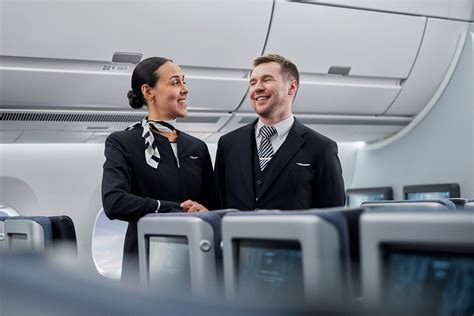
Understanding Why Turbulence Happens During A Flight
Turbulence occurs when an aircraft flies through irregular air movements. Air may appear invisible and calm, but the atmosphere contains constantly changing currents, pressure differences, and wind patterns that can affect an aircraft’s movement.
One common type is convective turbulence, which develops when warm air rises and cooler air sinks. This is frequently associated with thunderstorms, clouds, and areas where the atmosphere is unstable. Passengers often experience this type of turbulence during climbs and descents, especially when flying over land during warm weather.
Another type is mechanical turbulence, which occurs when airflow is disrupted by physical features such as mountains, buildings, or terrain. Airports located near mountain ranges can experience these conditions because wind flowing over obstacles creates uneven air movement.
Perhaps the most surprising type is clear air turbulence, which can happen without visible clouds or storms. It often occurs near jet streams, where rapid changes in wind speed and direction create unstable air conditions. Because there are no visible signs, it can sometimes appear suddenly, giving passengers the impression that the aircraft has encountered an unexpected problem.
There is also wake turbulence, caused by the powerful wingtip vortices created by other aircraft. Air traffic controllers manage aircraft separation carefully to reduce this risk, especially when smaller aircraft operate behind large commercial aircraft.
The intensity of turbulence is generally classified as light, moderate, severe, or extreme. Light turbulence may feel like small bumps, while severe turbulence can cause passengers and unsecured objects to move violently. Regardless of intensity, the main concern for cabin crew is always preventing injuries inside the aircraft.
The First Thing Flight Attendants Do When Turbulence Begins
Before every flight, flight attendants participate in safety briefings where procedures, communication methods, and potential operational concerns are reviewed. They may receive information about expected weather conditions, possible turbulence areas, and instructions from the flight deck.
Airline operations teams continuously monitor weather systems, while pilots use weather radar, reports from other aircraft, and aviation forecasts to avoid dangerous areas whenever possible. However, turbulence cannot always be predicted. Some of the strongest encounters can occur unexpectedly.
When turbulence begins, the first visible action passengers notice is usually the seatbelt sign turning on. For flight attendants, this signal immediately triggers a safety response.
Their first priority is the cabin secure check. This involves scanning the cabin and ensuring passengers are seated with their seatbelts fastened, loose items are stored properly, and equipment is secured. The crew communicates the cabin situation to the senior flight attendant, who then relays important information to the pilots.
This process may happen within seconds. Passengers might think the crew is simply returning to their seats, but a significant amount of coordination has already taken place.
Flight attendants are also checking areas passengers rarely consider, including the galley, service equipment, overhead compartments, and lavatories. Any unsecured object can become dangerous during sudden movement.
How Flight Attendants Secure The Cabin During Turbulence
The cabin environment changes quickly when turbulence increases. During normal service, flight attendants may have several carts moving through the aircraft, passengers may be standing, and hot drinks may be distributed. Once turbulence becomes a concern, those activities stop immediately.
If service carts are in the aisle, flight attendants work quickly to return them to the galley. The carts must be locked into position because a heavy service cart moving freely during turbulence can injure passengers or crew members.
The galley also requires attention. Flight attendants secure containers, store loose equipment, remove unstable items, and make sure hot liquids are controlled. Coffee pots, tea containers, and meal equipment can become dangerous if the aircraft suddenly drops or rolls.
Lavatories are another area that must be considered. Depending on the situation, flight attendants may instruct passengers to return to their seats because remaining inside a lavatory during turbulence creates a higher injury risk.
Communication is essential during this process. Flight attendants are effectively the eyes and ears of the flight deck. Pilots can control the aircraft, but they cannot directly see what is happening inside the passenger cabin. The cabin crew provides information about injuries, damaged equipment, unusual conditions, or anything that requires attention.
What Happens When Turbulence Hits During Meal Service
One of the most challenging situations for flight attendants is turbulence occurring while meal or beverage service is underway. A calm cabin can transform into a safety situation within moments.
If turbulence is mild, crew members may temporarily continue limited service while staying alert. They know how to position themselves safely, using seats or fixed areas for support. Hot beverages are often stopped first because they create a significant burn risk.
If conditions worsen, the priority changes immediately. The crew stops service, secures all equipment, and prepares to sit down.
Passengers may notice that flight attendants sometimes appear calm during these moments. This is not because the turbulence feels insignificant. It is because they have practiced these scenarios repeatedly. Their training teaches them to remain focused and complete safety tasks efficiently.
The goal is not to continue providing service at all costs. The goal is to ensure that everyone in the cabin is protected before the aircraft enters stronger turbulence.
What Flight Attendants Do During Severe Or Unexpected Turbulence
The most challenging situation occurs when severe turbulence arrives suddenly, especially clear air turbulence that cannot be detected easily.
In this situation, flight attendants must protect themselves first. This is an important safety principle because an injured crew member cannot assist passengers effectively.
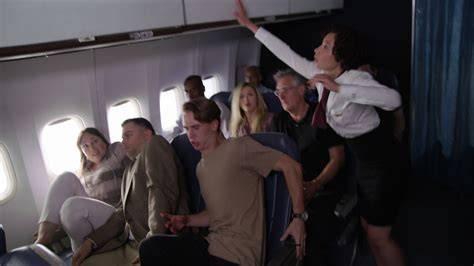
A flight attendant may immediately move to the nearest jumpseat, empty passenger seat, or another secure position. If there is no time, they may brace themselves by holding onto a strong fixed structure.
Passengers sometimes wonder why crew members do not instantly walk through the cabin during severe turbulence to check everyone. The reason is simple: movement through a violently moving aircraft can put both crew and passengers at greater risk.
Once conditions improve enough to move safely, flight attendants assess the cabin. They check whether overhead bins have opened, whether panels or equipment have moved, and whether passengers or crew members have injuries.
They then report the situation to the pilots. Information from the cabin can influence decisions about continuing the flight, changing altitude, or preparing for further action.
Why Flight Attendants Are Often The Most Injured People During Turbulence
Although flight attendants work to protect passengers, they are also among the people most exposed to turbulence-related injuries.
Passengers usually remain seated when turbulence occurs, but flight attendants may already be standing, moving carts, or securing equipment when conditions change. This places them at greater risk.
Common injuries include damage to the neck, shoulders, head, and ankles. Even moderate turbulence can cause injuries when someone is caught off balance.
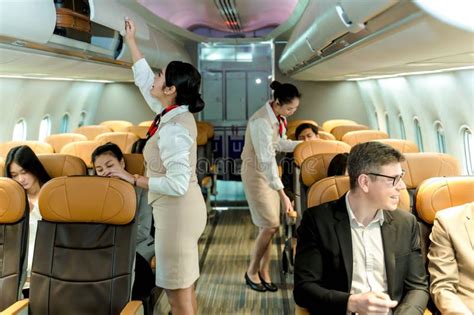
Safety organizations have recorded hundreds of serious turbulence-related injuries over recent years, with cabin crew representing a significant portion of those affected. These incidents explain why airlines continue improving procedures and changing service practices.
Some airlines have adjusted cabin service policies to reduce exposure. For example, ending beverage service earlier before landing gives crews more time to secure the cabin before potential turbulence. Other carriers have changed meal procedures to reduce risks from hot liquids.
These changes demonstrate an important aviation principle: preventing injuries is more important than completing a service routine.
The Hidden Training Behind Every Turbulence Response
The actions passengers see during turbulence are supported by extensive training. Flight attendants regularly practice emergency procedures, including cabin security, communication methods, evacuation procedures, medical response, and abnormal situations.
Turbulence response is not based on panic or instinct alone. It is a structured process developed through aviation safety experience.
Crew members learn how to judge situations quickly. They must decide whether to continue service, secure equipment, assist passengers, or immediately take their own safety positions.
This decision-making ability is one of the reasons commercial aviation remains one of the safest forms of transportation. Thousands of flights experience turbulence every day, but serious incidents remain rare because crews follow strict procedures.
What Passengers Can Do To Stay Safe During Turbulence
Passengers also play an important role in turbulence safety. The simplest action is keeping the seatbelt fastened whenever seated, even if the seatbelt sign is off.
Many turbulence injuries occur because passengers are not secured when sudden movement happens. A seatbelt provides protection by keeping the body connected to the seat during unexpected aircraft movement.
Passengers should also follow crew instructions immediately. Flight attendants are not asking people to remain seated without reason. Their instructions are based on real-time safety assessments.
Keeping personal items properly stored, avoiding unnecessary movement during rough conditions, and paying attention to announcements can significantly reduce risks.
Turbulence may feel uncomfortable, but it does not mean an aircraft is in danger. The aircraft, pilots, and cabin crew are designed to handle these situations together.
The Safety Routine Passengers Rarely See
When turbulence hits, passengers may notice only a few visible changes: the aircraft shakes, the seatbelt sign illuminates, and flight attendants return to their seats. Behind those simple actions is a highly coordinated safety procedure.
Flight attendants immediately assess the cabin, secure equipment, communicate with the flight deck, and make decisions designed to prevent injuries. Their calm response is the result of professional training and thousands of hours of experience.
The next time an aircraft encounters turbulence, remember that the quiet actions happening around you are part of a carefully designed safety system. While passengers may never notice every step, flight attendants are constantly working to keep the cabin secure from the moment the first bump appears.