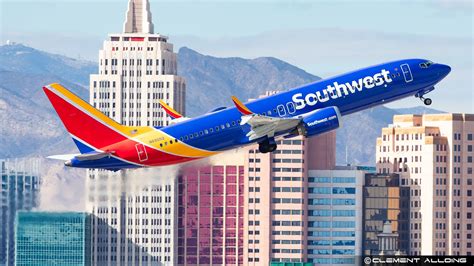
Flying has always been a game of trade-offs—price versus convenience, comfort versus cost, and time versus flexibility. But among the U.S. flying public, one belief seemed as dependable as a gate change at LAX: Southwest Airlines was the budget-friendly choice. That perception, however, is being turned on its head. Increasingly, travelers are finding themselves staring at fare screens in disbelief, discovering that Southwest is now the priciest option, even when a travel credit is applied.
This isn’t just anecdotal griping—it’s a systemic shift in fare dynamics, and it’s shaking up long-held assumptions about the carrier once considered the gold standard for low-cost, high-flexibility flying.
The Fare That Sparked the Debate
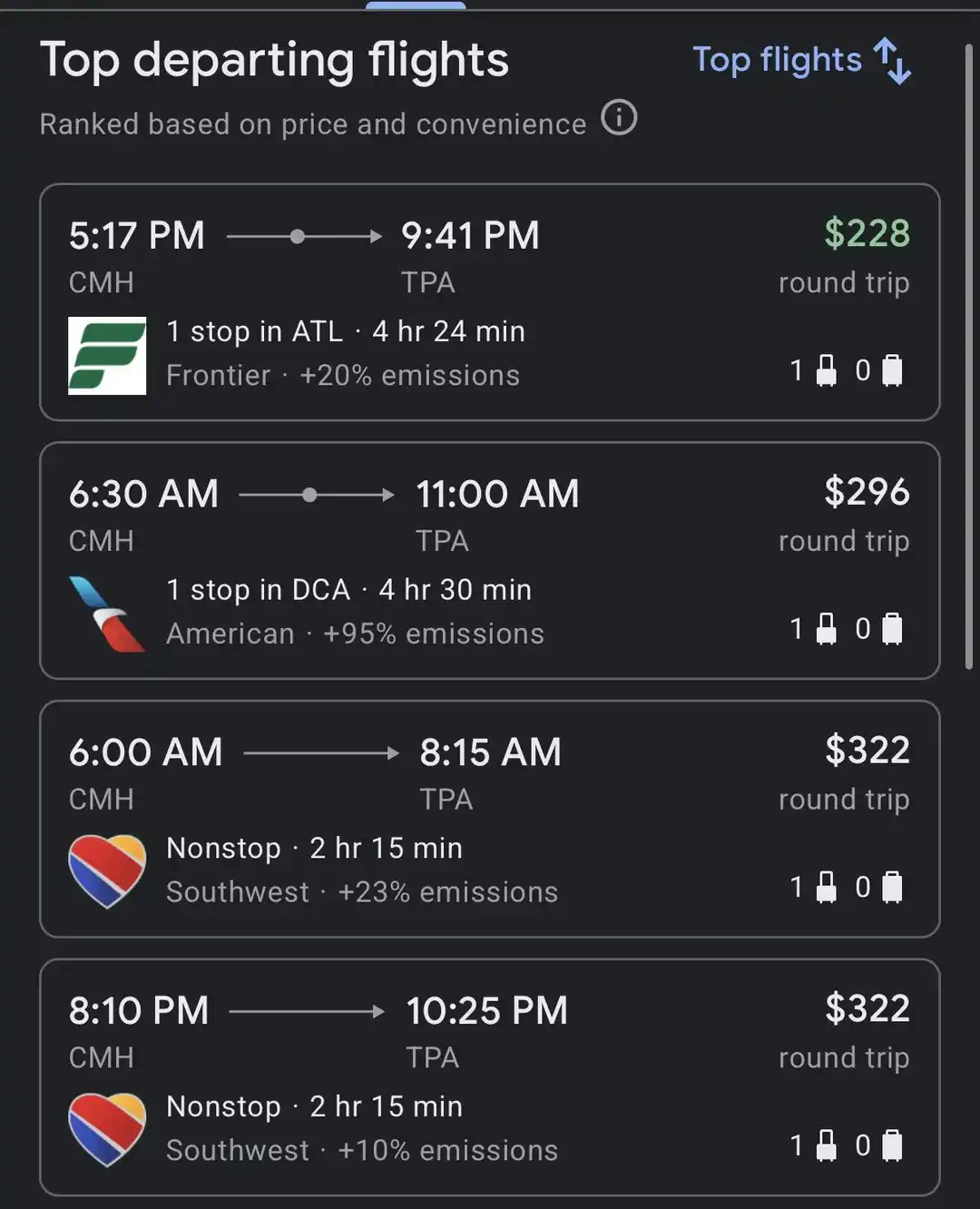
A recent online post sparked fierce conversation across travel forums. The scenario was simple yet jarring: a $322 one-way fare on Southwest, even after applying a $75 credit, was still more expensive than options from Delta, American, or even ultra-low-cost competitors like Frontier. For travelers raised on the idea that Southwest meant savings, this was more than a surprise—it was a recalibration of expectations.
Nonstop: The New Luxury?
One of the key revelations from the discussion is that nonstop flights now command a premium, and rightly so. In a travel landscape increasingly defined by fatigue, unpredictability, and airport chaos, the value of skipping a layover has never been higher. Many travelers were quick to point out that they’d gladly pay $26 or more for a nonstop flight to avoid the slog through connecting hubs like Washington National (DCA), Chicago Midway, or Denver International.
What’s emerging is a willingness to pay for time, a commodity that’s becoming more precious as airport bottlenecks, security delays, and connection risks mount. Airlines like Southwest, with robust point-to-point networks, have quietly evolved their product from “cheap” to convenient at a cost.
The Illusion of Cheaper Fares on Other Airlines
Travelers comparing fares are frequently misled by the base price, particularly with carriers like Delta, American, and Frontier. While these airlines may show cheaper options at first glance, what often isn’t immediately obvious is the avalanche of fees that follow.
Basic economy fares on legacy carriers like Delta and American often come with stringent restrictions:
- No seat selection
- No flexibility or cancellations
- No upgrades or elite credit accrual
On the flip side, Southwest’s standard fare includes:
- Two free checked bags
- No change fees
- Flexible rebooking policies
When you tally up the true cost of a trip—including baggage fees, seat selection, and flexibility—Southwest often regains its position as the more economical choice, just not in the way that’s obvious at first glance.
The Role of Frontier and Ultra-Low-Cost Carriers
Many travelers instinctively look to ultra-low-cost carriers like Frontier and Spirit as the cheapest options. However, these airlines operate under a business model that unbundles nearly every element of the flight experience. That $99 fare? It’s often a mirage.
- A carry-on: $45–$65
- Checked bag: $50–$70
- Seat selection: $15–$60
- Change fee: up to $99
Suddenly, that budget flight becomes a $250 experience—with no refund and poor schedule reliability. In contrast, Southwest’s all-inclusive fare model means fewer surprises and more consistency.
Pricing Transparency vs. Perception
Part of the dissonance travelers are experiencing stems from a change in perception rather than reality. Government data and fare aggregators have shown that Southwest has ranked among the more expensive carriers on several major routes for over a year now. Still, for many, the emotional branding of Southwest as a low-cost leader remains intact, and that contrast creates a sense of betrayal when pricing doesn’t match expectations.
Why Nonstop Costs More—and Why It’s Worth It
To understand the rise in Southwest’s fares, one must examine the economics of nonstop routes. Airlines allocate their assets—planes, crews, gates—to maximize return. Nonstop flights, especially during high-demand windows, are premium real estate in the flight schedule.
Travelers increasingly prioritize time and reliability over marginal savings. Missing a connection due to weather or delays has downstream consequences: missed meetings, lost vacations, and added stress. Southwest’s strategy has clearly shifted to reflect the reality that convenience is a form of luxury. The airline is pricing its nonstop services accordingly, and for many, the higher fare is an acceptable trade-off.
The Loyalty Play: Credit Vouchers and Trust Capital
Southwest has long relied on a deeply loyal customer base, bolstered by its Rapid Rewards program, flexibility policies, and customer-first image. But as fare prices increase, the value of that loyalty credit is under scrutiny.
In the original case, a $75 credit barely made a dent in the overall fare. What was once a meaningful gesture now feels like a token discount on a luxury ticket. For budget-conscious travelers, that’s not just a pricing issue—it’s a philosophical one. Is Southwest still the airline of the people, or is it moving into Delta’s territory of premium pricing masked by brand goodwill?
Market Behavior and Fare Volatility
It’s also crucial to acknowledge the dynamic nature of airline pricing. The same Southwest fare that looks overpriced today may undercut competitors tomorrow. Airlines use real-time inventory management, adjusting prices based on load factors, time of booking, and even passenger search behavior.
As one frequent flyer noted, bargains still exist on Southwest, especially on under-booked flights or off-peak travel days. But the days of blanket affordability across the board are gone. Pricing is now highly conditional, and passengers must adapt by using tools like fare alerts, flexible dates, and regional airport comparisons.
A New Era of Value-Based Flying
The broader takeaway is that the definition of “value” in air travel has evolved. It’s no longer just about the lowest number on the booking screen. Passengers are evaluating their choices through a multi-dimensional lens:
- Time saved through nonstop routes
- Perks like free bags and no change fees
- Reliability and customer support
- Total trip cost, not just fare price
In this context, Southwest’s pricing is less of an outlier and more of a bellwether. It reflects an industry-wide shift toward packaging convenience and predictability as premium features.
Final Boarding Call: Resetting Expectations
Southwest was never just about being the cheapest—it was about being fair, transparent, and traveler-friendly. As the airline adapts to new market realities, passengers must also adjust their mental math. A $322 ticket may no longer be outlandish if it means avoiding multiple layovers, skipping baggage fees, and flying with peace of mind.
The question isn’t why Southwest is more expensive. The question is: What are you really paying for when you choose your fare? In today’s air travel economy, the answer is rarely just the seat.