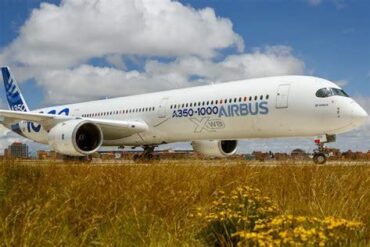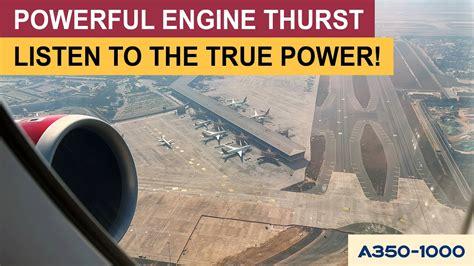
When evaluating the pinnacle of Airbus’ twin-aisle aircraft, the Airbus A350-900 and the A350-1000 immediately come to the forefront. Both are icons of modern aeronautical engineering, purpose-built to meet the growing demands of global air travel. As successors to the now-retired A380, they define Airbus’ extra-widebody portfolio and are underpinned by cutting-edge technology. But what separates these sibling aircraft most starkly is their takeoff thrust—a performance factor that determines their payload capability, runway performance, and long-haul dominance.
Power Difference: A Thrust Gap of Over 25,000 Pounds
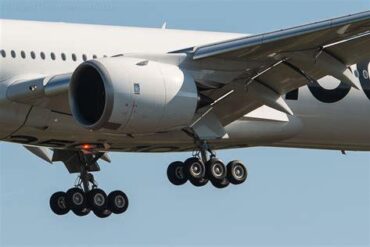
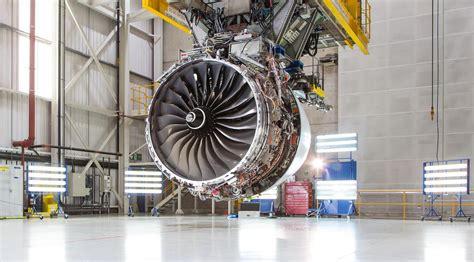
The A350-1000 boasts a formidable power edge over its slightly smaller counterpart. At the heart of this difference are the Rolls-Royce Trent XWB engines, custom-tailored to meet the thrust demands of each variant. The A350-900 is powered by the Trent XWB-84, delivering a maximum thrust of 84,200 pounds per engine. In contrast, the A350-1000 is equipped with the Trent XWB-97, a larger, more potent version pushing 97,100 pounds of thrust per engine. This results in an aggregate increase of 25,800 pounds of total thrust when considering both engines combined.
This increase isn’t simply for show. The A350-1000’s maximum takeoff weight (MTOW) exceeds that of the -900 by over 80,000 pounds, necessitating this higher thrust output. With a 375–400 seat capacity, it carries around 50 more passengers than the A350-900, all while maintaining similar range capabilities. The extra thrust ensures safe and efficient takeoff rolls under heavier payloads, especially in “hot and high” airport conditions where air density challenges lift and power generation.
Engineering Evolution: The XWB-97 vs. XWB-84
Both the XWB-97 and XWB-84 engines share Rolls-Royce’s signature three-shaft architecture, but the XWB-97 incorporates advanced materials and technologies to handle higher thermal loads and thrust demands. Its fan diameter spans three meters, enabling a bypass ratio of 9.6:1, promoting excellent fuel efficiency and reduced acoustic footprint. Titanium fan blades—lightweight yet incredibly strong—are aerodynamically swept and hollow to reduce weight and further mute engine noise.
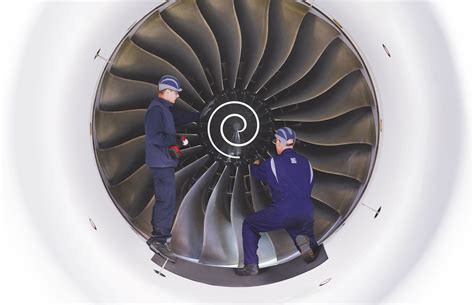
Innovative cooling and heat-resistant materials allow the XWB-97 to withstand the harshest operating environments. Rolls-Royce reports dispatch reliability over 99.9%, making the engine one of the most dependable in commercial aviation. Critically, both engines are certified for Sustainable Aviation Fuel (SAF), with future readiness for 100% SAF compatibility, aligning Airbus with the aviation industry’s long-term decarbonization goals.
Cabin Capacity and Operator Strategy
Aircraft performance isn’t just measured in technical parameters—it must align with real-world airline strategy. The A350-1000’s expanded cabin offers a 40% larger premium cabin footprint, capitalizing on the post-pandemic trend toward higher-yield business and first-class segments. This makes the -1000 especially attractive for carriers in the Middle East and Asia, including Qatar Airways, Etihad, and British Airways, all of whom operate the variant on long-haul flagship routes.
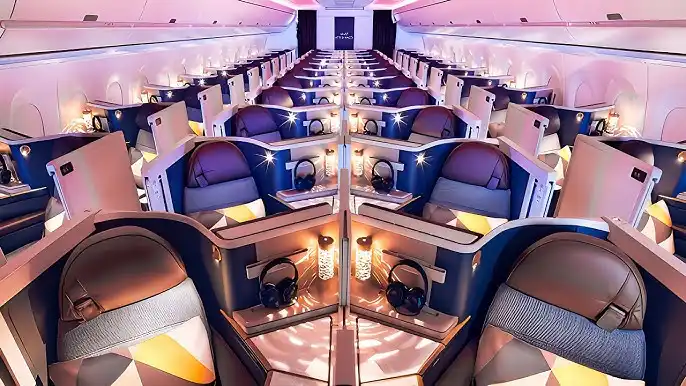
The A350-900, while slightly smaller, still offers immense flexibility. It seats between 332 and 352 passengers and has been selected as the foundation for ultra-long-haul variants like the A350-900ULR, famously used by Singapore Airlines for its record-breaking non-stop flights to New York. Its slightly reduced thrust profile makes it more efficient for mid-to-long haul operations where extreme payload isn’t required.
Thrust-to-Weight Ratio and Operational Efficiency
With more thrust, the A350-1000 delivers a stronger thrust-to-weight ratio, a crucial factor for shorter runways, higher altitudes, or regions with elevated temperature conditions. Airports like Bogotá, Johannesburg, and Dubai demand superior engine performance due to their environmental variables. The -1000’s engines ensure airlines can maximize payload without sacrificing range, even under these difficult conditions.
Fuel efficiency remains remarkable despite the increased thrust. The Trent XWB engine family consumes 25% less fuel than older-generation widebody engines, positioning both aircraft as leaders in low-emission long-range travel.
The Future: A350-2000 and Beyond
Looking ahead, Airbus is preparing to expand the A350 lineup with the proposed A350-2000, a stretched variant hinted at during the 2025 Dubai Airshow. With projected seating for 520 passengers in a single-class configuration, the -2000 would squarely challenge the Boeing 777X, and potentially even fill the gap left by the discontinued A380.
While thrust specifications for the A350-2000 haven’t been publicly confirmed, it is anticipated that an even more powerful variant of the XWB engine could be developed—or that existing XWB-97 engines may be pushed to their upper performance limits. This would solidify Airbus’ dominance in the large twinjet category, all while maintaining fleet commonality and operational efficiency for airlines.
Conclusion: More Thrust, More Possibility
The Airbus A350-1000’s significant thrust advantage over the -900 is more than just a numerical upgrade. It’s a deliberate design choice to empower airlines with greater payload flexibility, route expansion opportunities, and higher revenue potential. The combination of Rolls-Royce engineering, Airbus cabin innovation, and fuel-efficient performance makes the -1000 a technological and commercial triumph. As global carriers continue to evolve in a post-pandemic aviation market, aircraft like the A350-1000 offer the perfect fusion of power, comfort, and sustainability—a true flagship for the future of long-haul travel.