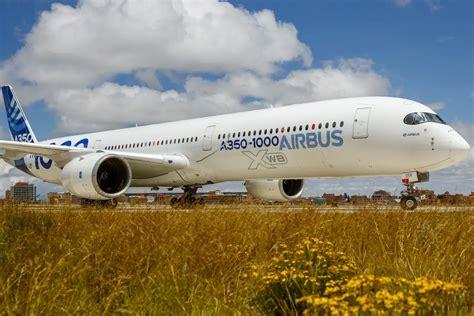
The Airbus A350-1000 is a machine that commands attention long before it leaves the runway. With its sleek carbon-fiber fuselage and immense wingspan, it represents the cutting edge of modern aviation engineering. Yet beneath that elegance lies a surprisingly intense reality: the fuel consumption during takeoff is one of the most expensive and energy-demanding phases of its entire journey. For an aircraft designed to redefine efficiency, this initial burst of power tells a far more complex story.
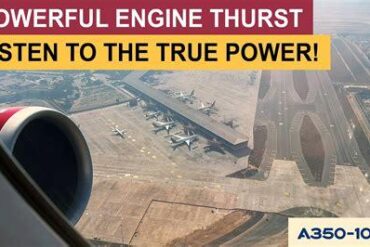
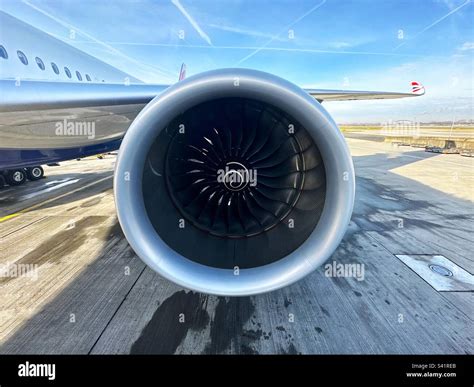
From the moment its Rolls-Royce Trent XWB-97 engines spool up, the A350-1000 transforms into a controlled explosion of thrust and fuel. Each engine generates an astonishing 97,000 pounds of thrust, pushing a fully loaded aircraft weighing over 300 tons down the runway. That kind of force doesn’t come cheap—either mechanically or financially. The aircraft burns fuel at a rate that can exceed 1,000 kilograms per minute, turning every second of takeoff into a calculated expenditure.
What makes this even more striking is the contrast between takeoff consumption and cruise efficiency. While the A350-1000 is celebrated for being up to 25% more fuel-efficient than older widebody aircraft during long-haul cruising, its appetite for fuel during departure is dramatically higher—up to 125% more than its steady-state burn rate at altitude. This isn’t a flaw; it’s a deliberate design compromise.
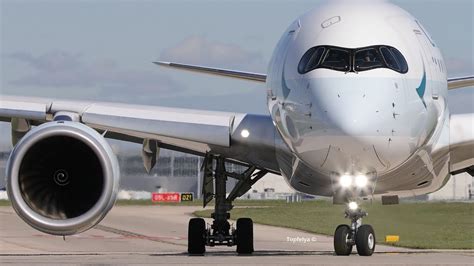
The Real Cost of Takeoff Fuel Burn
In practical terms, the first few minutes of an A350-1000 flight are among the most expensive. During takeoff and initial climb, the aircraft consumes approximately 2.5 to 3 tons of jet fuel. That’s equivalent to what it would burn over ten minutes of cruising at altitude, condensed into a brief, high-intensity window.
At typical fuel prices, this translates to roughly $500 to $1,000 spent in just minutes, though volatile fuel markets can easily push that figure higher. When scaled across hundreds of flights per year, the cumulative cost becomes staggering. Airlines are acutely aware that every departure carries this built-in expense, making operational efficiency on the ground just as critical as efficiency in the air.
The economics are tightly linked to the aircraft’s broader mission. With an estimated operating cost of just over $5,000 per flight hour, and fuel accounting for more than half of that, even small inefficiencies during takeoff can ripple through an airline’s profitability. Yet despite this heavy initial burn, the A350-1000 ultimately balances the equation through superior long-haul performance.
Why Takeoff Demands So Much Energy
Launching a 322-ton aircraft into the sky is not a gentle process. The physics alone explain why fuel consumption spikes so dramatically. The aircraft must overcome both inertia and gravity simultaneously, all while moving through the densest part of Earth’s atmosphere.
To achieve liftoff, the A350-1000 accelerates to around 300 km/h (186 mph). This requires sustained maximum or near-maximum engine output, pushing the engines into their least efficient operating zone. At these power settings, thrust-specific fuel consumption increases, meaning more fuel is required for every unit of thrust produced.
Complicating matters further, the aircraft deploys flaps and slats to generate additional lift at lower speeds. While essential for safe takeoff, these surfaces significantly increase aerodynamic drag, forcing the engines to work even harder. The result is a perfect storm of conditions that drive fuel burn to its peak.
The Climb Phase: Where Fuel Burn Peaks
Contrary to what many assume, fuel consumption doesn’t drop immediately after liftoff. In fact, during the initial climb, it often increases. The aircraft must continue accelerating while gaining altitude, typically burning between 1,200 and 1,500 kilograms of fuel per minute.
This phase is particularly demanding because the aircraft is still operating in relatively dense air while attempting to reach the thin, fuel-efficient cruising altitudes above 35,000 feet. Every additional meter climbed requires energy, and that energy comes directly from fuel.
Only once the aircraft reaches its cruising level does the efficiency narrative flip. At altitude, the A350-1000 settles into a far more economical rhythm, burning roughly 100 kilograms per minute—a fraction of its takeoff rate. This dramatic shift highlights just how front-loaded the fuel cost of flight really is.
Engineering Trade-Offs: Power vs Efficiency
The A350-1000’s design reflects a deliberate balance between maximum thrust capability and long-haul efficiency. Airbus and Rolls-Royce optimized the aircraft for the phase where it spends the majority of its time: cruising. However, they also ensured it could deliver extraordinary power when needed.
This dual capability is especially important for operations at “hot and high” airports, where reduced air density can severely impact performance. In such conditions, the aircraft must generate even more thrust to achieve the same lift, further increasing fuel consumption during takeoff.
Despite this, the aircraft’s advanced carbon-fiber composite structure and aerodynamically efficient wings help mitigate overall fuel use across the entire flight. The result is an aircraft that may burn heavily at the start but compensates with exceptional efficiency over long distances.
How the A350-1000 Compares to Its Rivals
In the competitive world of widebody aircraft, the A350-1000 faces strong competition from the Boeing 777 and Boeing 787 Dreamliner families. Each aircraft has its own strengths, but the A350-1000 distinguishes itself in a few key areas.
Compared to the older Boeing 777-300ER, the A350-1000 benefits from newer engines and lighter materials, resulting in lower fuel consumption overall, even if takeoff remains energy-intensive. Meanwhile, the smaller 787-10 consumes less fuel in absolute terms but cannot match the A350-1000’s payload capacity, making the Airbus more efficient on a per-seat basis.
Interestingly, despite its larger size, the A350-1000 often requires less runway distance than the 787-10. This is due to its highly efficient wing design, which generates lift earlier in the takeoff roll. It’s a reminder that raw size doesn’t always dictate performance.
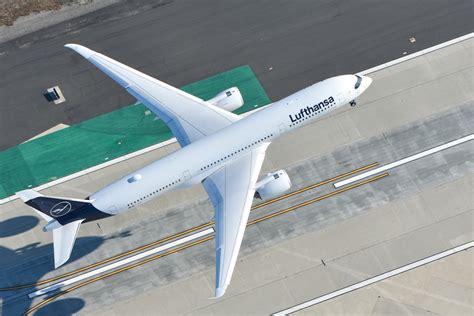
The Strategic Advantage of High Takeoff Burn
At first glance, burning tons of fuel in minutes might seem like a design flaw. In reality, it’s a strategic decision. The A350-1000 is built for ultra-long-haul missions, where efficiency over 15–20 hours matters far more than a few minutes of high consumption.
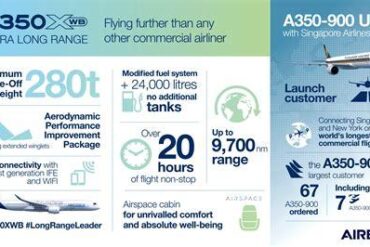
By investing heavily in takeoff power, the aircraft ensures it can carry maximum payloads over extreme distances. This capability is what enables airlines to operate routes that were once considered impossible, connecting cities separated by over 10,000 miles without stopping.
In this context, the high takeoff burn becomes a necessary upfront cost for unlocking long-term efficiency. It’s a classic case of spending more at the beginning to save significantly over time.
Project Sunrise: Pushing Limits Even Further
The A350-1000’s capabilities are being pushed to their limits in Project Sunrise, an ambitious initiative aimed at operating the world’s longest non-stop commercial flights. Airlines like Qantas are betting on specially modified A350-1000 aircraft to connect cities like Sydney directly to London or New York.
These ultra-long-range variants will carry additional fuel tanks, increasing capacity by 20,000 liters. To offset the added weight, passenger numbers are reduced, prioritizing range and comfort over volume.
The irony is unmistakable: an aircraft already known for its high takeoff fuel burn will carry even more fuel to enable flights lasting up to 22 hours. Yet once airborne and cruising, it becomes one of the most efficient aircraft ever built, proving that context is everything in aviation economics.
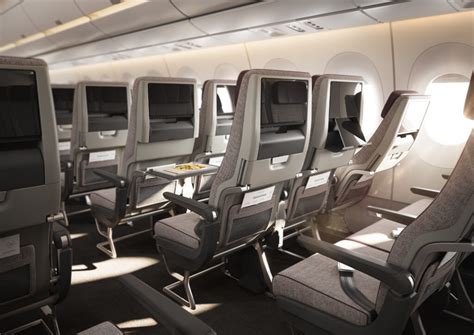
Inside the Efficiency Revolution
Beyond raw performance, the A350-1000 incorporates innovations that redefine what efficiency means in aviation. Its advanced aerodynamics, lightweight materials, and next-generation engines work together to minimize fuel burn where it matters most.
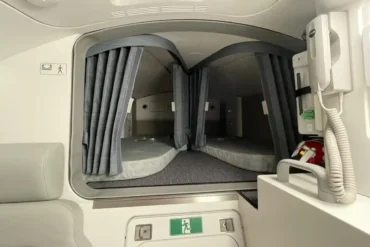
Even cabin design plays a role. By optimizing passenger layouts and reducing unnecessary weight, airlines can improve overall efficiency. Features like enhanced lighting systems and dedicated wellness zones also ensure that passengers remain comfortable during ultra-long flights, making the aircraft not just efficient, but also highly desirable.
This holistic approach underscores a key point: fuel efficiency isn’t just about engines. It’s about integrating technology across every aspect of the aircraft.
The Takeoff Paradox Explained
The Airbus A350-1000 embodies a fascinating paradox. It is both a fuel-hungry powerhouse during takeoff and one of the most efficient long-haul aircraft ever created. This duality is not a contradiction but a carefully engineered balance.
Takeoff represents a tiny fraction of the total flight time, yet it demands a disproportionate share of energy. By accepting this imbalance, engineers have created an aircraft that excels where it matters most—sustained, efficient flight over vast distances.
Understanding this trade-off offers a deeper appreciation of modern aviation. The next time an A350-1000 roars down the runway, it’s not just burning fuel—it’s investing in the journey ahead, converting raw energy into the ability to connect continents with unmatched efficiency.