Winter aviation operations often present a fascinating contradiction. Aircraft weighing hundreds of tons routinely depart from airports buried under snow, roaring into the sky with engines that rely on immense volumes of precisely controlled airflow. At first glance, the idea that snow could actually increase aircraft engine thrust sounds almost absurd. Snow seems like the kind of thing engineers would want nowhere near a jet engine.
Yet aviation history and thermodynamics hint at a more nuanced answer. Under certain theoretical circumstances, moisture entering a jet engine could slightly alter airflow dynamics and combustion characteristics. In fact, early commercial aircraft once used a technique that sounds strikingly similar: water injection systems designed to boost engine thrust during takeoff.
So does snow really act like a natural performance enhancer for jet engines? Or is the idea more myth than reality? Understanding the answer requires a close look at jet engine physics, historical engineering solutions, and modern turbofan design.
Understanding the Relationship Between Snow and Jet Engines
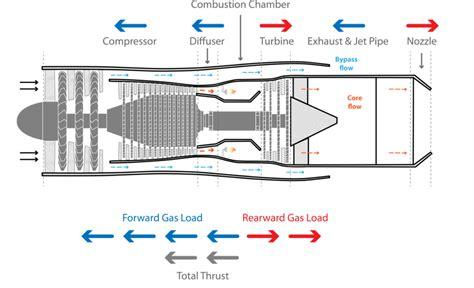
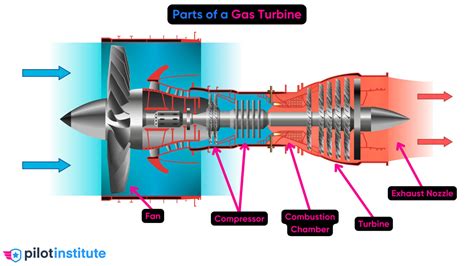
Aircraft engines are remarkable machines designed to move extraordinary volumes of air with extreme precision. A modern turbofan engine on aircraft such as the Boeing 737 or Airbus A320 can ingest several hundred kilograms of air per second, compressing it, mixing it with fuel, and igniting it in a controlled combustion process that produces enormous thrust.
In winter environments, aircraft frequently operate in falling snow, freezing rain, or sub-zero temperatures. Airports such as Minneapolis–Saint Paul International Airport (MSP), Chicago O’Hare International Airport (ORD), and New York John F. Kennedy International Airport (JFK) regularly handle hundreds of departures during active snowstorms.
Despite the harsh conditions, aircraft engines continue to operate reliably. That reliability often leads observers to wonder whether snow entering the engine intake might somehow influence engine performance.
The truth lies in physics rather than folklore.
The Thermodynamics That Sparked the Idea
The concept that snow might increase thrust originates from a simple thermodynamic principle. When water rapidly transitions from liquid to vapor, it expands dramatically in volume. Inside a jet engine combustor, temperatures can exceed 1,500°C (2,732°F). Any water droplets that enter such an environment flash instantly into steam.
Steam occupies far more volume than the liquid water that produced it. That rapid expansion theoretically increases the mass of gas flowing through the turbine section, which could slightly increase the energy available to spin the turbine and generate thrust.
In principle, adding water to the combustion process can influence engine performance. Engineers understood this effect decades ago, and they used it intentionally.
This principle became the foundation for one of the most interesting technological experiments in early commercial aviation.
The Era of Water Injection Systems
During the early jet age of the 1950s and 1960s, commercial aircraft engines were far less powerful and efficient than modern designs. Early turbojet engines struggled to produce sufficient thrust during hot weather takeoffs, when warm air becomes less dense and reduces engine performance.
To solve this problem, aircraft manufacturers introduced water injection systems.
Aircraft like the Boeing 707 and Douglas DC-8 carried large tanks filled with distilled water. During takeoff, the system sprayed this water directly into the engine’s airflow path.
The results were surprisingly effective.
Water injection provided several performance benefits:
- Cooling the compressor inlet air, increasing air density
- Increasing total mass flow through the engine
- Allowing higher fuel flow without exceeding turbine temperature limits
The combined effect was a temporary increase in thrust, often enough to allow aircraft to depart safely from shorter runways or hot-weather airports such as Phoenix Sky Harbor International Airport (PHX) or Miami International Airport (MIA).
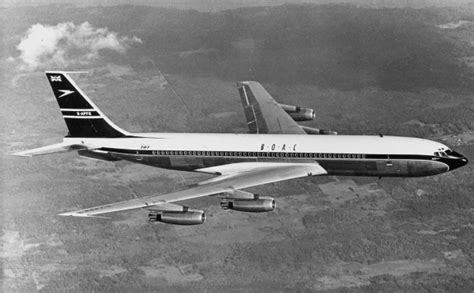
For the crews operating these aircraft, water injection became a familiar part of takeoff procedures. When activated, the engines produced a distinctive plume of white vapor trailing behind the aircraft as the injected water rapidly turned into steam.
However, the system came with several drawbacks. Water injection equipment added weight, required maintenance, and consumed large quantities of purified water. As engine technology improved during the 1970s and 1980s, the need for these systems disappeared.
Modern turbofan engines produce far more thrust without such assistance.
Why Snow Is Not the Same as Water Injection
At first glance, falling snow entering an aircraft engine might seem similar to the deliberate water injection systems used decades ago. After all, snow is simply frozen water. When ingested into a jet engine, it melts and eventually vaporizes.
However, the similarity ends there.
Water injection systems were carefully engineered with precise parameters:
- The exact amount of water was controlled
- The temperature and purity of the water were regulated
- Injection occurred at specific points in the airflow path
Snow entering an engine during a winter departure is completely uncontrolled. The amount varies wildly depending on wind conditions, snowfall intensity, and aircraft movement. Most snowflakes that enter the intake simply melt long before reaching the combustor, blending harmlessly with the intake airflow.
Even when moisture does reach the combustion chamber, the effect is extremely small compared with the total mass of air already flowing through the engine.
How Modern Turbofan Engines Handle Moisture
Modern aircraft engines are designed to operate safely in extreme weather conditions, including heavy rain, sleet, and snow. Certification standards established by authorities such as the Federal Aviation Administration (FAA) require engines to demonstrate stable performance during significant precipitation ingestion.
Engine manufacturers conduct specialized testing where turbofan engines run inside facilities that simulate intense rainfall or snow conditions. These tests verify that engines can ingest large volumes of water without flameout, compressor stall, or mechanical damage.
Engines such as the CFM56, which powers many Boeing 737 aircraft, or the Pratt & Whitney PW1100G used on the Airbus A320neo family, are engineered with sophisticated digital control systems. These Full Authority Digital Engine Control systems (FADEC) continuously monitor variables such as:
- Turbine inlet temperature
- Compressor pressure ratio
- Engine spool speed
- Fuel flow rate
If additional moisture slightly alters airflow characteristics, the engine control system automatically adjusts fuel delivery to maintain safe operating limits.
In practice, that means any potential thrust boost caused by vaporizing snow is neutralized by the engine’s control logic before it becomes noticeable.
The Real Performance Boost in Winter: Cold Air
Many pilots report that aircraft feel particularly powerful during winter departures. Climb rates improve, acceleration feels stronger, and takeoff distances often shorten.
It is tempting to assume that falling snow is responsible. In reality, the true hero is cold air density.
Cold air molecules pack more tightly together than warm air molecules. This increased density means more oxygen enters the engine for every unit of volume, allowing more efficient combustion and greater thrust production.
For example, an aircraft departing Anchorage Ted Stevens International Airport (ANC) on a frigid morning may experience significantly improved performance compared with the same aircraft departing Dallas/Fort Worth International Airport (DFW) during a summer heatwave.

The improvement in thrust during cold weather is therefore caused primarily by thermodynamics of air density, not by snow entering the engine.
Snow may be present during winter operations, but it is largely incidental to the performance improvement.
The Hidden Risks of Snow and Ice Ingestion
While small amounts of snow are harmless, certain forms of ice ingestion can pose serious risks to aircraft engines.
One particularly challenging phenomenon is ice crystal icing at high altitude. In some weather systems, especially near powerful thunderstorms, clouds can contain large concentrations of microscopic ice crystals. These crystals may enter jet engines during cruise flight.
Unlike liquid water droplets, ice crystals sometimes pass through the compressor without melting immediately. They may then melt deeper inside the engine before refreezing on colder internal components, disrupting airflow.
This phenomenon has been linked to several incidents in which aircraft experienced unexpected engine power loss or rollback.
On the ground, snow accumulation in engine inlets can also pose hazards. If snow builds up while an aircraft is parked at the gate, chunks of ice may break loose during engine start and become foreign object debris (FOD) capable of damaging fan blades.
To prevent such problems, ground crews carefully inspect engine inlets and perform de-icing procedures before departure.
Anti-Ice Systems: Protecting Engines in Winter
Aircraft incorporate multiple anti-ice and de-ice systems specifically designed to prevent ice accumulation that could degrade engine performance.
These systems typically route hot bleed air from the engine’s compressor section into critical areas such as:
- Engine inlets
- Fan spinner cones
- Wing leading edges
The heat prevents ice from forming on surfaces where buildup could disrupt airflow.
If snow ingestion were beneficial to engine performance, such systems would hardly be necessary. In reality, they exist precisely because ice accumulation reduces efficiency and can threaten engine stability.
The presence of these systems highlights an important engineering philosophy: winter weather is treated as a risk to manage, not an opportunity to gain extra thrust.
Performance Calculations for Snowy Runways
Winter operations introduce a different challenge that often overshadows engine performance entirely: runway contamination.
Snow and slush on a runway reduce tire friction and increase rolling resistance during takeoff. As a result, pilots must carefully calculate performance parameters before departure.
These calculations typically include factors such as:
- Runway surface contamination levels
- Braking action reports
- Wind conditions
- Aircraft weight
- Required takeoff thrust settings
Airlines like United Airlines, American Airlines, and Alaska Airlines incorporate these factors into detailed performance software that determines safe takeoff speeds and thrust levels.
In snowy conditions, aircraft frequently require higher thrust settings, not lower ones, because runway conditions reduce acceleration efficiency.
So Can Snow Actually Increase Engine Thrust?
From a purely theoretical standpoint, yes. If water enters a jet engine and vaporizes inside the combustion chamber, the resulting steam expansion can increase exhaust mass flow slightly. The historical success of water injection systems on early jetliners demonstrates that controlled water addition can produce measurable thrust gains.
However, translating that principle into everyday airline operations is another matter entirely.
Falling snow during a departure contains tiny and inconsistent quantities of water relative to the enormous airflow moving through a modern turbofan engine. A single CFM56 engine on a Boeing 737 can produce more than 20,000 pounds of thrust, driven by massive airflow rates that dwarf the contribution of a few snowflakes.
Any theoretical thrust increase from melting snow is therefore microscopic and operationally irrelevant.
More importantly, modern engine control systems are specifically designed to maintain stable performance regardless of environmental conditions. If moisture ingestion alters combustion dynamics, the engine automatically adjusts fuel flow to maintain safe operating limits.
In other words, the engine refuses to exploit the situation.
The Real Lesson from the Snow-Thrust Myth
The idea that snow might boost engine thrust persists because it contains a grain of truth rooted in aviation history and thermodynamics. Water injection systems once played a genuine role in improving aircraft takeoff performance, and the physics behind them remains valid.
But the aviation world has moved far beyond those early experiments.
Modern turbofan engines rely on advanced materials, high compression ratios, and sophisticated digital control systems to produce enormous thrust without the need for water injection or environmental assistance.
Snow falling into an engine intake may briefly melt and vaporize, but its effect is insignificant compared with the immense scale of airflow inside the engine.
The real performance advantage during winter operations comes from cold, dense air, which allows engines to burn fuel more efficiently and produce greater thrust.
So while snow may swirl dramatically around a departing aircraft, the engines powering that takeoff owe their strength not to frozen precipitation, but to careful engineering and the unforgiving elegance of thermodynamics.