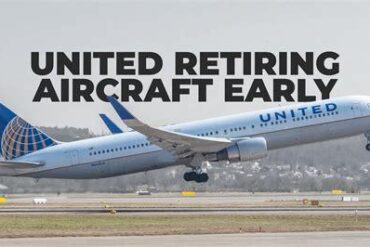
The retirement of a commercial aircraft is rarely a sentimental farewell to a flying icon. Instead, it is a precise, data-driven decision rooted in economics, engineering realities, and strategic foresight. Each year, hundreds of aircraft quietly exit global fleets—not because they can no longer fly, but because they no longer make financial sense to operate.
In 2024 alone, over 1,300 new aircraft entered service worldwide, yet only about half contributed to fleet expansion. The rest replaced aging jets, underscoring a critical truth: modern aviation is a constant cycle of renewal, where efficiency and profitability dictate survival.
While conventional wisdom suggests aircraft retire at a fixed age—typically 25 to 30 years for passenger jets—the reality is far more nuanced. Airlines weigh a complex interplay of cost structures, operational efficiency, maintenance demands, and market conditions before deciding whether to extend an aircraft’s life or send it into retirement.
The Core Equation: Profitability Over Age
At the heart of every retirement decision lies a simple but unforgiving equation: does the aircraft still generate profit? If operating costs begin to exceed revenue potential, retirement becomes inevitable—regardless of the aircraft’s age or technical condition.
This financial threshold varies widely between airlines. A jet that remains profitable for one carrier may become a liability for another, depending on factors such as route structure, labor costs, and fleet strategy. For example, low-cost carriers operating high-frequency short-haul routes may retire aircraft earlier due to higher cycle wear, while full-service airlines might extend lifespan through premium cabin upgrades and optimized utilization.
The idea that aircraft retire purely because they are “old” is misleading. In reality, many jets are retired well before reaching their structural limits, simply because they are no longer competitive in a market that rewards efficiency above all else.
Aircraft Ownership and Residual Value Strategy
The financial structure behind an aircraft plays a decisive role in its lifespan. Jets that are fully paid off often enjoy extended service, as they no longer carry monthly lease or financing burdens. In such cases, even moderately high maintenance costs can be justified because the capital cost has effectively dropped to zero.
Conversely, aircraft still under financing or lease agreements present a different challenge. Retiring them early may trigger significant financial write-downs, making airlines more inclined to keep them flying longer—provided they remain operationally viable.
Residual value also shapes retirement timing. Aircraft with strong resale demand may be retired earlier to maximize return through sale or lease transfer, while less desirable models may be kept longer simply because secondary market opportunities are limited.
Maintenance Costs and the Tipping Point of Viability
As aircraft age, maintenance transitions from routine to intensive. Components require more frequent inspection, replacement cycles shorten, and unexpected technical issues become more common. Over time, these factors converge into a critical threshold where maintenance costs escalate sharply.
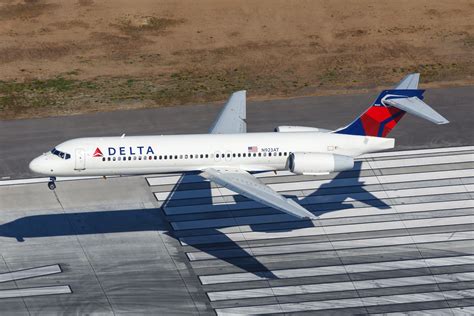
The most decisive moment often arrives with the D check, the heaviest and most comprehensive maintenance event in aviation. Conducted every six to ten years, this process involves complete disassembly and inspection of the aircraft, often costing millions of dollars and grounding the jet for weeks.
At this juncture, airlines face a pivotal choice: invest heavily to extend the aircraft’s life or retire it altogether. If projected future earnings cannot justify the D check expense, the aircraft is withdrawn from service.
Airlines with strong in-house maintenance capabilities can push this boundary further. Advanced engineering divisions allow some carriers to operate older fleets efficiently, extracting additional value from aircraft that others might retire earlier.
Fuel Efficiency and the Rise of Next-Generation Aircraft
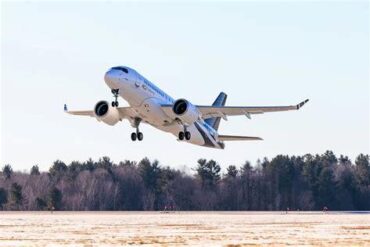
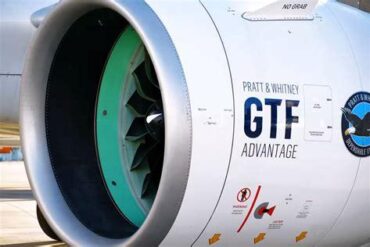
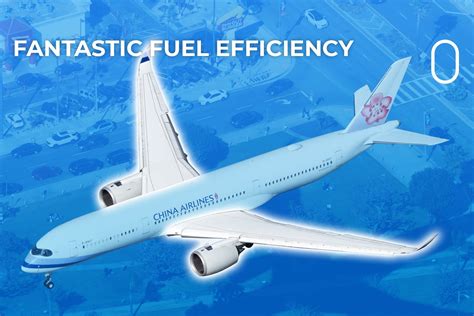
Fuel represents one of the largest operating expenses for any airline, making efficiency a critical determinant of fleet decisions. New-generation aircraft deliver double-digit improvements in fuel burn, dramatically altering the economics of older models.
This shift has led to the rapid retirement of four-engine aircraft such as legacy long-haul jets, which consume significantly more fuel than their modern twin-engine counterparts. In a competitive market, operating less efficient aircraft creates a structural disadvantage that compounds over time.
The impact of fuel efficiency becomes even more pronounced during periods of high oil prices. Airlines are forced to reassess their fleets quickly, often accelerating retirement timelines to avoid mounting operational losses.
Hidden Costs: Interiors, Upgrades, and Passenger Expectations
Beyond engines and airframes, the passenger experience plays an increasingly important role in fleet decisions. Cabin interiors, in-flight entertainment systems, and seating configurations must meet evolving customer expectations.
Upgrading an aging aircraft can cost millions per unit, especially when installing new cabins or connectivity systems. Airlines must evaluate whether such investments will generate sufficient returns or whether it is more prudent to retire the aircraft and deploy newer models.
In some cases, airlines choose refurbishment to extend fleet life, particularly when replacement aircraft are unavailable. However, this approach is often a temporary solution, buying time rather than fundamentally altering the retirement trajectory.
Fleet Strategy, Network Needs, and Operational Flexibility
Airlines do not operate aircraft in isolation; each jet is part of a broader network strategy. Retirement decisions must align with route demand, capacity requirements, and fleet uniformity.
Carriers with highly standardized fleets benefit from economies of scale, allowing them to operate older aircraft longer due to simplified maintenance, training, and spare parts logistics. This is particularly evident in airlines that rely heavily on a single aircraft family.
Network requirements can also delay retirement. Even marginally profitable aircraft may remain in service if they are essential to maintaining route coverage, especially in markets where capacity cannot be easily replaced.
Conversely, strategic shifts—such as moving toward larger aircraft—can accelerate retirements. Airlines seeking to increase capacity and reduce per-seat costs may phase out smaller jets earlier than planned.
Supply Chain Constraints and Manufacturer Backlogs
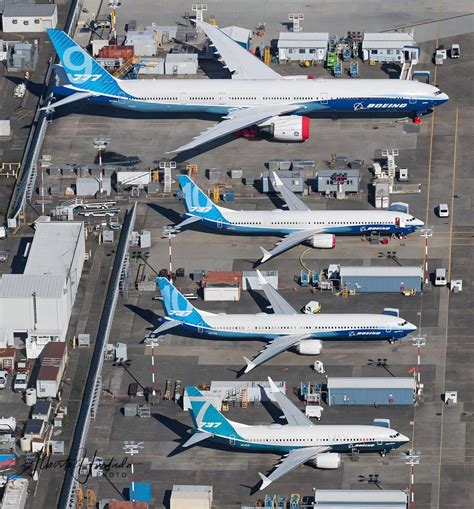
In an ideal scenario, airlines would seamlessly replace aging aircraft with new deliveries. However, the reality is often constrained by manufacturer backlogs and production delays.
Aircraft orders can take years to fulfill, and unexpected disruptions—ranging from technical issues to regulatory scrutiny—can extend timelines further. As a result, airlines frequently find themselves holding onto older aircraft longer than planned, even when they are no longer optimal.
This dynamic has become increasingly common in recent years, as demand for new aircraft outpaces supply. The inability to secure timely replacements forces airlines to make difficult decisions, balancing operational efficiency against fleet availability.
Macroeconomic Shocks That Rewrite the Rulebook
While fleet planning is typically methodical, external shocks can instantly upend long-term strategies. Economic downturns, geopolitical events, and global crises have historically triggered mass aircraft retirements.
The aftermath of major disruptions often forces airlines to reduce capacity rapidly, leading to the early retirement of entire aircraft types. In such scenarios, the usual economic calculations are replaced by urgent cost-cutting measures and liquidity preservation.
The COVID-19 pandemic stands as the most dramatic example in modern aviation history. Airlines worldwide grounded fleets and retired aircraft at unprecedented rates, fundamentally reshaping the global fleet landscape in a matter of months.
What Happens After Retirement: Second Life or Final Destination
Retirement does not always mark the end of an aircraft’s journey. Many jets transition into new roles, extending their usefulness beyond passenger service.
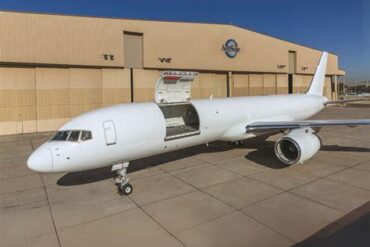
Younger retired aircraft often find second lives with other airlines, particularly in emerging markets where acquisition costs are a primary concern. Others are converted into freighters, capitalizing on the growing demand for air cargo capacity. Passenger-to-freighter conversions have surged in recent years, transforming aging jets into valuable logistics assets.
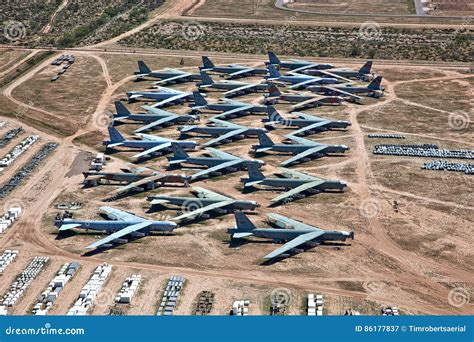
For aircraft that have reached the end of their economic and operational viability, dismantling becomes the final chapter. Specialized facilities strip aircraft for reusable parts, with a significant portion of materials recycled, reflecting the industry’s increasing focus on sustainability.
The Strategic Balance Between Efficiency and Opportunity
Aircraft retirement is not a rigid milestone but a strategic balancing act. Airlines continuously evaluate whether each aircraft contributes positively to their financial and operational objectives.
A jet may remain in service well beyond its expected lifespan if conditions favor it, or it may be retired prematurely due to external pressures. The decision is rarely straightforward, shaped by a combination of economic logic, market dynamics, and long-term vision.
In an industry defined by thin margins and intense competition, the ability to make the right retirement decision at the right time can determine an airline’s success. Every aircraft in the fleet represents both an opportunity and a cost—and knowing when to let go is as critical as knowing when to invest.
Ultimately, the skies are not just governed by physics, but by economics. And in that equation, retirement is not an ending—it is a calculated move toward greater efficiency, resilience, and future growth.