On September 24, 2025, aboard British Airways Flight BA0194 from Houston to London, a Business Class passenger seated in 9F encountered a moment that starkly exposed the power of perception, prejudice, and protocol failure. Despite having paid nearly $5,000 for the seat, the passenger—who identifies as the only Black individual in the row—was bypassed during the pre-flight welcome drink service. The flight attendant’s justification? “Oh, I thought you had been upgraded.”
What might appear, on the surface, to be a minor oversight involving a glass of champagne, unraveled into a deeply revealing incident that sparked intense conversations around racial bias, unconscious assumptions, and airline service equity. The passenger later filed a formal complaint and challenged the airline publicly, demanding systemic changes, not just an apology.
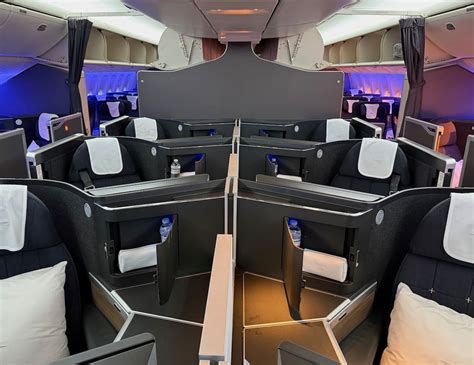
The Incident: A Welcome Drink Withheld
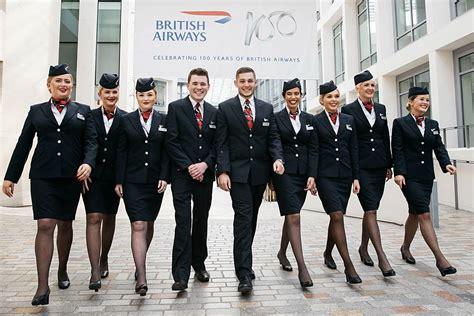
British Airways is renowned for its luxury cabins, premium lounges, and meticulously tiered customer experiences. Among these, the Business Class (Club World) welcome is practically ritualistic—an immediate offer of champagne or juice, a warm greeting, and visible acknowledgment of status and comfort. The absence of that moment sets a very different tone.
As the cabin crew moved down the aisle offering drinks to every other passenger in the row, the omission was jarring. The person seated directly in front received a drink, as did the person directly behind. But the passenger in seat 9F was skipped. When queried, the flight attendant offered the explanation that they assumed the passenger had been upgraded. That assumption, unprovoked and unconfirmed, became the crux of the issue.
The passenger noted several critical facts:
- They were the only Black individual in that section.
- The attendant had no access to fare class information at the point of service.
- Even if the passenger had been upgraded, protocol requires all passengers in Business to receive the same service.
Emotional Impact: More Than a Missed Beverage
The emotional toll of the event cannot be overstated. The passenger described feeling “small, humiliated, and angry,” not because of the drink itself, but because of what it symbolized: a visible, public judgment of not belonging. For a paying customer in a premium seat, this was not only inappropriate—it was a breach of trust.
“If you can charge $5,000 for a seat, you can train your staff to treat every passenger with dignity,” the complaint read. The call to action wasn’t about personal restitution but about structural change and accountability.
Industry Protocols: No Distinction Between Upgrades and Paid Seats
The story quickly gained traction online, particularly on Reddit and Twitter, where frequent flyers, aviation professionals, and former airline employees weighed in. A consensus emerged: whether a passenger paid in full, redeemed points, or was upgraded due to operational reshuffling, Business Class service is supposed to be identical.
Numerous contributors confirmed:
- On airlines such as Cathay Pacific, even unexpected upgrades come with full amenities, from drinks to name recognition.
- Some mainland Chinese carriers may serve economy-class meals to upgradees, but never skip welcome drinks.
- Airlines like Air France may run short on meals, but champagne flows regardless.
The practice of differentiating based on how one obtained the seat is not only against global best practices, but also British Airways’ own policy, according to internal consultants who commented on the case.
Testimonies and Parallel Incidents
In the Reddit thread, multiple passengers shared eerily similar experiences—being ignored, rushed, or denied full service, often based on appearances or racial background. One woman recounted being told to return to the economy queue despite holding a First Class ticket. Another South Asian man was questioned about entering the Business Class cabin, only to be dismissed coldly after showing his ticket.
A recurring theme emerged: assumptions based on race, attire, or perceived socioeconomic status. These stories pointed to an undercurrent of unspoken bias that still exists across major carriers, even those priding themselves on diversity.
Escalation Strategies: Going Beyond Customer Service
Seasoned travelers and industry insiders offered practical suggestions for escalation:
- File a detailed complaint, including the flight number, date, seat, and crew behavior.
- Email the CEO directly—in British Airways’ case, Sean Doyle—whose contact is known to redirect urgent matters to executive support teams.
- Leverage social media platforms, particularly Twitter/X, to bring public visibility. Airlines tend to react swiftly to avoid reputational damage.
- Consider UK small claims court proceedings, especially in cases involving emotional distress and clear financial proof (e.g., full fare invoice). Legal precedents exist for compensation in the realm of £750–£5,000.
The Skeptics and Their Counterpoints
Despite the overwhelming support, a segment of users voiced skepticism, accusing the poster of fabricating a rage-bait story. Their arguments leaned on:
- Seat number discrepancies (e.g., questioning whether 9F exists on that aircraft layout).
- Claims that BA staff wouldn’t discriminate based on such limited interaction.
- Assertions that the post matched similar viral stories from other platforms.
However, these claims were often refuted by long-time flyers who had encountered subtle and overt bias firsthand. Additionally, a key counterpoint emerged: intentional discrimination doesn’t always look dramatic—it often hides in subtle gestures, or in this case, omissions.
The Broader Implication: Representation in Premium Spaces
This event underscores a wider issue: representation in premium spaces often triggers subconscious gatekeeping. Business and First Class are not merely seats—they are symbols of status and entitlement. When someone doesn’t fit the stereotype, some crew or fellow passengers react by questioning their legitimacy.
As newer generations diversify the Business Class cabins, airlines must be proactive. That includes:
- Robust unconscious bias training.
- Clear penalties for discriminatory conduct.
- Regular audits of in-flight service quality.
- Anonymous crew evaluations post-flight.
A Public Relations Opportunity Missed or Embraced?
British Airways has not released a detailed public statement as of this writing, but the brand now faces a crossroads. How the airline addresses this complaint—transparently or defensively—will determine whether this moment becomes a case study in failure or a benchmark in policy reform.
In similar past incidents, airlines that proactively acknowledged wrongdoing, published their corrective steps, and engaged communities directly have emerged with renewed trust. On the other hand, those that defaulted to legalistic denial lost public faith and market loyalty.
The Price of Inclusion: Not Just a Seat, But an Experience
Ultimately, this is not just about a missed drink. It’s about the message sent when service is unevenly delivered in spaces that cost a premium to enter. A $5,000 ticket carries not just the expectation of luxury, but also the guarantee of equal treatment.
The aviation industry, already under scrutiny for emissions and labor issues, cannot afford the added stain of discriminatory service. As passengers become more vocal and connected, airlines must recognize that every crew interaction is a public-facing brand moment.
For the passenger in seat 9F, dignity was denied before the wheels even left the tarmac. Whether British Airways listens, learns, and acts will define not just their brand image—but their role in shaping inclusive skies.