In the wake of the COVID-19 pandemic, American Airlines is experiencing a seismic demographic shift in its passenger base. With more than 55% of its customers now belonging to Generation Z and Millennials, the carrier is adapting its strategy to meet the unique preferences and expectations of these younger, tech-savvy, experience-driven travelers.
The Rising Influence of Gen Z and Millennials in Air Travel
This new majority represents more than just a statistical milestone—it reflects a broader transformation in the travel behaviors of younger generations. The airline confirmed this generational pivot during an episode of its official podcast, “Tell Me Why,” featuring Heather Garboden, Chief Customer Officer, and Ron DeFeo, Chief Communications Officer. Garboden’s comment—“More than 55% of our customers are millennials or younger”—is more than just an observation. It’s a call to action.
American Airlines is now aligning its operational and marketing strategies to serve the evolving priorities of young travelers, who not only travel more frequently but also tend to spend more per trip, particularly in premium cabins. This includes targeted investments in technology, onboard service, and loyalty offerings.
Experience Over Expense: The New Travel Mantra
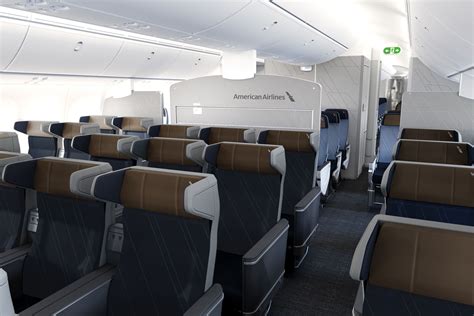
The generational shift comes with a distinct change in values. Young travelers today prioritize experiences over cost savings, and they are reshaping what it means to fly in comfort. This new wave of passengers doesn’t merely seek transportation; they expect seamless digital experiences, personalized service, and the opportunity to capture share-worthy moments.
To meet these expectations, American Airlines is:
- Launching redesigned mobile applications for smoother booking and travel management.
- Expanding Admirals Club lounges, catering to comfort and aesthetic appeal.
- Offering complimentary Wi-Fi to AAdvantage loyalty members across its fleet—crucial for a generation always connected.
These enhancements are not simply cosmetic; they are essential to staying relevant in a market where brand loyalty is volatile, and users will switch for better value, better experience, or better social currency.
Why These Generations Matter More Than Ever
Millennials and Generation Z are driving change not just in air travel but across all sectors of hospitality. Their values are nuanced, diverse, and often surprising. For example:
- Generation Z (born between 1997 and 2012) deeply values sustainability and social impact. Over 60% seek out eco-friendly airlines, and many prefer carbon-neutral travel options even if they cost more.
- Millennials (born between 1981 and 1996) lean toward luxurious, wellness-driven travel, valuing spa treatments, high-end accommodations, and indulgent getaways that blend business with leisure (often referred to as “bleisure” travel).
This difference in preferences compels American Airlines to adopt a dual strategy. While one group seeks value and ethical responsibility, the other demands comfort and curated itineraries. Striking the right balance between these sometimes contrasting values is what will separate successful carriers from stagnant ones.
The Tech Imperative: Digital Is Not Optional
One of the starkest contrasts between younger and older generations lies in technology expectations. For Gen Z and Millennials, a frustrating app experience or lack of real-time information can be a deal-breaker. Recognizing this, American Airlines has doubled down on:
- Enhancing its mobile platform with more intuitive design and faster load times.
- Implementing real-time push notifications for gate changes, boarding, and upgrades.
- Integrating biometric check-ins and digital IDs, which simplify security and boarding processes.
For these generations, technology isn’t a bonus—it’s the baseline.
Redefining Loyalty for the Young Traveler
Traditional frequent flyer programs are losing traction among Gen Z and Millennials. According to industry reports, while roughly 65-70% of young travelers enroll in loyalty programs, their brand allegiance is weak. They’re quick to jump ship if a better deal, more flexible reward, or more exciting experience is available.
To address this, American Airlines is reevaluating its AAdvantage program, with a focus on:
- Experience-based rewards such as culinary classes, immersive tours, and wellness retreats.
- Micro-rewards for short-haul flights and brand engagement on social media.
- Customizable benefits that reflect the travel goals and lifestyles of the member.
These strategies are designed not just to retain passengers but to foster long-term relationships with an audience that prefers memories over miles.
Destination Diversification: Beyond the Obvious
Another tactic being pursued is the reconfiguration of route networks to favor non-traditional and secondary cities that appeal to younger adventurers. Case in point: the airline’s newly announced nonstop service from Chicago O’Hare to Naples, Italy—a less saturated but highly aesthetic and culturally rich European destination.
This strategy mirrors efforts by competitors such as United Airlines, which has also expanded into lesser-known destinations to capture young globetrotters seeking authenticity and uniqueness.
This movement away from mainstream tourist circuits is fueled by social media, where sharing “undiscovered gems” often earns more clout than the Eiffel Tower or Times Square.
The Myth of the Budget-Conscious Youth
Contrary to past assumptions, younger travelers today are not necessarily stingy. A recent report by OAG found that 27% of Gen Z and Millennial travelers in North America would pay up to $100 more for a legacy carrier over a low-cost option.
This is because value now encompasses trust, safety, and service quality, rather than just the lowest ticket price. In Asia and other markets, similar trends are evident, with younger travelers emphasizing reliability and environmental responsibility over bargain fares.
The Future: Sky-High Expectations
As this generational transformation continues, American Airlines will have to outpace competitors not just in price, but in philosophy. The key pillars of this transformation include:
- Authenticity: Experiences that go beyond typical travel clichés.
- Customization: Personalized journey planning and reward flexibility.
- Connectivity: Real-time updates, inflight Wi-Fi, and mobile-based support.
- Sustainability: Clear, measurable steps to reduce environmental impact.
Conclusion: Not Just a Trend, But a Tectonic Shift
The fact that over half of American Airlines’ passengers are now Millennials or Gen Z is not a blip on the radar—it is a redefining moment for the airline industry. These generations are not only traveling more, but they are also dictating how airlines must evolve—from digital services and flight destinations to cabin design and loyalty engagement.
American Airlines’ forward-looking approach is showing promise. Whether it’s by providing Wi-Fi for all, reinventing the AAdvantage loyalty experience, or launching flights to the next Instagrammable hotspot, the carrier understands one thing clearly: the future is here, and it belongs to the young.
As the skies continue to open post-pandemic, airlines that can align themselves with the desires of these generations will gain the ultimate advantage—not just in market share, but in long-term brand relevance.