The Truth Behind Air Marshals in the Skies
The concept of air marshals, also known as sky marshals, evokes a strong image of hidden defenders safeguarding modern air travel. These undercover federal agents are trained to detect, deter, and neutralize threats on commercial flights. But despite their presence in public imagination, the reality is far more limited and strategically calculated.
In the United States, less than 5% of commercial flights are accompanied by an air marshal. This statistic is startling considering the scale of the aviation network, with over 44,000 daily flights crisscrossing American skies. The Federal Air Marshal Service (FAMS) prioritizes high-risk routes, making it impossible to provide coverage for every single flight.
The Role of the Federal Air Marshal Service (FAMS)
Established in response to increasing threats of terrorism, especially after the September 11, 2001 attacks, FAMS became a critical line of defense in U.S. aviation security. These agents are not just placed randomly. Instead, flights are selected based on complex risk assessment models that consider:
-
Departure and arrival cities
-
Flight duration and aircraft model
-
Current global threat levels
-
Passenger manifests and onboard fuel load
The goal is to maximize deterrence with minimal visibility. This unpredictability ensures that potential attackers cannot determine which flights have air marshals.
What Air Marshals Actually Do Onboard
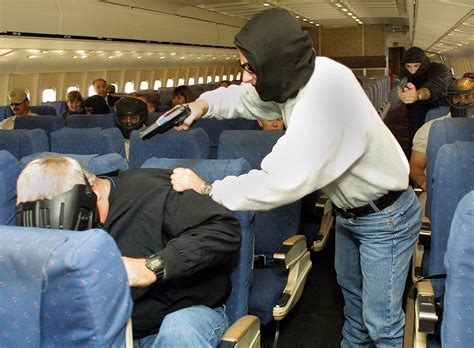
Air marshals blend in with passengers, typically sitting in the cabin wearing plain clothes. They are trained in behavioral detection, close-quarters combat, and firearms use. Their main objectives include:
-
Observing suspicious behaviors
-
Disrupting hijack attempts
-
Responding to unruly or violent passengers
-
Coordinating with flight crews during emergencies
These agents also maintain federal arrest authority, allowing them to act beyond the skies if a suspect needs to be detained on the ground.
Selection and Training: Becoming an Air Marshal
Joining FAMS is a rigorous journey. U.S. citizens aged 21 to 36 may apply, but the selection process includes:
-
Comprehensive background checks
-
Physical and medical evaluations
-
Panel interviews
-
Polygraph tests
-
Months of specialized training in firearm handling, aviation operations, and threat mitigation
Once certified, an air marshal becomes part of an elite security network. However, their jurisdiction is limited to U.S. territory, which means their utility is bound to U.S. flagged flights or territory.
How Many Air Marshals Are on a Flight?
On domestic U.S. flights, typically only one or two air marshals are deployed. On international flights, particularly on high-risk routes, that number may increase to four. These figures are, however, classified, and intentionally undisclosed to protect operational integrity.
The number is determined by the threat potential of a route. For instance, flights to volatile regions or during heightened security periods may warrant greater personnel. But in most cases, passengers fly without any visible or known law enforcement presence.
Coordination with Flight Crews
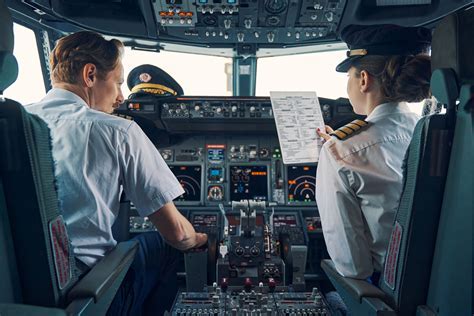
Flight attendants and cockpit crew are always informed if there is an air marshal on board. Airlines assign specific seats for armed agents and may reserve two empty seats on each flight to accommodate last-minute additions.
Identification and clearance are checked prior to boarding. Despite this coordination, the undercover identity of the air marshal is preserved at all times to avoid compromising the mission.
A Global View: Which Countries Use Air Marshals?
Air marshals are not unique to the United States. Several countries have established similar programs, including:
-
Canada
-
United Kingdom
-
Australia
-
India
-
Pakistan
-
Singapore
-
Austria
-
Ireland
Each country adapts its security model based on national threat assessments and available resources. One notable exception is Israel, whose national airline El Al is globally recognized for having an air marshal on every flight. This practice reflects the heightened geopolitical tensions surrounding Israeli aviation.

Cyber Threats: A New Frontier in Aviation Risk
Today’s air threats are no longer limited to physical hijackings. Cybersecurity vulnerabilities have become a significant concern. Major U.S. airports and international airlines have faced cyberattacks aimed at disrupting operations.
In one alarming case, hackers attempted to reroute an El Al flight, though the attempt failed. As a response, the Transportation Security Administration (TSA) introduced new cybersecurity protocols in 2023. These initiatives aim to protect:
-
Air traffic systems
-
Aircraft navigation software
-
Ground control infrastructure
The combination of aging aviation infrastructure and sophisticated cybercriminal networks necessitates robust, multi-layered defense strategies.
The Role of Federal Flight Deck Officers (FFDOs)
Post-9/11 reforms also gave birth to the Federal Flight Deck Officer Program, empowering commercial pilots to carry firearms onboard. These officers act as a last line of defense, particularly on flights without an air marshal.
To date, no FFDO has fired a weapon in an active threat situation. However, in 2008, an accidental discharge resulted in a bullet piercing the aircraft fuselage. While the flight landed safely, the incident underscores the delicate balance between safety and security.
FFDOs undergo specialized training, separate from air marshals, and their identities are kept confidential. They function under tight regulations and often fly without passengers ever knowing of their armed presence.
The Broader Security Ecosystem in Aviation
Relying solely on air marshals is not practical given the scale of global air traffic. Hence, the aviation security ecosystem integrates several elements:
-
Locked cockpit doors (mandated by law)
-
Advanced passenger screening protocols
-
Behavioral detection officers at airports
-
Enhanced TSA checkpoint technology
-
Cyber threat intelligence centers
Each layer compensates for the sparse deployment of air marshals, creating a comprehensive safety net that covers both known and emerging threats.
Conclusion: A Hidden Force, Strategically Deployed
While air marshals may not be aboard every flight, their strategic deployment plays a vital role in modern air travel. Their stealth, training, and authority provide a crucial buffer against airborne threats. Combined with programs like FFDO and modern cybersecurity mandates, they form part of a sophisticated, layered defense system ensuring that aviation remains one of the safest modes of transportation in the world.
FAQs
How can you tell if there’s an air marshal on your flight?
You cannot. Air marshals operate covertly and are trained to appear like regular passengers. Their identities are known only to the flight crew and airport security.
Why doesn’t every flight have an air marshal?
Due to resource limitations and cost, it is not feasible to staff every commercial flight. Instead, air marshals are assigned to routes based on security risk levels.
Do other countries have the same air marshal policies as the U.S.?
No. Each country designs its air security policy based on its threat perception and infrastructure. While the U.S. uses selective deployment, Israel’s El Al mandates air marshals on every flight.