Understanding the Role of an Air Marshal
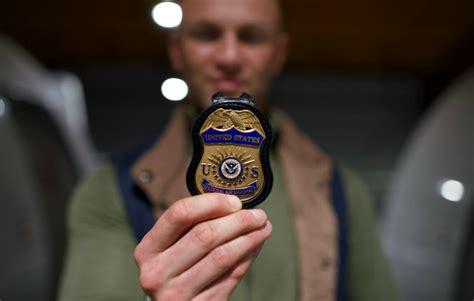
Air marshals, also known as federal air marshals or sky marshals, are elite federal law enforcement officers assigned to safeguard commercial flights. Following the September 11, 2001 terrorist attacks, the Transportation Security Administration (TSA) under the Department of Homeland Security (DHS) expanded this specialized force to ensure the security of the U.S. aviation system.
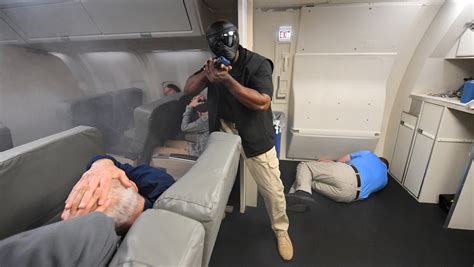
Federal air marshals operate undercover, carrying concealed firearms and identifying potential threats onboard flights. They are trained to respond instantly to threats such as hijackings, terrorism, or any violent disruptions aboard aircraft. Given the high-risk nature of this occupation, air marshals must demonstrate exceptional discipline, tactical skill, and emotional control under pressure.
Key Responsibilities of a Federal Air Marshal
The daily operations of an air marshal are largely covert. They blend in with passengers, while performing detailed surveillance and behavior analysis. Their duties include:
-
Monitoring flights for suspicious activity
-
Investigating perceived threats or behavioral anomalies
-
Collaborating with local and federal law enforcement agencies
-
Detaining or neutralizing threats mid-flight
-
Assisting in post-flight incident investigations
According to the TSA, a typical air marshal spends over 900 hours per year in flight, the equivalent of five hours per day across 181 workdays annually.
Eligibility Requirements for Becoming an Air Marshal
To be considered for a role in the Federal Air Marshal Service (FAMS), candidates must satisfy stringent eligibility criteria. The basic requirements include:
-
U.S. citizenship
-
Age between 21 and 36 at the time of application
-
Possession of a valid driver’s license
-
Excellent physical health and vision
Educationally, a bachelor’s degree is the standard requirement unless the applicant possesses three years of qualifying experience in administrative, investigative, or professional roles. Alternatively, a combination of education and experience may be accepted.
Application and Recruitment Process
Aspiring air marshals begin their journey by applying through USAJOBS, the federal government’s job portal. The multi-phase hiring process is rigorous and designed to filter out all but the most qualified individuals. The steps include:
-
Submission of application and resume via USAJOBS
-
Initial screening and qualifications verification
-
Multiple interview rounds and assessments
-
Background investigation and fingerprinting
-
Drug screening and medical examination
-
Psychological and physical fitness evaluations
Only after passing these stages are applicants considered for training.
Training: Preparing for the Real World
Once selected, candidates must complete an intensive 16-week training program, divided into two phases:
Phase I – FAMSTP-I (New Mexico)
Training begins at the Federal Law Enforcement Training Center (FLETC) in Artesia, New Mexico. Over 36 days, candidates receive instruction in:
-
Federal and international aviation law
-
Firearm proficiency and marksmanship
-
Close quarters combat (CQC)
-
Tactical behavioral analysis
-
Aircraft security protocols
-
Medical emergencies onboard
Phase II – FAMSTP-II (New Jersey)
Candidates who pass Phase I proceed to Atlantic City, New Jersey, for the 43-day advanced training program. Here, they train in:
-
Advanced firearms training (over 5,500 rounds fired)
-
Anti-terror tactics in confined aircraft environments
-
Legal arrest procedures in-flight
-
Simulated crisis scenarios with actor-based drills

Essential Skills and Background Experience
While there is no single path to becoming an air marshal, individuals with a background in law enforcement, military service, or intelligence operations have a distinct advantage. The following traits and competencies are invaluable:
-
Exceptional situational awareness
-
Advanced marksmanship skills
-
Physical endurance and agility
-
Independent decision-making
-
Ability to remain calm in high-pressure environments
Soft skills such as interpersonal intelligence, critical thinking, and discretion are also crucial, as air marshals operate solo and must stay inconspicuous at all times.
Career Progression and Opportunities
Federal air marshals have access to a clear promotion ladder, with the potential to ascend into supervisory or management positions. Seasoned air marshals may also transition to roles in:
-
FBI’s Joint Terrorism Task Force (JTTF)
-
National Counterterrorism Center (NCTC)
-
National Targeting Center (NTC)
These interagency positions allow experienced marshals to utilize their specialized knowledge in broader counterterrorism strategies.
Salary, Compensation, and Benefits
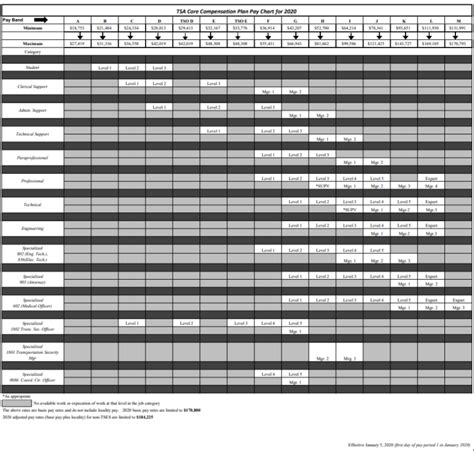
Unlike most federal positions that follow the General Schedule (GS) pay scale, the TSA has a distinct salary structure based on Pay Bands A through M. An air marshal’s initial compensation depends on prior experience and educational qualifications. Career advancement directly influences salary progression.
Federal air marshals receive comprehensive federal employee benefits, including:
-
Life and health insurance
-
Dental and vision coverage
-
Paid annual leave and federal holidays
-
Thrift Savings Plan (TSP) retirement contributions
-
Law enforcement-specific pension plans
Challenges and Working Conditions
This profession is not for the faint of heart. Air marshals endure long hours, frequent travel, and significant psychological pressure. Remaining alert throughout flights while avoiding detection by passengers requires intense mental discipline.
Moreover, air marshals must be prepared to face life-threatening situations with little to no backup support. Their mission—to neutralize any threat without disturbing the flight—is inherently complex and dangerous.
Why the Role Remains Critically Important
As long as aviation remains a target for global terrorism, the role of the air marshal will be critical to national security infrastructure. Their mere presence aboard flights acts as a deterrent, and their capacity to neutralize threats provides a last line of defense.
The post-9/11 aviation environment has redefined what it means to protect the skies. Air marshals stand as the invisible guardians of this domain, a role that combines law enforcement, tactical defense, and intelligence.
Frequently Asked Questions (FAQs)
What is the age limit to become a federal air marshal?
Candidates must be between 21 and 36 years old at the time of application. Waivers are rarely granted, and age restrictions are enforced to ensure candidates can meet the physical demands of the role.
Do air marshals always travel on commercial flights?
Yes. Air marshals travel undercover on domestic and international commercial flights, working independently to monitor for and neutralize potential security threats.
Is it mandatory to have a criminal justice degree?
A bachelor’s degree is recommended but not strictly required if candidates possess at least three years of qualifying work experience or a combination of education and experience relevant to law enforcement or investigative work.